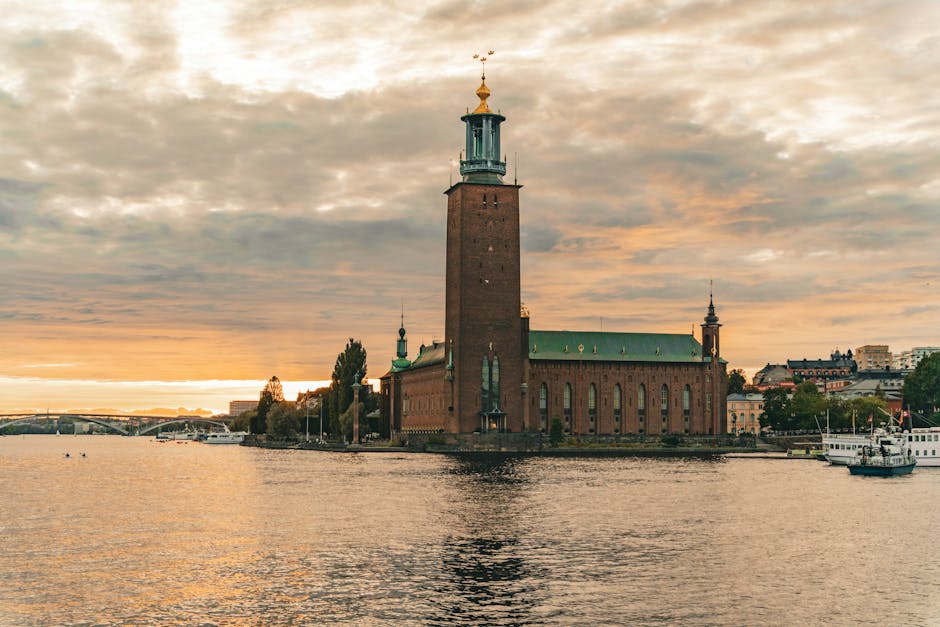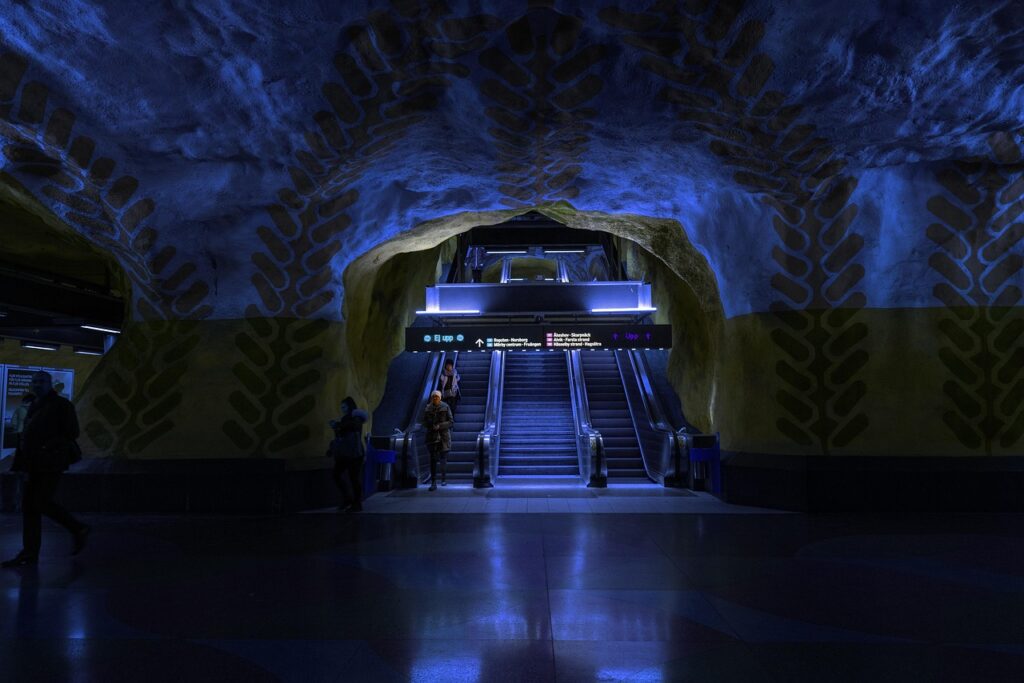






Introduction — Stockholm, a museum capital between archipelago and history
Stockholm is a city shaped by water, northern light and a rich history that’s written across its museums. Between islands and historic neighborhoods, the Swedish capital concentrates collections covering art, design, maritime history, contemporary photography, popular culture and folk heritage. This quick guide gives you a practical, structured and immersive tour of Stockholm’s most iconic museums, with exact addresses, sample prices in euros, typical opening hours, detailed descriptions and local tips to make the most of your visit.
Whether you’re a naval history buff fascinated by 17th-century ships, a music fan curious about the global impact of a Swedish pop group, a modern art enthusiast, or a visitor wanting to understand traditional Swedish life, Stockholm has a museum for you. The city’s compact layout and excellent public transport make it feasible to visit several sites in one day, but each institution deserves time to be fully appreciated. This guide focuses on practicality: how to get there, when to visit, how much entry costs, must-see highlights, and a few tips to avoid queues and enrich your experience.
The museums featured are a mix of major international institutions and unique local experiences. Each has a strong identity: the Vasa Museum (Vasamuseet) houses the nearly intact wreck of a 17th-century warship, while Moderna Museet displays masterpieces of modern and contemporary art. Fotografiska is a lively hub for contemporary photography with a terrace offering spectacular city views; Skansen blends a zoo and open-air museum to immerse you in traditional Swedish life; Nationalmuseum preserves paintings and decorative arts from the Renaissance to the present day; and ABBA The Museum celebrates Swedish pop culture in a playful, interactive way. For each venue you’ll find up-to-date practical information and local advice — for example which tickets to buy in advance, best times of day to visit, or which temporary shows are worth prioritizing.
This guide also includes image markers (7 to 12) intended to illustrate visual impressions: facades, emblematic objects, panoramic views and scenes from visits. The suggested English keywords for these images are concrete and useful for travel storytelling or a travel journal. Finally, the approach is visitor-focused: immersive descriptions of collections, historical anecdotes, nearby dining recommendations and practical advice on tickets and opening hours. Now step into the heart of Stockholm’s museum scene, island by island.
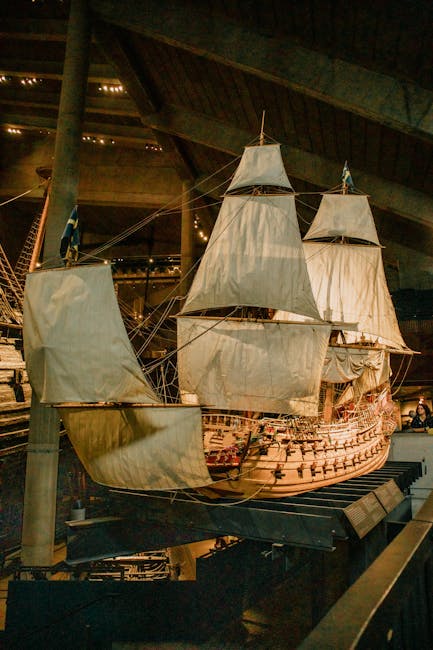
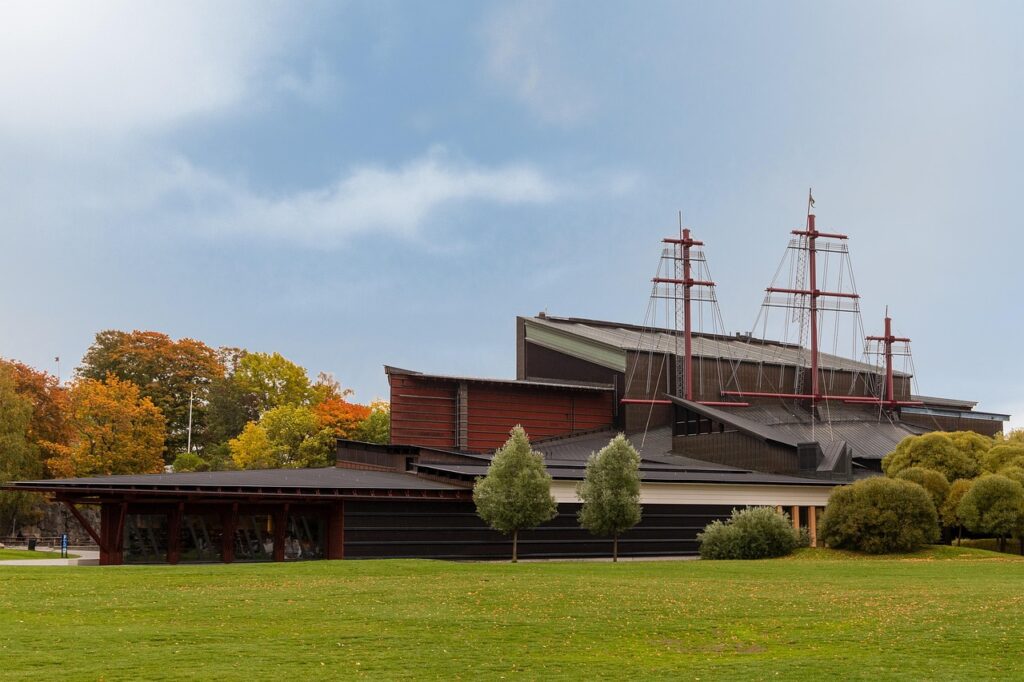
1) Vasa Museum (Vasamuseet) — The royal 17th-century wreck
Full name: Vasa Museum (Vasamuseet)
Address: Galärvarvsvägen 14, 115 21 Stockholm, Djurgården island
Indicative prices: Adults €17, students €11, children (under 18) free. Family ticket (2 adults + 2 children) around €36. Prices may vary; check the official site before you go.
Typical opening hours: Open daily 10:00–17:00 in low season; in summer (June–August) often 08:30–18:00 or 10:00–18:00 depending on the calendar. Some days may feature late openings—consult the online calendar.
The Vasa Museum is arguably one of Stockholm’s most iconic museums. It houses the Vasa, a Swedish warship that sank on its maiden voyage in 1628 and was salvaged in 1961. The experience is immersive: the ship is displayed inside a monumental hall with ramps and viewpoints on multiple levels so you can admire the hull, exquisite carvings and restoration details. Panels, models and films tell the story of the ship’s construction, sinking and recovery, as well as the political and maritime context of the 17th century.
Practical tips: aim for an early morning or late afternoon visit to avoid large tour groups. The museum offers audio guides in several languages and themed guided tours (often in English); book ahead in high season. The museum shop sells replicas, books and Vasa-inspired design objects—great souvenirs. A few minutes’ walk away are the neighbouring Maritime Museum and ABBA The Museum, so you can easily extend your day on Djurgården.
2) ABBA The Museum — An interactive journey into Swedish pop
Full name: ABBA The Museum (ABBA The Museum — The Swedish Music Hall of Fame)
Address: Djurgårdsvägen 68, 115 21 Stockholm, Djurgården island
Indicative prices: Adults €25, students €18, children (7–15) €12, children under 7 free. Combination tickets with other attractions may be available (e.g. Gröna Lund). Prices and availability can change with special exhibitions and events.
Typical opening hours: Generally open 10:00–18:00; extended hours in summer, sometimes until 19:00 or 20:00. Check opening times on the day of your visit.
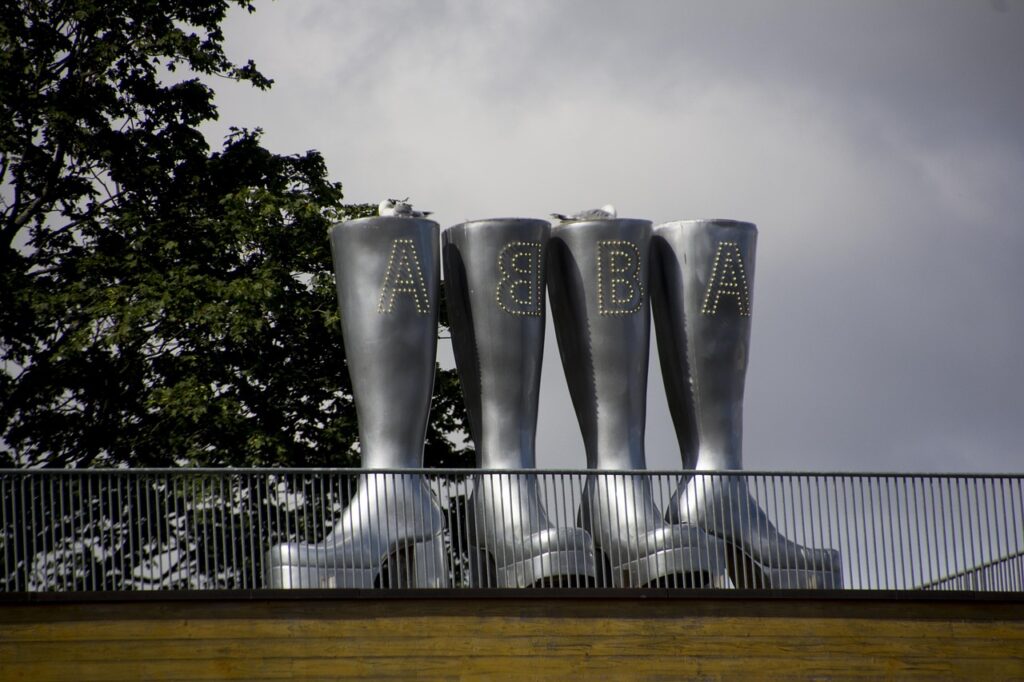
ABBA The Museum is designed as an interactive, immersive experience dedicated to the pop group ABBA and the history of Swedish and international popular music. Visitors can step into reconstructed recording studios, sing in karaoke booths to famous hits, try on virtual costumes via screens, and pose next to mannequins or stage replicas. Exhibits combine original items (costumes, sheet music), archival footage, interviews and multimedia features that explore ABBA’s musical creativity and global impact.
Practical tips: ABBA The Museum attracts families and fans of all ages; if you want to enjoy interactive stations without queues, arrive at opening time or book a timed entry slot. The museum frequently hosts workshops, temporary exhibits focused on music production, and evening events. Nearby are the Vasa Museum and Skansen, making Djurgården a fantastic area for a full cultural day.
3) Moderna Museet — Modern and contemporary art on Skeppsholmen
Full name: Moderna Museet (Museum of Modern and Contemporary Art)
Address: Exercisplan 4, 111 49 Stockholm, Skeppsholmen island
Indicative prices: General admission adults €15, students €10, under 18 free. Some temporary exhibitions may require an additional ticket.
Typical opening hours: Usually open 10:00–18:00, closed some Mondays in low season; late openings on Thursdays until 20:00 depending on the program. Check the official site for temporary exhibition hours.
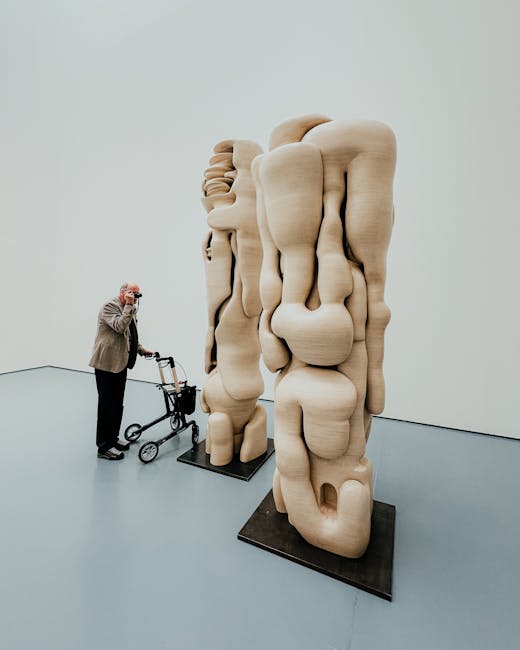
Moderna Museet is Stockholm’s leading institution for 20th- and 21st-century art. Located on Skeppsholmen island, the building provides water views and a strong permanent collection: Picasso, Dalí, Matisse, and contemporary Nordic and international artists. Galleries alternate between paintings, installations, sculptures and multimedia works. The museum is known for ambitious temporary exhibitions and an educational program that includes talks, workshops and specialised guided tours.
Practical tips: allow at least two hours for the permanent collection and more for a major temporary exhibition. The museum café offers a pleasant break with views of the archipelago—perfect for regrouping between galleries. Moderna Museet’s publications are high quality and the bookshop is a destination for art professionals and enthusiasts. Transport to Skeppsholmen is easy from the centre (a walk from Gamla Stan or bus/ferry depending on season).
4) Nationalmuseum — The grand museum of fine and decorative arts
Full name: Nationalmuseum (Nationalmuseum Stockholm)
Address: Södra Blasieholmshamnen 2, 111 48 Stockholm, Blasieholmen
Indicative prices: General admission adults €12, students €8, free for under 18s. Temporary exhibitions may have separate fees.
Typical opening hours: Generally open 11:00–18:00 (closed on Mondays except for special programming). Late openings until 20:00 on Thursdays—check before you go.
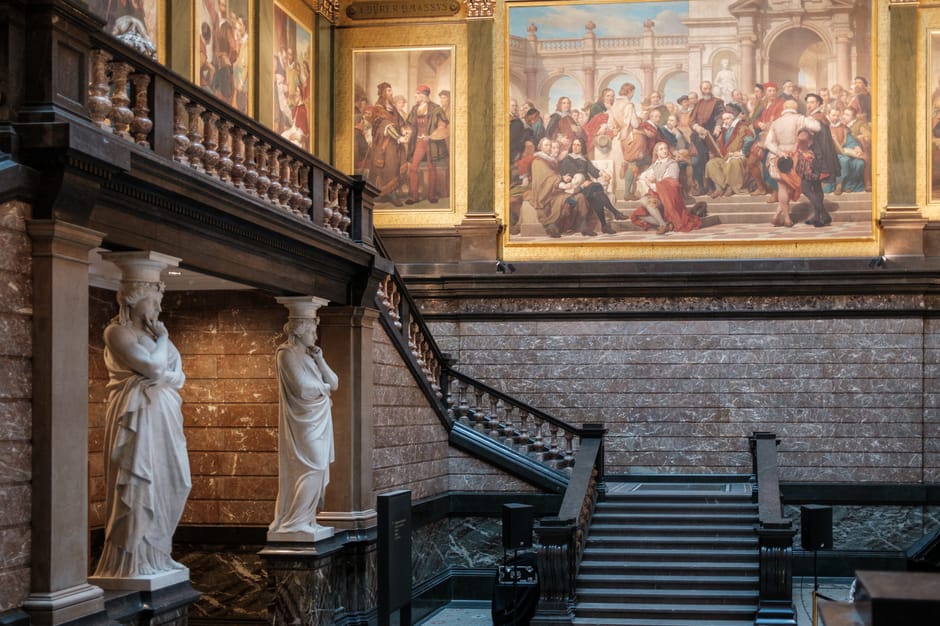
Nationalmuseum is Sweden’s largest institution dedicated to fine and decorative arts, housing European paintings, art objects, furniture, ceramics and graphic arts. Recent restorations have highlighted restored rooms with a chronological and thematic route that showcases masterpieces from the Renaissance through the 19th century, alongside contemporary exhibitions focused on Swedish design and collection conservation.
Practical tips: Nationalmuseum is for visitors who want to understand the evolution of taste and design in Europe and Sweden. Labels in Swedish and English make the displays accessible, and audio guides are available. The building itself, located on Blasieholmen, offers views over the harbour and easily combines with a stroll along the water toward Nybroplan and Östermalm. If you’re into graphic arts, ask about special access to the reserves if offered during selected tours.
5) Skansen — Open-air museum and zoo of Swedish folklore
Full name: Skansen Open-Air Museum and Zoo (Skansen)
Address: Djurgårdsslätten 49-51, 115 21 Stockholm, Djurgården island
Indicative prices: Adults €20, students €13, children (4–15) €8, children under 4 free. Combined tickets or seasonal pricing may apply for special events (Christmas, Midsommar).
Typical opening hours: Skansen follows seasonal hours: in summer often 10:00–18:00; in winter 10:00–15:00. Zoo areas and activity schedules (traditional crafts, cooking demonstrations) have their own timetables.
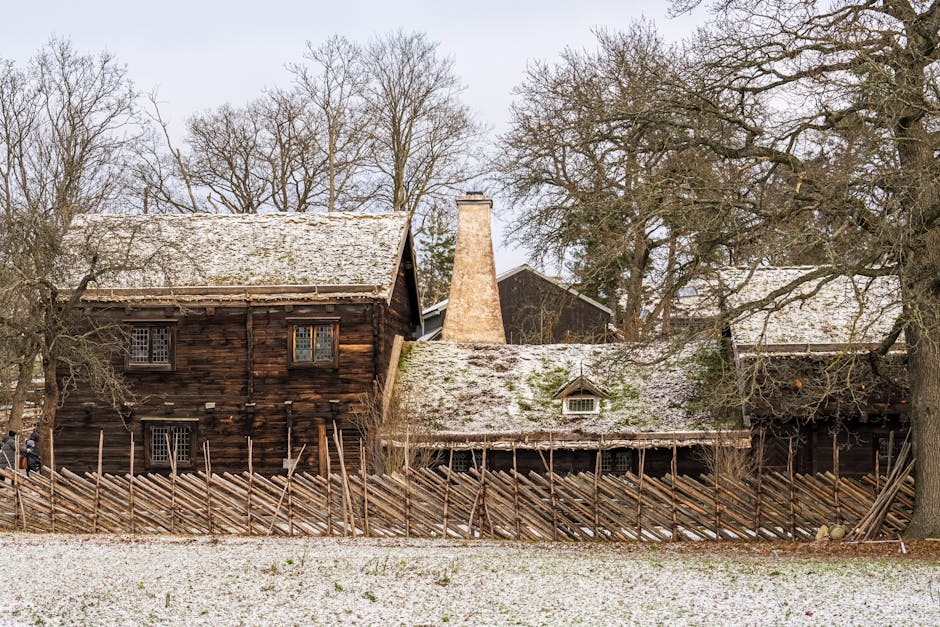
Skansen is the world’s oldest open-air museum and a genuine window onto Swedish heritage. Set on the northern slopes of Djurgården, it recreates farms, town houses, workshops and churches brought from across Sweden, reconstructing scenes of rural and urban life from past centuries. The site also includes a Nordic zoo where you can see moose, arctic foxes, bison and other regional species. Throughout the year Skansen stages traditional celebrations (Midsommar, Christmas) with music, dances and traditional food.
Practical tips: Skansen is extensive—plan for at least a half-day, and a full day if you want to see demonstrations and visit the zoo. Wear comfortable shoes; paths may be icy in winter. Summer weekends can be very busy, so aim for weekday mornings. The Skansen Museum Shop sells traditional Swedish crafts and local products; cafés in the park serve simple meals and Swedish pastries (fika is essential!).
6) Fotografiska — A lively center for contemporary photography
Full name: Fotografiska (Fotografiska Stockholm — Museum of Photography)
Address: Stadsgårdshamnen 22, 116 45 Stockholm, Södermalm district
Indicative prices: Adults €19, students €12, children (under 12) free. Reduced evening rates on certain days; special exhibitions may carry a surcharge.
Typical opening hours: One of Fotografiska’s advantages is extended hours: often open 09:00–23:00 (or 10:00–22:00) depending on the season, making it an excellent option after a day of sightseeing. Check the day’s hours.
Fotografiska is a must-see platform for contemporary photography, mixing large-format displays and multimedia installations. Housed in a converted waterfront building on Södermalm, the museum hosts monographic and thematic exhibitions, inviting international and Swedish photographers. The space includes a design shop and a restaurant with one of the best nighttime views over the city. The program is often bold, covering sociopolitical themes, intimate portraiture and contemporary aesthetics.
Practical tips: take advantage of late openings to mingle with locals and enjoy a meal at the restaurant with a view. Fotografiska’s exhibitions can be emotionally powerful and provocative; take time to read the labels and consult online resources to contextualize the series. Events (openings, talks, workshops) are frequent—if your trip coincides with one, it can greatly enrich your visit.
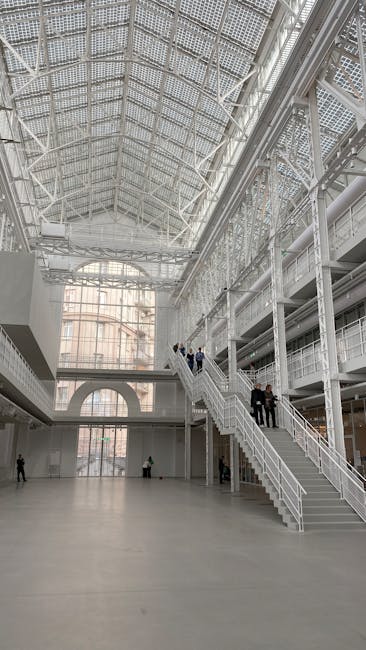
Practical information and local tips for visiting multiple museums
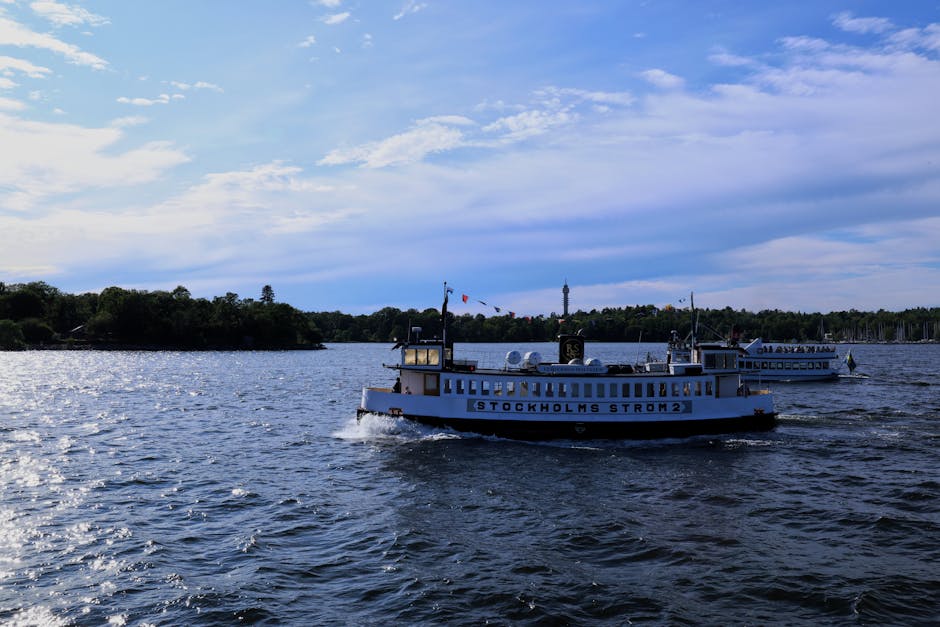
Getting around: Stockholm has an efficient network (Tunnelbana metro, trams, buses, ferries). Buy an SL card (single tickets or a day pass) to simplify travel. Many museums are located on islands close to the centre (Djurgården, Skeppsholmen, Gamla Stan, Södermalm) and are walkable from the historic core or reachable by bus/ferry.
Tickets and queues: for the Vasa, Moderna and Fotografiska, it’s often wise to buy tickets online in advance, especially in high season (May–Sept). ABBA The Museum and Skansen also require bookings for certain activities. National museums sometimes offer free-entry days; check conditions to plan according to your budget.
Combining visits: plan a Djurgården day (Vasa Museum, ABBA The Museum, Skansen)—public transport or rental bikes are convenient. Skeppsholmen (Moderna Museet) pairs well with a walk to Gamla Stan and the Nationalmuseum on Blasieholmen. Fotografiska, on Södermalm, suits late-afternoon or evening visits with dinner on site.
Language and accessibility: most museums provide information in English and audio guides. Facilities are generally accessible for visitors with reduced mobility, but check specifics (lifts, access to upper levels) on official websites.
Conclusion — Pick your route based on time and interests
Stockholm offers an astonishing range of museums for a mid-sized capital. Whether you have a weekend or a week, you can tailor focused routes: three highlights in a half-day (for example Vasa + ABBA on Djurgården), or themed full days (modern art around Moderna Museet and Nationalmuseum, photography and nightlife at Fotografiska). Each museum delivers a different cultural adventure: Vasa transports you to maritime history, ABBA celebrates pop and interactivity, Moderna challenges modern art, Nationalmuseum traces fine art history, Skansen reconstructs traditional ways of life and Fotografiska offers a contemporary photographic view of the world.
To make the most of your visits, plan ahead: check seasonal opening times, buy online tickets for in-demand exhibitions, prefer off-peak hours to enjoy interactive areas, and pause for a fika in a café between museums to feel the local rhythm. Stockholm’s museums are designed to be accessible and welcoming—use audio guides, join guided tours for deeper insight, and don’t hesitate to ask staff about hidden collections or special tours.
Finally, leave room for the unexpected: temporary shows, performances or special events can enrich your trip in surprising ways. Stockholm, with its islands and shifting light, turns a museum visit into a full sensory experience. Enjoy a culturally rich trip and happy discoveries in Stockholm’s museums!