





Introduction — City Pass or Individual Tickets: the Stockholm traveler’s dilemma
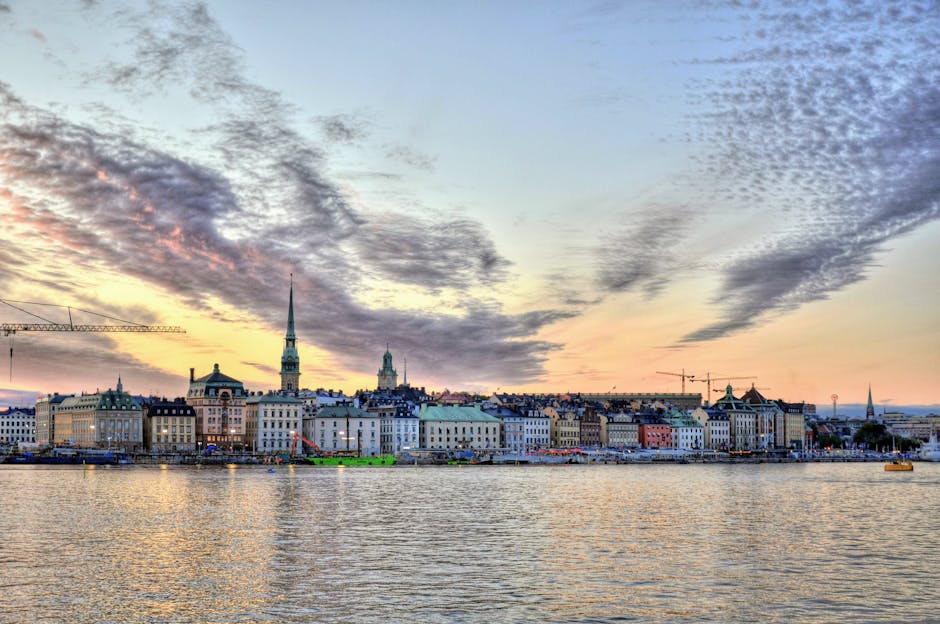
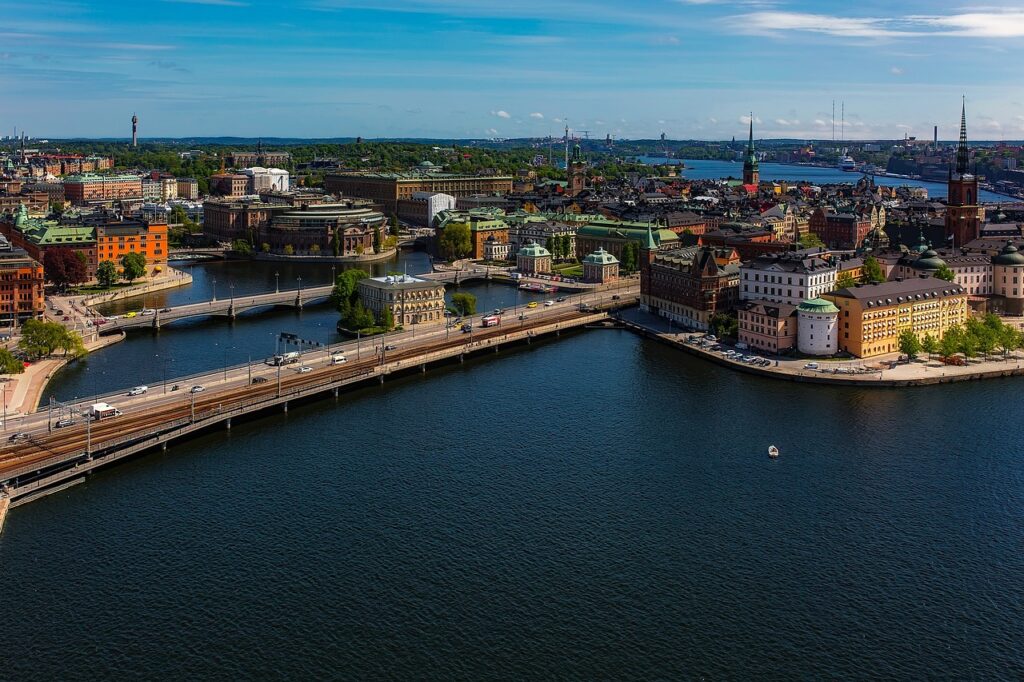
Stockholm, the “Venice of the North,” spreads across fourteen islands linked by bridges, historic quays and cobbled lanes. The Swedish capital draws visitors with its maritime history, contemporary design, world-class museums and green parks. Practical travelers often face the same question: is it better to buy a city pass (like the Stockholm Pass) or pay for attractions individually based on your plan? This choice affects not only your budget but also daily logistics — queues, ferry boarding, priority entry and even how much time you have to wander.
This practical, detailed guide will help you decide. We compare both approaches by looking at Stockholm’s main sights, their exact addresses, typical opening hours, approximate prices in euros, immersive experience notes and local tips to get the most out of your visit. We’ll cover must-see spots such as the Vasa Museum (Vasamuseet), Skansen, ABBA The Museum, Stadshuset (City Hall), Gröna Lund, Fotografiska, and the Royal Palace (Kungliga Slottet). For each attraction you’ll get a vivid description — what to hear, see and feel — as well as practical info: how to get there, recommended visit length, and tricks to avoid crowds or save a few euros.
We’ll also detail what’s included in the Stockholm Pass: which attractions it covers, access type (standard entry or skip-the-line), whether ferries are included and how it stacks up against buying individual tickets. Public transport (SL) tickets will also be addressed: typical prices, validity and when they become more economical than an all-in pass.
This guide is aimed at travelers who want to maximize time and value, whether you’re in Stockholm for a long weekend or a full week. By the end you’ll find concrete example scenarios — a “pass worthwhile” itinerary and a “better buy individual tickets” itinerary — so you can decide with confidence. Every element includes exact addresses and typical hours, but keep in mind that details can change with the season; we recommend checking opening times and prices before you travel. Stockholm is constantly buzzing with culture: with a bit of planning your trip will be rich and relaxed.
The Stockholm Pass: what’s included, pricing, pros and cons (in-depth)
The Stockholm Pass is designed to simplify sightseeing by offering access to a wide range of attractions for a fixed daily fee. Typical options are 24, 48 and 72-hour passes. As a guideline (approximate 2024 prices): the 24-hour Stockholm Pass costs around €69 for an adult, the 48-hour about €99, and the 72-hour around €129. Children often receive discounts (frequently free or reduced up to around 15 years depending on the attraction). Prices vary with promotions and season — check the official site to confirm.
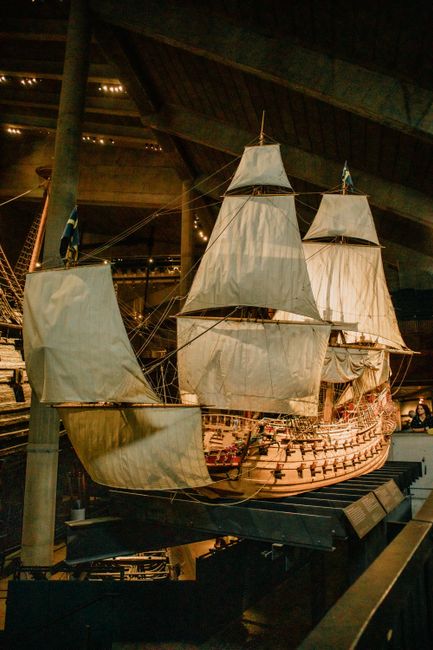
The pass commonly includes major attractions: the Vasa Museum (Vasamuseet, Galärvarvsvägen 14, Djurgården, 115 21 Stockholm), Skansen (Djurgårdsslätten 49-51, 115 21 Stockholm), ABBA The Museum (Djurgårdsvägen 68, 115 21 Stockholm), guided City Hall tours (Hantverkargatan 1, 111 52 Stockholm), and archipelago cruises. Some popular museums like Fotografiska (Stadsgårdshamnen 22, 116 45 Stockholm) may be included depending on the package. The pass can offer standard entry and, for some attractions, skip-the-line access.
Advantages of the pass:
- Convenience: one payment and a card that serves as multiple entries — very handy for a short, packed itinerary.
- Potential savings: if you plan to visit many paid attractions (e.g. Vasa €17, Skansen €20, ABBA €18, Fotografiska €15), the pass can pay off in 1–3 busy days.
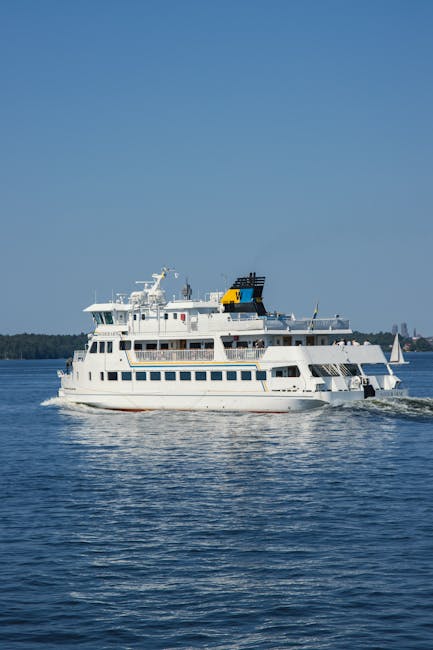
- Ferry access included: some packages cover guided cruises — handy for seeing the city from the water.
- Simpler planning: you avoid buying separate tickets and juggling multiple payments.
Drawbacks of the pass:
- Time pressure: to make the pass worth it you might cram your days and spend more time ticking boxes than enjoying the city.
- Not all attractions included: some popular sites (special temporary exhibitions, private yachts or certain shows) may be excluded or require extra payment.
- Less flexibility: bad weather can make a full-day pass feel wasted if outdoor plans are canceled.
- Limited validity: the pass runs on consecutive hours (24/48/72) from first activation — you can’t spread it over non-consecutive days.
Practical tips for using the pass:
- Do the math in advance: add up the individual prices of the attractions you really want to see. If the total is higher than the pass price, the pass is worth it.
- Start early: activate the pass in the morning to maximize the number of visits during the chosen time window.
- Use it on rainy days: when the weather turns, use the pass for indoor museums and postpone outdoor walks.
- Use the map: note which sites on Djurgården are close together (Vasamuseet, ABBA The Museum, Skansen) so you can walk between them and save travel time.
Individual tickets: when and how they’re the better choice
Buying individual tickets is often the most flexible — and sometimes the most economical — option for certain types of travelers. If your stay is longer than three days, or you prefer to mix museums with long walks without time pressure, paying per attraction may be the smarter choice. Here’s a closer look at when individual tickets make sense.
Typical cases where individual tickets are better:
- Longer stay (4 days or more): you can space out visits, enjoy more walking and take advantage of occasional discounts at some museums.
- Targeted interests: if you only want to see a few major attractions (for example Vasa and Fotografiska) and spend the rest of your time wandering Gamla Stan or Södermalm, buying separately will likely cost less.
- Season and weather: in summer you may prefer outdoor activities and cruises not covered by the pass, reducing the number of paid attractions needed to justify a pass.
- Premium experiences: private guided tours, gourmet restaurant dinners or concerts are usually not included in the pass and can increase total costs if you buy one.
Sample individual prices (approximate 2024):
- Vasa Museum (Vasamuseet) — Galärvarvsvägen 14, Djurgården, 115 21 Stockholm: ~€17, opening hours 10:00–17:00 (winter) / 10:00–18:00 (summer).
- Skansen — Djurgårdsslätten 49-51, 115 21 Stockholm: ~€20, opening hours 10:00–16:00 (off-season) / 10:00–18:00 (summer).
- ABBA The Museum — Djurgårdsvägen 68, 115 21 Stockholm: ~€18, 10:00–17:00.
- Fotografiska — Stadsgårdshamnen 22, 116 45 Stockholm: ~€15, 09:00–23:00 (long opening hours for late visits and the café).
- City Hall / Stadshuset tours — Hantverkargatan 1, 111 52 Stockholm: ~€15, guided tours 09:00–16:30 (times vary by season).
- Royal Palace / Kungliga Slottet — Slottsbacken 1, 111 30 Stockholm: ~€16, 10:00–17:00 (varies with official events).
Practical tips for buying individual tickets:
- Buy online in advance for popular attractions to avoid queues (Vasamuseet, ABBA The Museum and Gröna Lund in season).
- Take advantage of Fotografiska’s late hours — it’s often quieter in the evening and the café offers a lovely harbor view.
- Look for combo tickets or local discounts: some attractions sell discounted combined tickets (e.g. Vasa + Nordic Museum) when bought together on site or via their official websites.
- Space out visits: pair a morning museum with an afternoon neighborhood walk (Gamla Stan, Södermalm, Östermalm).
Sample itineraries and scenarios: when the Pass pays off — and when it doesn’t
To help you visualize, here are two typical scenarios — a 48-hour weekend and a 5-day stay — including a price comparison and on-the-ground tips. Prices are approximate in euros; exact conversion depends on the SEK/EUR rate on the day you buy.
Scenario A — Intense weekend (2 days / 48 hours): Pass pays off
- Day 1: Morning — Vasa Museum (Galärvarvsvägen 14) ~€17; Afternoon — ABBA The Museum (Djurgårdsvägen 68) ~€18; Evening — archipelago cruise included with the pass (estimated value ~€25).
- Day 2: Morning — Skansen (Djurgårdsslätten 49-51) ~€20; Afternoon — Fotografiska (Stadsgårdshamnen 22) ~€15; Evening — climb City Hall for the view if included ~€15.
Sum of individual tickets = ~€110; 48-hour pass = ~€99. In this case the pass is both cheaper and more convenient since it includes a cruise and multiple Djurgården attractions, saving time on buying separate tickets.
Scenario B — 5-day stay: Individual tickets often better
- Day 1: Gamla Stan and Royal Palace — free wandering, Royal Palace entry ~€16.
- Day 2: Vasa Museum ~€17, walk around Djurgården.
- Day 3: Södermalm, Fotografiska ~€15, cafés and design shopping.
- Day 4: Archipelago trip (private cruise or special ticket ~€20–40 depending on operator).
- Day 5: Relaxing, local markets, low-cost or free museum visits.
Estimated total if you choose only 3–4 paid attractions ≈ €60–100. A 72-hour pass would cost ~€129, but you wouldn’t use it across the entire stay. Here, buying tickets individually gives you more freedom and will likely cost less.
Local tips to optimize:
- Visit Djurgården early in the morning to avoid tour buses and enjoy calm waterside views in front of the Vasa.
- Book Fotografiska for a late-afternoon visit: the light is lovely, crowds thin out, and the café-restaurant offers a relaxing panorama.
- If you buy the pass, activate it the evening before a busy day to make the most of the 24/48/72-hour window.
- Use the SL travel card: a 24-hour ticket costs about ~€15 (165 SEK), which helps you hop between sites if you’re moving around a lot.
Practical on-the-ground info: addresses, opening hours, transport and money-saving tips
Here’s a quick reference for the places mentioned, with exact addresses, typical opening hours and local tips to save time and money.
- Vasamuseet (Vasa Museum) — Address: Galärvarvsvägen 14, Djurgården, 115 21 Stockholm. Hours: usually 10:00–17:00 off-season, 10:00–18:00 in summer. Ticket price: ~€17. Tip: buy tickets online to skip the line and visit early for beautiful lighting on the restored hull.
- Skansen — Address: Djurgårdsslätten 49-51, 115 21 Stockholm. Hours: 10:00–16:00 (off-season) / 10:00–18:00 (summer). Ticket price: ~€20. Tip: combine with the Nordic Museum if you enjoy Swedish history — combo tickets are sometimes available.
- ABBA The Museum — Address: Djurgårdsvägen 68, 115 21 Stockholm. Hours: 10:00–17:00. Ticket price: ~€18. Tip: reserve timed entry slots — the museum fills up quickly in summer afternoons.
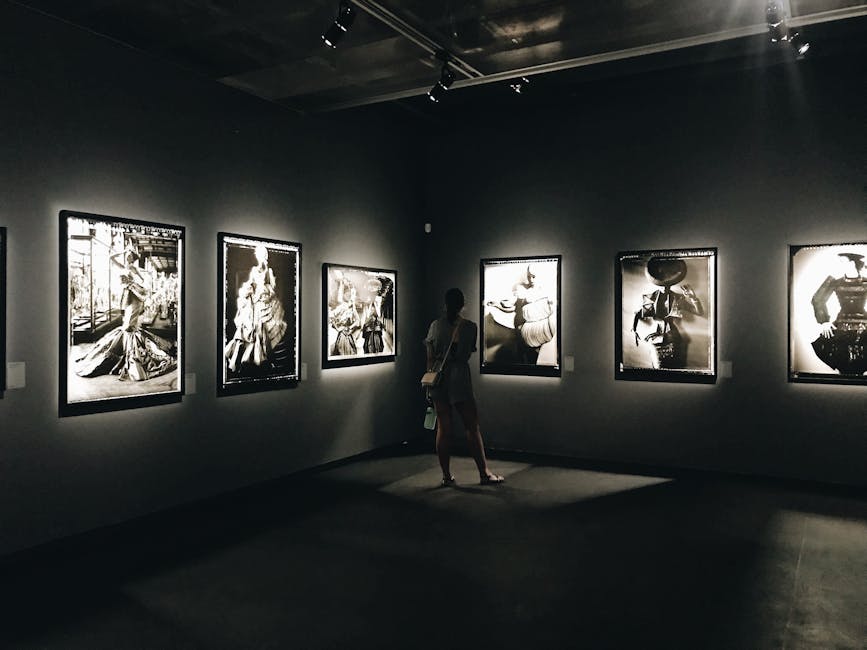
- Fotografiska — Address: Stadsgårdshamnen 22, 116 45 Stockholm. Hours: 09:00–23:00 (often open late for exhibitions and evening visits). Ticket price: ~€15. Tip: dine at the restaurant for a view and check rotating temporary exhibitions.
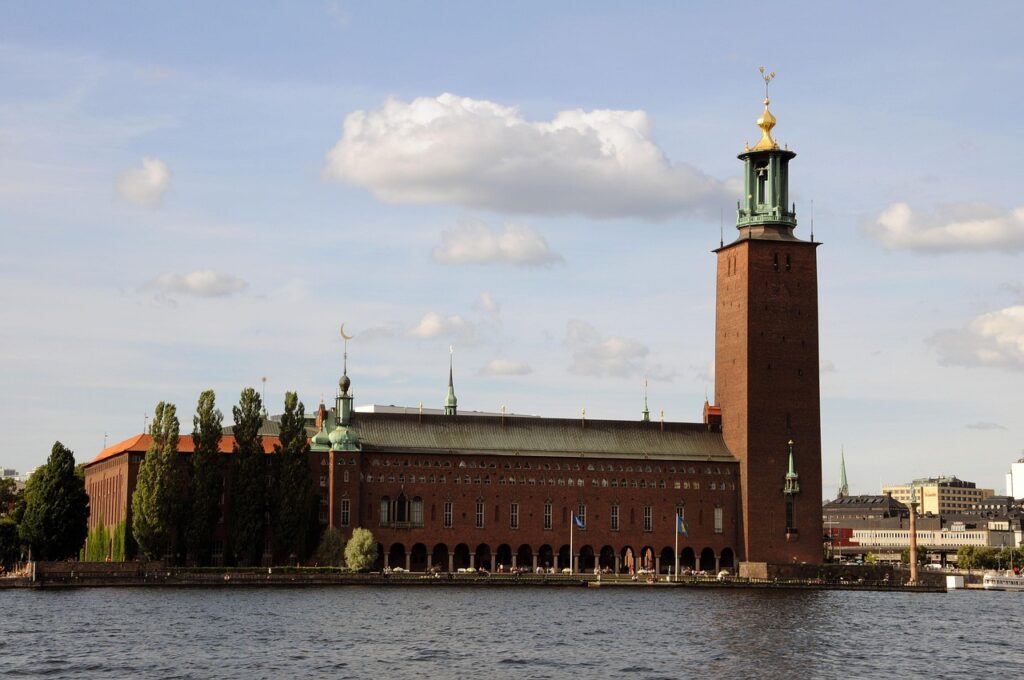
- Stadshuset (Stockholm City Hall) — Address: Hantverkargatan 1, 111 52 Stockholm. Hours: guided tours 09:00–16:30 (times vary). Ticket price: ~€15. Tip: book the guided tour that includes the Golden Hall and the tower for panoramic views.
- Kungliga Slottet (Royal Palace) — Address: Slottsbacken 1, 111 30 Stockholm. Hours: 10:00–17:00 (varies with official events). Ticket price: ~€16. Tip: check the changing of the guard for a free, picturesque spectacle.
- Gröna Lund — Address: Lilla Allmänna Gränd 9, 115 21 Stockholm. Hours: mainly open in season (May–Sept) 11:00–23:00 depending on events. Ticket price: ~€30 (varies by day/ride pass). Tip: buy fast-track or ride-package tickets to avoid long queues on busy weekends.
Transport and SL tickets:
- 75-minute ticket: around ~€6–7 (75 SEK) — valid on metro, bus and tram for a short trip.
- 24-hour ticket: around ~€15 (165 SEK).
- 72-hour ticket: around ~€31 (345 SEK).
- Tip: if you have the Stockholm Pass check whether it covers some ferry journeys; otherwise combine an attraction pass with an SL ticket for transfers.
Conclusion — Make a methodical choice for a successful Stockholm trip
The decision between the Stockholm Pass and individual tickets really comes down to your pace, available time and cultural priorities. For a short, museum-heavy stay (1–3 days) focused on major sites and cruises, the Stockholm Pass can offer real savings and simplify logistics. For a longer trip, travelers who enjoy lingering, sampling local food or visiting only a few paid attractions, buying tickets individually gives more flexibility and better budget control.
Keep these recommendations in mind: plan your visits, tally the prices of the attractions you want, and compare that total to the pass price. Book tickets online for the most popular sites (Vasa, ABBA The Museum, Fotografiska) to avoid lines, and consider SL tickets for your daily transport. For an authentic experience, make time to walk Gamla Stan, explore Södermalm cafés, and take a calm archipelago crossing — those often-free moments are what make Stockholm unforgettable.
Finally, adapt your choice to the season: in summer parks, festivals and cruises play a bigger role and may make the pass more attractive; in winter stick to indoor activities and compare carefully. Whatever you pick, Stockholm’s diversity — from 17th-century ships to contemporary design — is worth exploring with a mix of planning and a dash of spontaneity. Safe travels and enjoy Sweden’s capital!