




Introduction — Stockholm culture: should you get a museum pass?
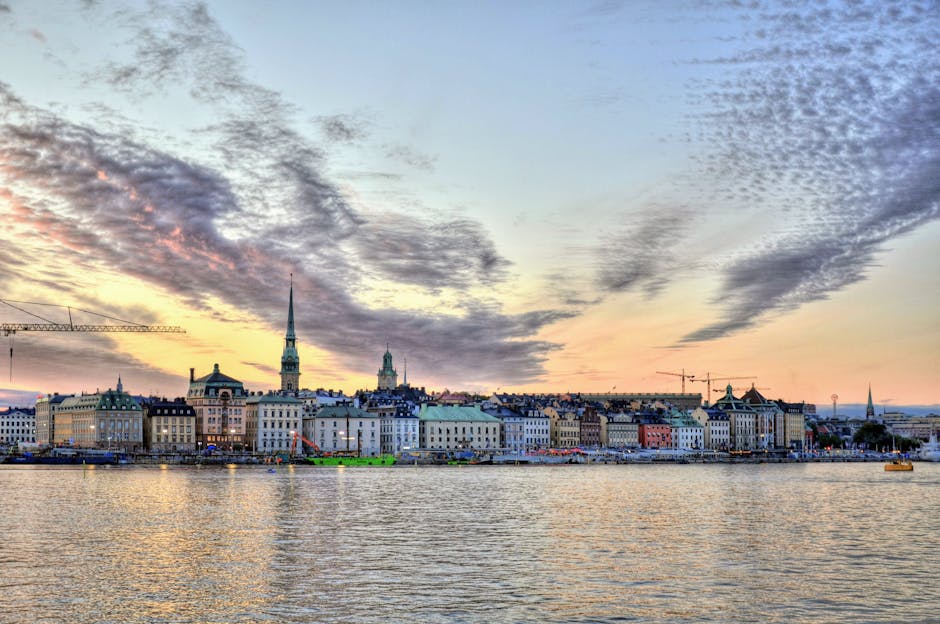
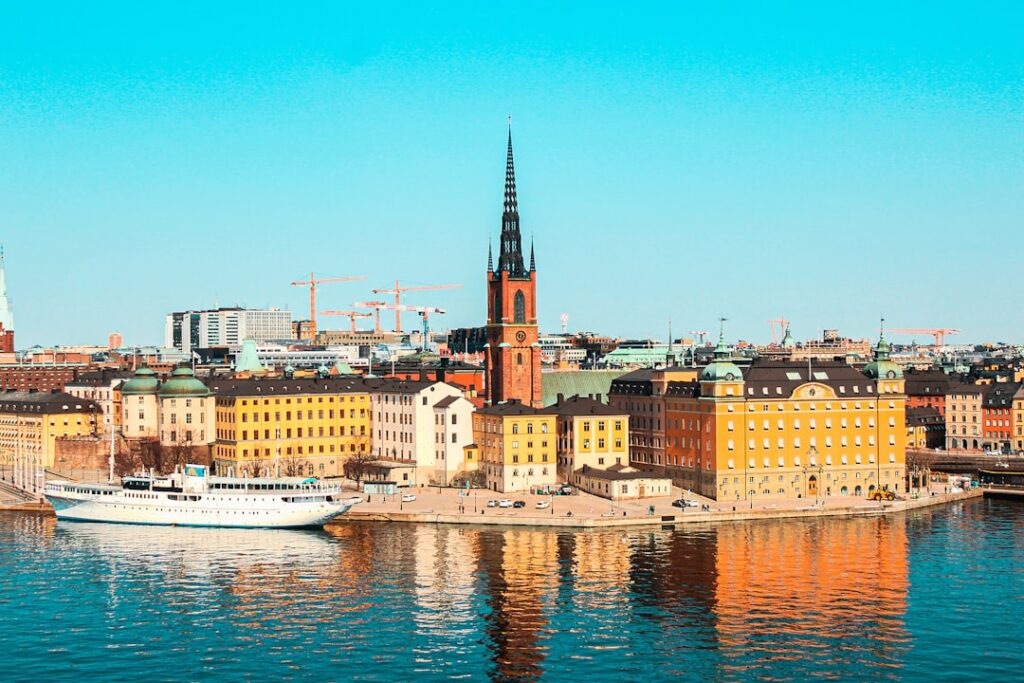
Stockholm is an open-air museum: islands carved by water, medieval quarters, national museums, contemporary galleries and traditional Swedish homes all dot an archipelago of 14 islands. For culture-seekers the question often comes up: should you buy a museum pass or not? A pass can look like an easy way to “see it all,” but whether it’s worthwhile depends on your pace, priorities and how long you’ll stay. This comprehensive guide helps you decide by explaining the different types of passes, the must-see museums, indicative prices in euros, typical opening hours and local tips to make the most of your visit.
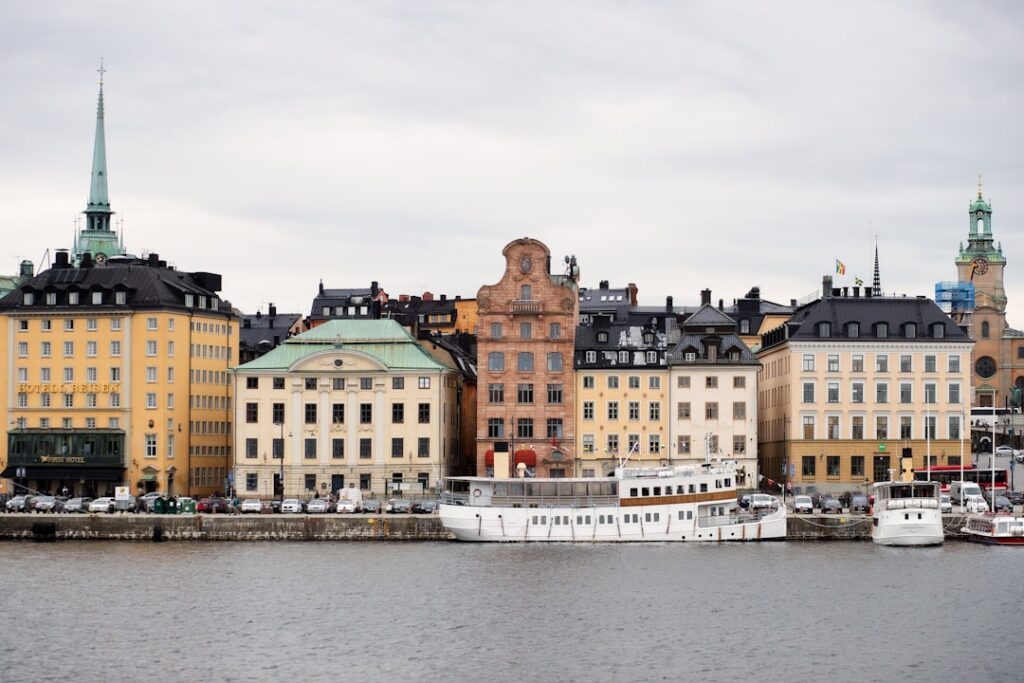
To set the scene: Stockholm is compact but its highlights are spread across Gamla Stan (the Old Town), Norrmalm (the modern center), Djurgården (the museum island), Skeppsholmen and Södermalm (creative, with great views). The most visited museums — Vasamuseet (Vasa Museum), Skansen, Moderna Museet, Fotografiska, Nordiska Museet, Nationalmuseum — each offer very different experiences: maritime history, popular culture, modern art, photography, Nordic traditions and fine arts. Some sites require a lot of time (Vasamuseet, Skansen), while others can be seen more quickly (small galleries, temporary shows).
The most common passes in Stockholm are the « Stockholm Pass » (often distributed through operators like Go City) and the « Stockholm Card » (a combined transport + museum option sometimes run locally). Passes can include: admission to a list of attractions, a hop-on hop-off boat tour, entry to certain viewpoints and sometimes public transport. The value comes down to three main variables: the pass cost, the total price of the individual admissions you’d pay, and how much time you have (cramming too many sites into a single day can make the experience shallow).
This guide aims to be practical and thorough: you’ll find exact addresses, typical opening hours, prices in euros (based on recent observations — check before you go), immersive descriptions of each site and concrete advice to know when a pass makes sense — depending on trip length, the kind of art or history you want, the season and who’s with you (family with kids, quick traveler, art lover). By the end you’ll not only know whether a pass fits your trip, but how to get the most out of it if you buy one.
Understanding the different passes: Stockholm Pass, Stockholm Card and alternatives
Before buying, it’s important to distinguish the options. The « Stockholm Pass » (often sold through international platforms like Go City) targets visitors focused on paid attractions: it grants « free » entry to a long list of museums and activities for a fixed duration (1, 2, 3, 4 days). Its value depends on your ability to « get your money’s worth » by visiting enough sites each day. The « Stockholm Card » (also called Stockholm Visitor Card in some versions) frequently combines access to multiple museums with public transport (metro, buses, ferries) for a set period (24, 72, 120 hours).
Indicative prices in euros (approximate values observed in 2024 — check official sites before purchasing):
- Stockholm Pass (Go City): 1 day around €60–70; 2 days €90–110; 3 days €110–140.
- Stockholm Card (visitor card with transport): 24h around €55–65; 48h €75–95; 72h €95–125; 120h €120–160.
- Family passes and discounts: children 0–17 often free or reduced (depends on pass); students and seniors sometimes get special discounts.
What does each pass typically cover? Examples:
- Stockholm Pass: free entry to Vasa Museum (Vasamuseet), sometimes partial inclusion of Skansen, ABBA The Museum (if included), hop-on hop-off cruises, SkyView observation experience and partner private museums.
- Stockholm Card: usually includes access to Nordiska Museet, Nationalmuseum, Moderna Museet, unlimited public transport (SL), plus some guided tours and ferries to parts of the archipelago.
Practical tips for comparing:
- Make a priority list of the museums and activities you absolutely want to see.
- Add up the total cost of individual tickets (prices in euros are provided in the sections below) and compare that to the pass price.
- Think about time: a pass is useful if you can visit 2–4 major attractions per day. If you prefer wandering, café breaks and spending hours in a single collection (e.g. Moderna Museet), a pass may be less worthwhile.
- Check the weather: if it rains you’ll end up in museums and the pass becomes more attractive.
- See whether the pass includes priority entry — handy in high season (June–August).
Must-see museums (addresses, hours, prices) — how much do they cost separately?
Here’s a rundown of Stockholm’s major museums with exact addresses, typical hours, entrance fees in euros (public tariffs observed and rounded) and immersive descriptions to help you assess each site’s individual value versus a pass.
Vasamuseet (Vasa Museum)
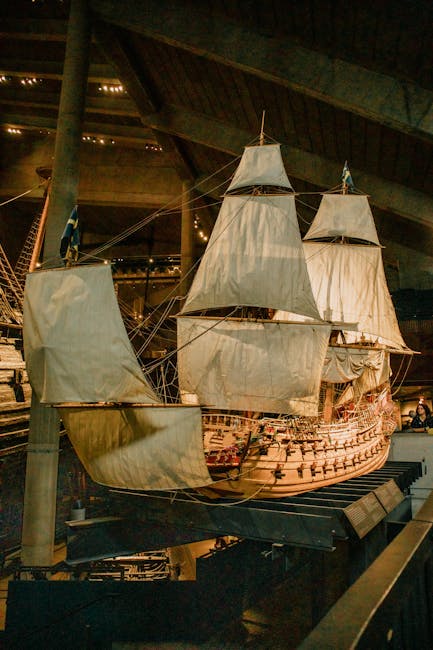
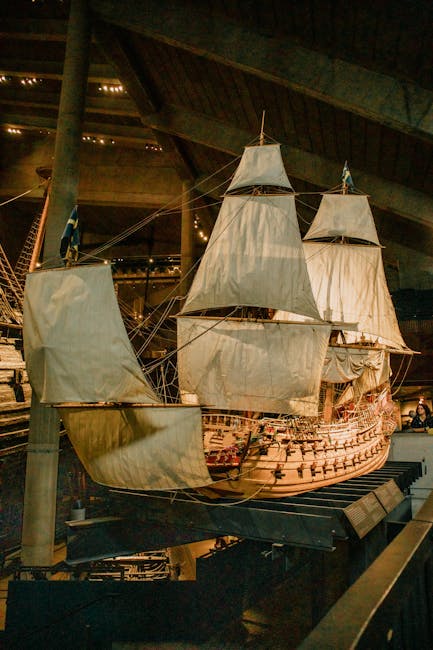
Address: Galärvarvsvägen 14, 115 21 Stockholm (Djurgården island). Typical hours: 10:00–17:00 (extended hours in summer, often 08:30–18:00 or 19:00). Entrance fee: about €17–19 for adults, free for 0–12, student/senior reduced around €12–14 (confirm on site). Description: the Vasa is a 17th-century warship, remarkably preserved after being salvaged. The sensory immersion is strong: darkened timber, rows of cannons, costumed mannequins, and video projections that place the ship in its historical context. Allow at least 1.5–2 hours.
Skansen
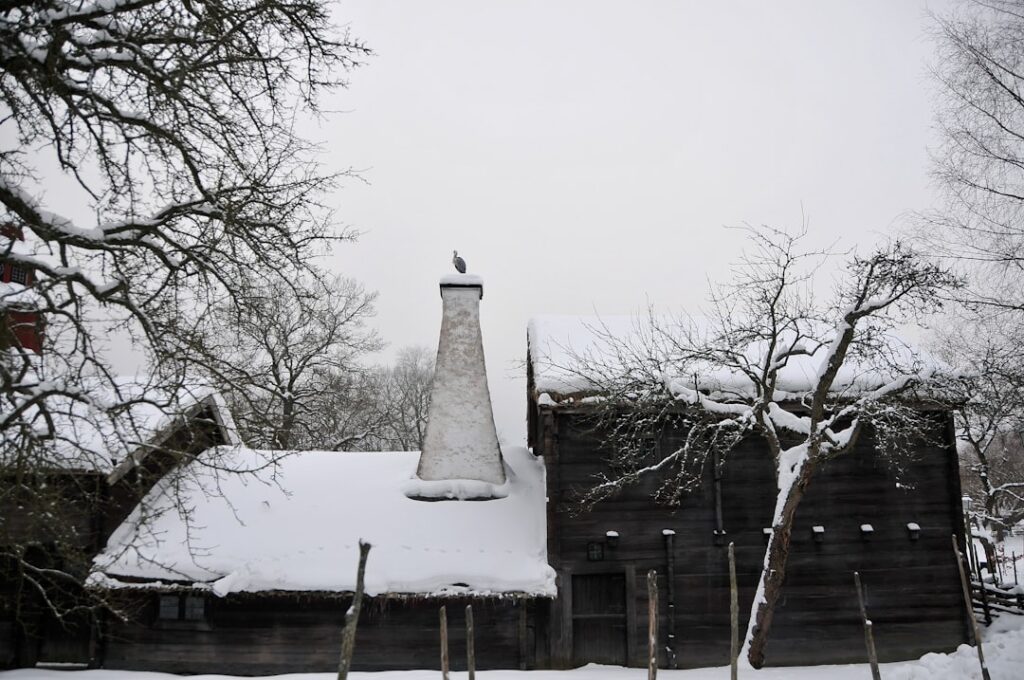
Address: Djurgårdsslätten 49–51, 115 21 Stockholm (Djurgården). Typical hours: 10:00–16:00 off-season, 10:00–17:00/18:00 in summer; some pavilions close earlier. Entrance fee: about €18–22 for adults, free for 0–6, reduced rates for 7–15 and seniors. Description: Skansen is an open-air museum and historical zoo: rural Swedish houses, living craftspeople, farms, workshops and Nordic animals. A full visit is long (3–4 hours) if you want to see everything, which can make a pass attractive if Skansen is included.
Moderna Museet
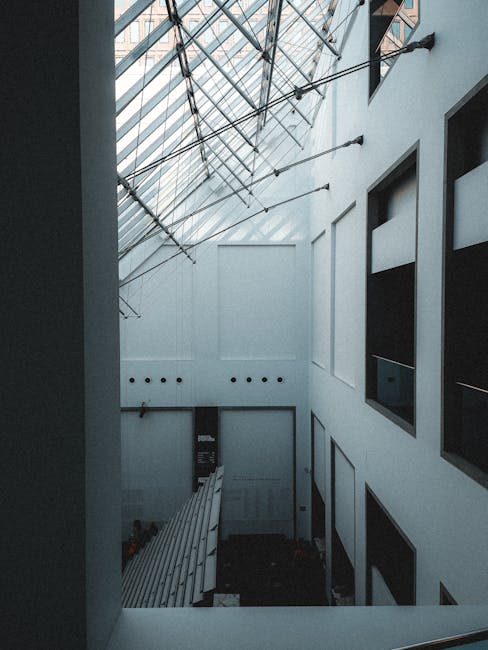
Address: Exercisplan 4, Skeppsholmen, 111 49 Stockholm. Hours: usually 10:00–18:00 (Thursdays often open until 20:00). Price: permanent collection access is often free while some temporary exhibitions charge; when paid expect around €12–18 depending on the show. Description: an international collection of modern and contemporary art — Picasso, Dalí and contemporary Scandinavian artists. Light-filled spaces, waterside architecture, a design-forward shop and café. A must for modern art fans; typical visit 1.5–2 hours.
Fotografiska
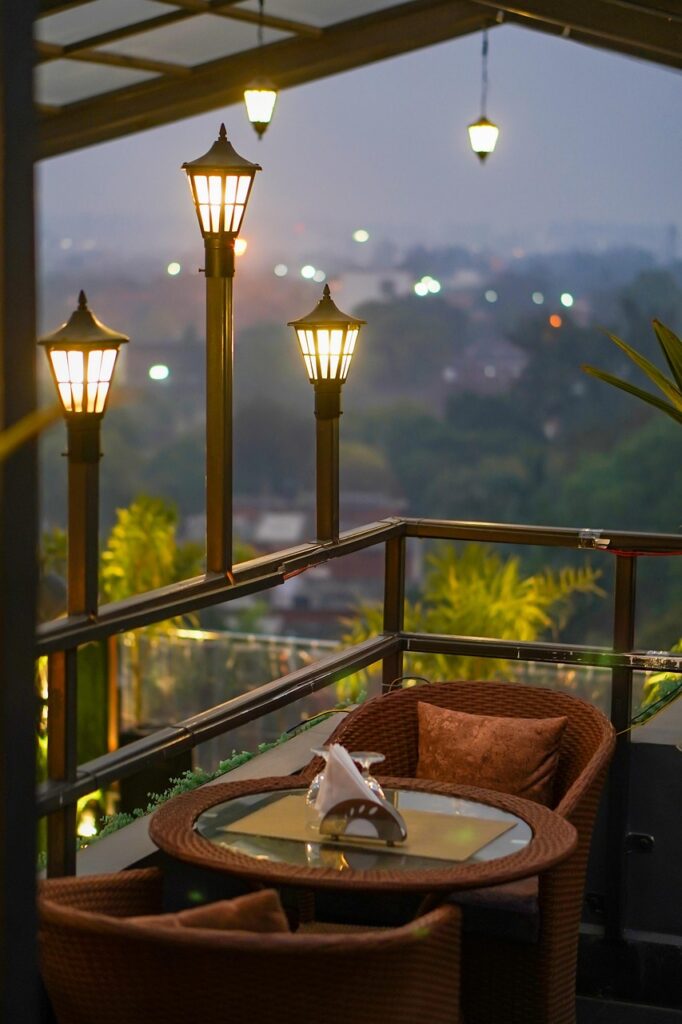
Address: Stadsgårdshamnen 22, 116 45 Stockholm (near Slussen, Södermalm). Hours: 09:00–23:00 (often open late). Price: about €17–22 for adults, discounts for students/seniors, variable kids’ rates. Description: a center for contemporary photography, hosting international thematic exhibitions and a rooftop café with water views. Visits can be short or long (1–2 hours); it’s particularly busy at sunset.
Nationalmuseum
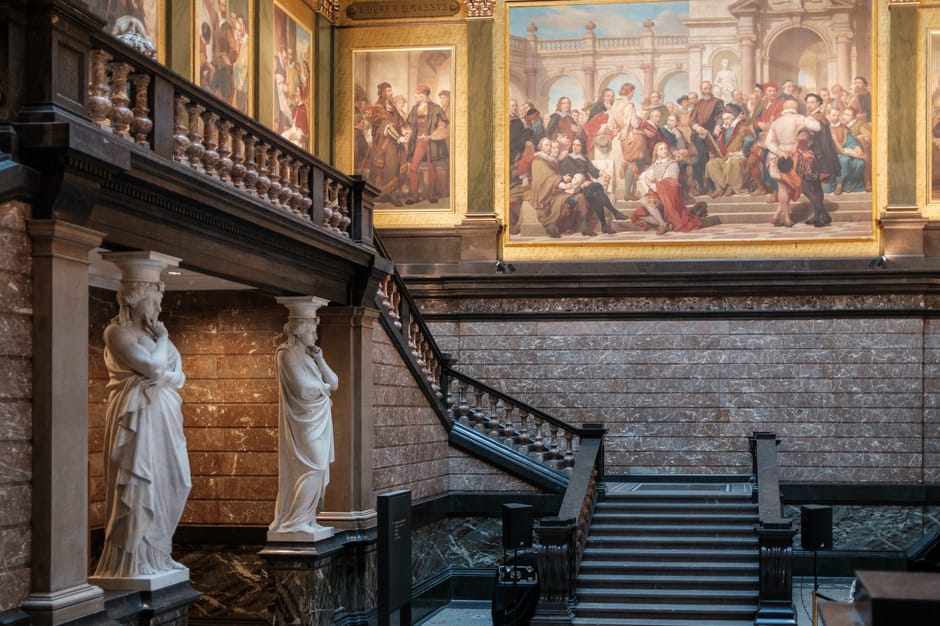
Address: Södra Blasieholmshamnen 2, 111 48 Stockholm (Norrmalm). Hours: 10:00–18:00, sometimes closed Mondays; extended hours on Thursdays. Price: permanent collection often free, temporary exhibitions €10–15. Description: collections of Swedish and European paintings and decorative arts, impressive restorations and recreated historical rooms. Especially interesting for fans of fine art and design.
Nordiska Museet
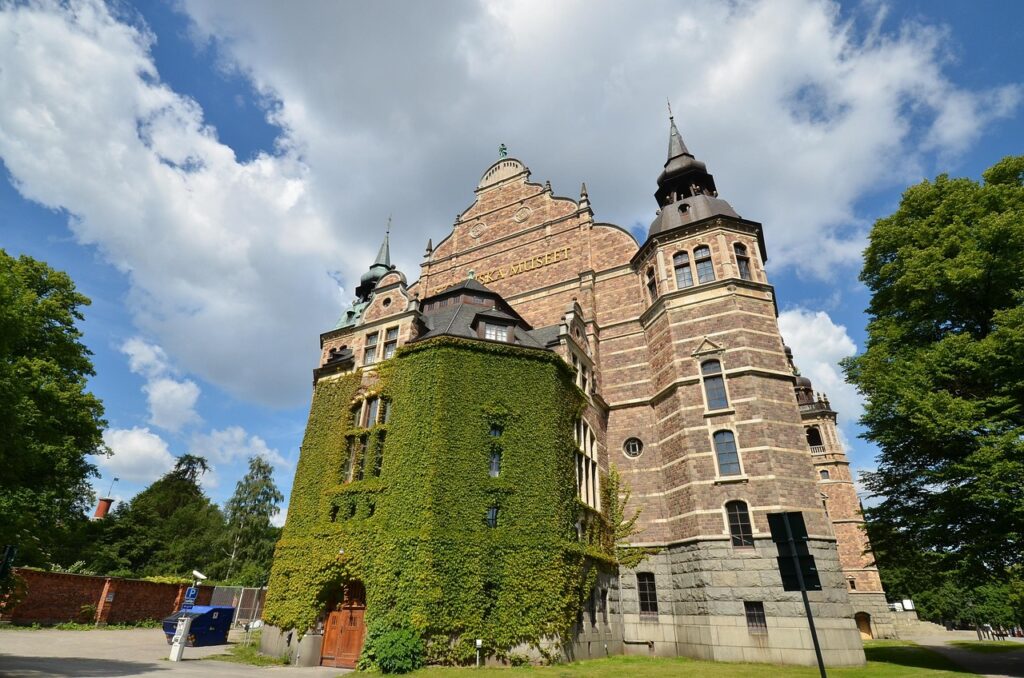
Address: Djurgårdsvägen 6–16, 115 93 Stockholm (Djurgården). Hours: 10:00–17:00 (some days extended). Price: about €12–15 for adults, reductions for youth/seniors. Description: the museum of Swedish cultural history — costumes, furniture, folk festivals and crafts. A lovely place to understand Swedish culture, often calm and rich in detailed objects.
ABBA The Museum
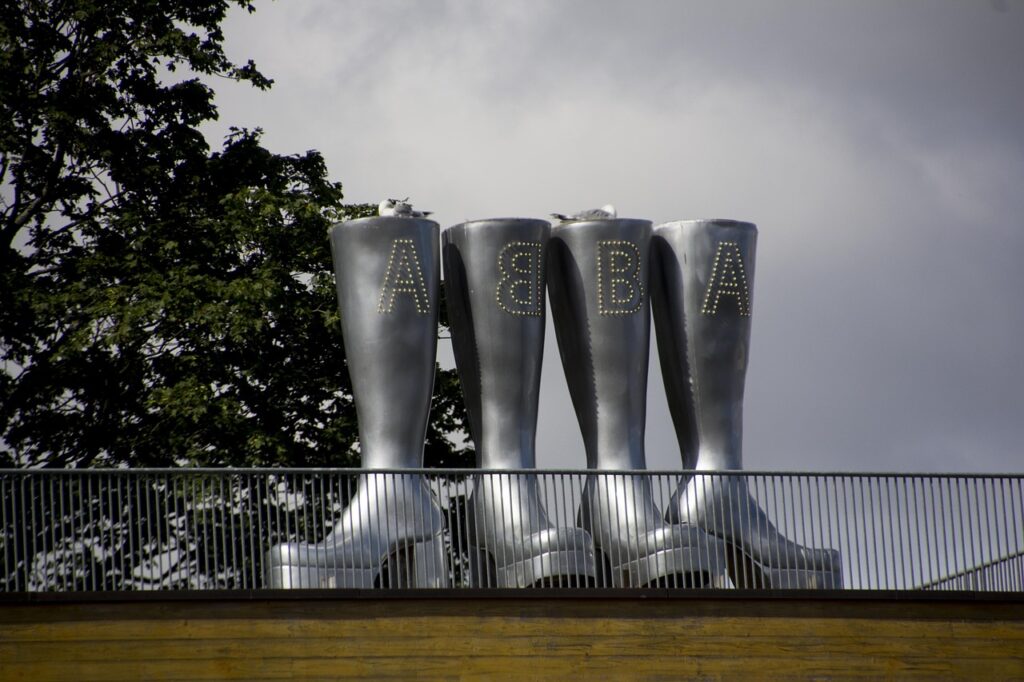
Address: Djurgårdsvägen 68, 115 21 Stockholm. Hours: 10:00–18:00 (extended in summer). Price: about €21–25 for adults, reduced for youth. Description: an interactive attraction dedicated to the pop group ABBA — costumes, reconstructed studios and audiovisual experiences. Very popular, family-friendly and busy in high season.
Overall tip
Add up the prices of the museums you definitely want to visit: if the total exceeds the pass price and your schedule allows it, the pass becomes worthwhile. For example, Vasa (~€18) + Fotografiska (~€18) + Skansen (~€20) = ~€56, a figure close to a one-day pass; but those three sites realistically take more than one day to visit properly, which points toward a 2–3 day pass or the Stockholm Card with transport for more flexibility.
When to buy: practical scenarios based on your needs and trip length
Whether to buy a pass depends on your priorities. Here are concrete scenarios to help you decide.
- Short trip (1–2 days) and fast pace: If you’re short on time and want to “see” lots of iconic spots quickly (e.g. a cruise, Vasa, SkyView observation, ABBA The Museum), the Stockholm Pass for 1–2 days can be cost-effective. Example: a hop-on hop-off boat + Vasa + SkyView + Fotografiska can quickly add up to €80–100 in separate tickets; a 2-day pass around €95–110 can therefore be a good deal. Note: expect long, tiring days.
- Medium stay (3–4 days): This is often the sweet spot. With 3 days you can amortize a 3-day pass if you combine major museums (Vasa, Skansen, Moderna, Fotografiska) and use public transport. If you also plan archipelago trips, check whether ferries are included in the pass or the Stockholm Card.
- Long stay (5+ days): Buy à la carte; favor the Stockholm Card if you’ll rely heavily on public transport and make trips to Djurgården and Södermalm. Long-duration passes sometimes don’t save much money compared to buying individual tickets if you’re taking your time.
- Family travel: Many passes offer good child rates or free entry for young kids. Check family policies: some museums charge per child while others are free. For families with small children, Skansen and Junibacken (children’s attraction at Djurgårdsvägen 29) can make up a large share of entertainment costs — in that case calculate individually.
- Contemporary art fans: If your focus is Moderna Museet, Fotografiska and the galleries on Södermalm, it can be cheaper to buy individual tickets because some major temporary exhibitions may require an extra fee on top of pass inclusion.
- Weather and flexibility: When it rains, museums become the natural choice and a pass pays off more. If your schedule is flexible, buy the pass locally or online with free cancellation if possible.
Practical tips to maximize a pass and avoid pitfalls
If you decide to take a pass, here are concrete tips to get the most out of it and avoid common mistakes.
- Plan by neighborhood: Group your visits by island/area: Djurgården (Vasa, Skansen, ABBA, Nordiska), Skeppsholmen/Norrmalm (Moderna, Nationalmuseum), Södermalm (Fotografiska, galleries). This reduces transfer time and increases how many attractions you can do each day.
- Reserve time slots for popular shows: For popular temporary exhibitions, book a timed entry even if the pass includes admission — some museums require advance reservation due to visitor limits (e.g. Fotografiska during major openings).
- Check opening hours and unexpected closures: Many museums close one day a week (often Monday for some) or have early closing days. Consult the museum’s official site (links on Visit Stockholm or the museum pages).
- Priority lines: Some passes offer fast-track access — useful at peak times (late June–August). If the pass doesn’t include priority, arrive early (or late afternoon for Fotografiska) to avoid crowds.
- Transport: If the pass doesn’t cover public transport, buy an SL card (Stockholm public transport) or the Stockholm Card which includes it. Ferries to Vaxholm or local archipelago boats can cost €6–12 separately.
- Shops and cafés: Many museums have excellent shops (designer souvenirs at Moderna, reproductions at Vasa). Discounts in shops rarely offset the pass price but make for a nice end to a visit.
- Use a “free museum” day: Nationalmuseum often offers free access to its permanent collection; plan that visit without paying and save your pass for other paid museums.
- Photography: Rules vary: often photos without flash are allowed, but not in all rooms. Follow the guidelines to protect the works.
Visiting off-season and events: when a pass changes value
Seasonality strongly affects a pass’s value. Stockholm attracts large tourist flows from June to August: museums are crowded, queues are longer and opening hours are extended, which allows you to visit more — an advantage for getting value from a pass. Conversely, in autumn and winter (November–March) many visitors turn to museums to stay warm, but some venues reduce hours.
Advantages of a pass in high season:
- Extended opening hours (more visiting time per day).
- Better value if you visit several major attractions.
- Some passes include priority access, valuable when queues are long.
Advantages off-season:
- Fewer crowds, a more immersive experience in museums like Vasa or Nordiska.
- Possibility to buy individual tickets at reduced prices during special offers.
- If you travel slowly, buying tickets à la carte is often wiser.
Events to watch for:
- Stockholm Art Week and openings at Fotografiska/Moderna can push up day-ticket prices and make the pass more attractive.
- National holidays (e.g. Midsommar in June): some museums close, so plan accordingly.
- Major temporary exhibitions (e.g. large international loans at Nationalmuseum): check if the show is included in the pass or requires a surcharge.
Sample itineraries for 1, 3 and 5 days
To help you picture how a pass might work, here are three sample itineraries. Each one says whether a pass is recommended and why.
1-day itinerary — express (pass recommended if you want to see it all)
Morning: Vasa Museum (Galärvarvsvägen 14), 10:00–12:00. Noon: lunch on Djurgården. Afternoon: ABBA The Museum (Djurgårdsvägen 68) 13:00–15:00, then Skansen 15:30–18:00 (if time). Evening: hop-on hop-off sunset cruise. Why the pass? Individual tickets often add up to more than a 1-day pass and you’ll save especially if the cruise and SkyView are included.
3-day itinerary — balanced cultural break (3-day pass or Stockholm Card)
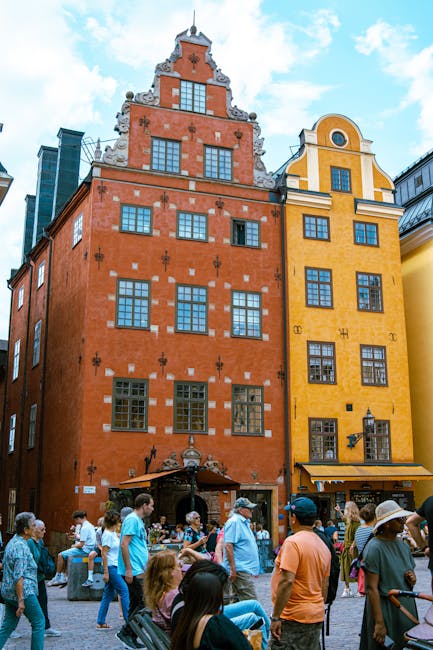
Day 1: Nationalmuseum (Södra Blasieholmshamnen 2) then a stroll through Gamla Stan (Old Town). Day 2: full Djurgården (Vasamuseet, Nordiska Museet, Skansen). Day 3: Moderna Museet (Skeppsholmen) and Fotografiska (Södermalm) in the evening. Why the pass? A 3-day pass or the Stockholm Card with transport keeps transport costs down and lets you visit multiple sites without rushing. Good choice if you want a broad cultural mix.
5-day itinerary — slow and deep (buying tickets individually usually better)
Days 1–2: in-depth exploration of Gamla Stan, the Nobel Museum (Strömgatan 2) and guided walks. Day 3: Djurgården (Skansen, Junibacken, Vasa). Day 4: contemporary art and small galleries in Södermalm (Fotografiska, Galleri Magnus Karlsson). Day 5: archipelago trips (Vaxholm) and visits to specialist museums. Why no pass? At this pace, buying individual tickets as you go is often cheaper and far less stressful.

Conclusion — choose deliberately for a successful trip
Deciding on a museum pass for Stockholm isn’t a binary “good” or “bad” choice, but an arbitration between time, cultural priorities, budget and travel rhythm. The Stockholm Pass (Go City-style offers) is often worthwhile for short, intense stays where you want to stack multiple paid attractions in a short period. The Stockholm Card, which includes public transport, is an excellent option for 2–4 days if you plan to use the metro, buses and ferries frequently — it brings flexibility and logistical simplicity.
Before buying, follow these three concrete steps: 1) list your priority museums; 2) add up the prices of individual tickets in euros (use the numbers above as a baseline but check official rates); 3) estimate the time needed and compare to the pass duration. Don’t forget practical details: reserve time slots for temporary exhibitions, check opening hours (some museums close certain days) and consider the season (high season = crowds and extended hours, low season = special offers and fewer people).
Finally, adapt the pass to your style: families should check child policies; art lovers should favor quality time in each museum over ticking off as many as possible. And above all, leave room for wandering between visits: Stockholm is revealed in its cafés, wooden bridges and water views at sunset. A successful cultural visit blends curiosity, downtime and discovery — and the right pass can be a useful tool if you understand its limits and plan realistically.