





Introduction: So what exactly is a museum pass in Stockholm?
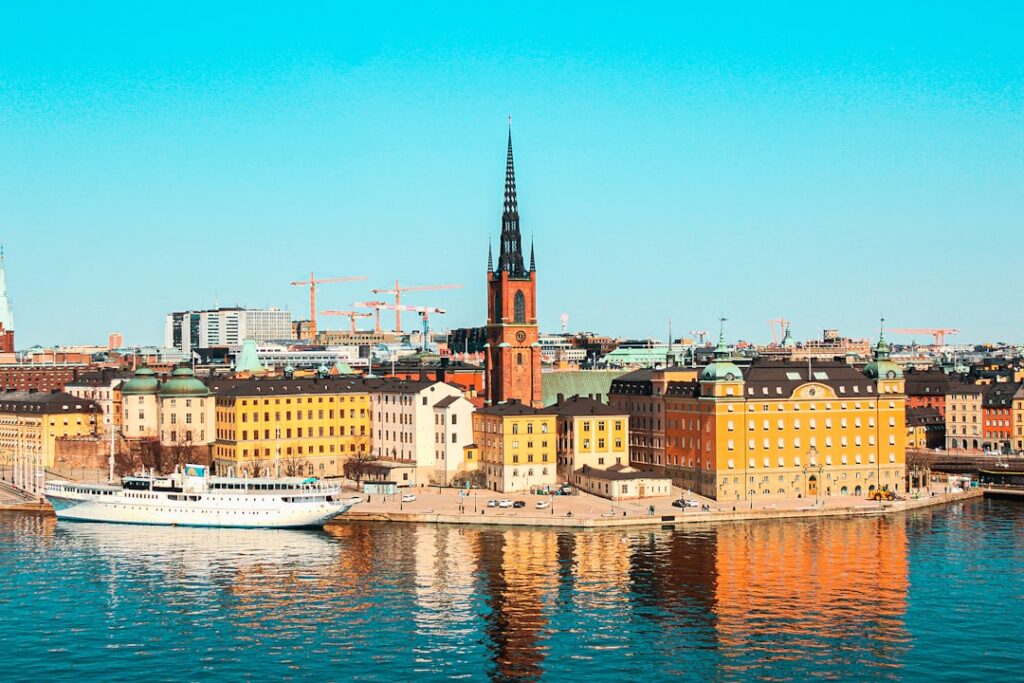
Stockholm feels like an open-air museum: a glittering archipelago, historic neighborhoods, royal palaces and world-class museums. For travelers keen to dive into Sweden’s history, art, music and everyday life, there are several cultural « passes » that promise savings and convenience. But what exactly does a Stockholm museum pass cover? Is it really worth it? Which sites are included, which ones are excluded, and what practical details (opening hours, addresses, audio options, guided tours) should you know? This detailed guide answers those questions by comparing the two main products visitors will encounter: the Stockholm Pass (an all-in-one tourist city card) and the Museum Card (Museumskortet), the museum-focused pass for Sweden.
Here’s the baseline: the Stockholm Pass is aimed at visitors who want quick access to a selection of paid attractions (museums, cruises, bus tours, palaces) for a limited period (24, 48, 72 hours, etc.). The Museum Card, on the other hand, targets residents and longer-stay visitors: it grants unlimited access to a large network of participating museums for an extended period (for example 12 months), ideal for art and history lovers who spread their visits over time.
This guide will go through, address by address and museum by museum, what’s truly included, what’s sometimes excluded (paid temporary exhibitions, audio guides, special tours), and provide practical information: estimated prices converted to euros for clarity, usual opening hours, time-saving tips (online booking, morning slots), and local tricks (transport, best seasons, combining visits with a cruise). You’ll also find tailored recommendations by traveler type: short-stay sightseer, art enthusiast, family with kids, or budget traveler.
To help you picture your trip, this guide includes visual cues — suggestions of photos to look for — and practical tips on using the pass (where to buy it, how to activate it, what to keep on you). Exact addresses and hours are given with a caveat that they can change by season or due to special events; we recommend checking each museum’s official website before you go. If you’re still torn between the Stockholm Pass and the Museum Card, read the “Detailed comparison” section carefully: you’ll know exactly which pass actually covers the places you want to see.
1) The Stockholm Pass: coverage, pricing, how it works and exclusions
The Stockholm Pass is a tourist city card that bundles admission to many paid attractions plus transport and cruise options. It’s sold for various durations: 24, 48, 72, 96 or 120 hours. The idea: buy the pass for a chosen length of time, activate it on first use, and then you get free entry to participating attractions during the activation period. It’s particularly suited to visitors who plan to pack a lot into a short stay.
Typical coverage (examples of included sites):
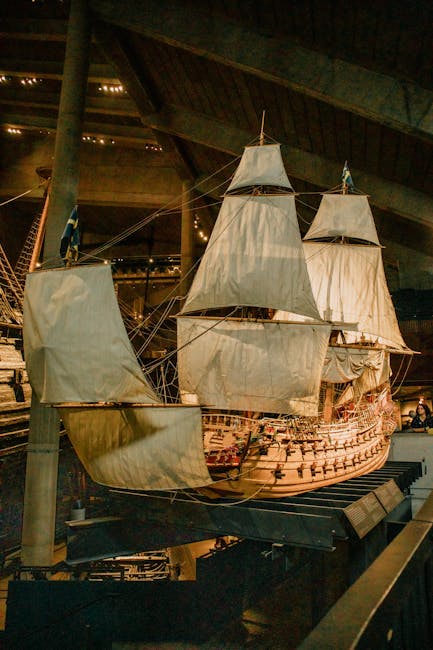
- Vasa Museum — Galärvarvsvägen 14, 115 21 Stockholm. Hours: typically 10:00–17:00 (seasonal variations). Description: a 17th-century warship, restored and displayed in a huge hall. Included: standard admission. Possible exclusions: special temporary exhibitions may require an extra fee.
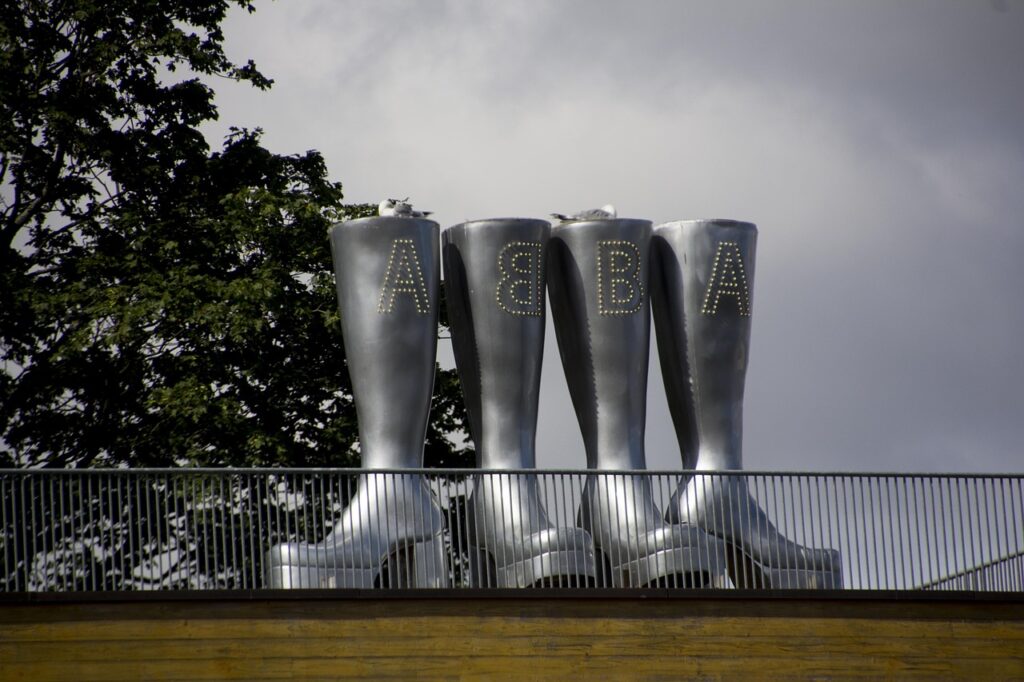
- ABBA The Museum — Djurgårdsvägen 68, 115 21 Stockholm. Hours: typically 10:00–17:00 (may vary). Description: an interactive ABBA experience. Included: admission; extra fees may apply for workshops or premium experiences.
- Skansen — Djurgårdsslätten 49–51, 115 21 Stockholm. Hours: 10:00–16:00 / 10:00–18:00 in summer. Description: open-air museum and historic zoo. Included: admission to permanent areas; some seasonal activities (workshops) may cost extra.
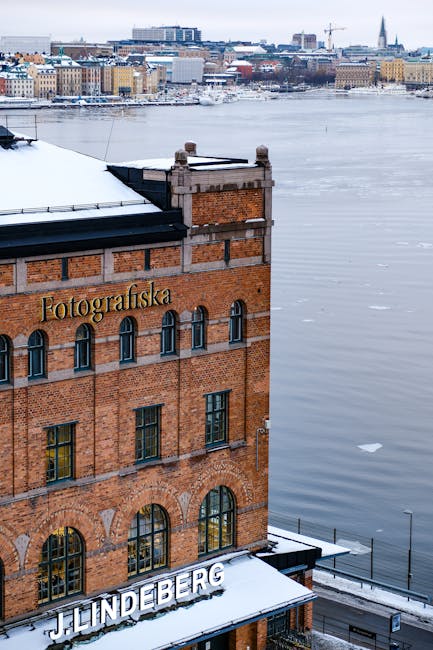
- Fotografiska — Stadsgårdshamnen 22, 116 45 Stockholm. Hours: 10:00–22:00 (often later on weekends). Description: contemporary photography museum. Included: admission to listed exhibitions; note that temporary shows may be excluded depending on the pass policy.
- Royal Palace (Kungliga Slottet) — Slottsbacken 1, 111 30 Stockholm. Hours: around 10:00–17:00. Description: one of Europe’s largest royal palaces. Included: entry to the royal museums (selected routes), while the changing of the guard is free and accessible without a pass.
Prices in euros (indicative, conversion may vary):
- Stockholm Pass 24 hours: roughly €65–75 for an adult.
- Stockholm Pass 48 hours: roughly €95–110 for an adult.
- Stockholm Pass 72 hours: roughly €120–140 for an adult.
Important notes:
- Advance booking: Some sites require time-slot reservations even with the pass (e.g. ABBA The Museum, Vasa Museum during high season). Check the official page for every attraction listed on your pass before you go.
- Temporary exhibitions: Special exhibitions or events (concerts, evening tours, paid workshops) can be excluded or carry a surcharge. The pass generally covers standard admission to permanent collections.
- Transport: Some versions of the Stockholm Pass include a hop-on-hop-off boat tour or an archipelago cruise. This depends on the package you choose; read the included options carefully.
- Validity: the pass activates on first scan and the duration runs continuously (e.g. 24 hours from activation). Plan your visits to get the best value.
2) The Museum Card (Museumskortet): long-term coverage, pricing and benefits for residents and frequent visitors
The Museum Card—often called Museumskortet (or Nationalmuseumkort for some offers)—is an annual subscription that gives access to a wide network of participating museums across Sweden. For someone staying just a few days in Stockholm, its value depends on how many visits you plan: if you expect multiple entries across different days or repeat visits, it can be cheaper than a short-term pass.
Main coverage in Stockholm (examples of included museums):
- Nationalmuseum — Södra Blasieholmshamnen 2, 111 48 Stockholm. Hours: 10:00–18:00 (sometimes closed Mondays). Description: collections of old and modern art, painting, sculpture and decorative arts. Included: full access to permanent collections and often standard temporary exhibitions (check conditions).
- Moderna Museet — Skeppsholmen 4, 111 49 Stockholm. Hours: 10:00–18:00 (late openings on Thursdays). Description: modern and contemporary art museum on Skeppsholmen. Included: admission to permanent collections and some temporary exhibitions depending on agreements.
- Nordiska Museet — Djurgårdsvägen 6, 115 93 Stockholm. Hours: 10:00–17:00. Description: museum of Swedish cultural history, costumes, crafts and traditions. Included: permanent exhibition admission.
- Östasiatiska Museet (Asian Museum) — Sjöfartsgatan 24, 115 21 Stockholm. Hours: 10:00–17:00. Description: East Asian art collections. Included: permanent exhibition admission.
Indicative price:
- Museum Card (12 months): around €40–55 for an adult (resident and non-resident prices are usually similar, but check current offers).
Specific advantages of the Museum Card:
- Lower cost per visit: If you plan 3–5 major museums over a longer stay, the card quickly pays off.
- Access to exhibitions: The Museum Card often includes entry to certain temporary exhibitions, unlike the Stockholm Pass which tends to limit coverage to permanent collections. This is a big plus for art lovers.
- Flexibility: Valid for 12 months, it’s ideal for temporary residents, students, and repeat visitors.
- Purchase and pick-up: You can buy the card online or at several participating museums (e.g. Nationalmuseum, Moderna Museet)—keep a printed or digital proof of purchase.
Limits:
- It generally doesn’t cover tourist boat tours, hop-on-hop-off cruises or non-museum attractions (private guided tours, restaurants).
- If your stay is short (48–72 hours) and you plan to visit many non-museum attractions included in the Stockholm Pass, the Museum Card may be less advantageous.
3) Real examples: calculating value based on your itinerary (practical scenarios)
To really understand what a pass covers, nothing beats a few example budgets. Here are three typical plans — quick weekend, family stay (4 days), art devotee (1 week) — with rough calculations in euros. Entry prices are indicative and may change; always check before you go.
Scenario A — Quick weekend (48 hours)
Typical itinerary: Vasa Museum + ABBA The Museum + Skansen + 1-hour archipelago cruise + one museum of your choice (Fotografiska or Moderna Museet).
- Vasa Museum admission: about €16.
- ABBA The Museum admission: about €25.
- Skansen admission: about €20.
- Archipelago/boat tour: about €18.
- Fotografiska admission: about €16.
Total without a pass: ~€95 per adult.
Stockholm Pass 48 h: roughly €95–110 (depends on promotions). Conclusion: if your plan includes many paid attractions plus a cruise, the Stockholm Pass can be worthwhile—especially if it covers included boat trips.
Scenario B — Family, 4 days in Stockholm
Typical itinerary: Skansen + Junibacken (children’s museum) + Vasa Museum + ABBA The Museum + Gröna Lund (if included) + strolling Gamla Stan (free but the Royal Palace visit is paid).
- Junibacken (children’s museum) — Galärvarvsvägen 8, 115 21 Stockholm. Hours: 10:00–17:00. Admission: about €17.
- Gröna Lund (seasonal amusement park) — Lilla Allmänna Gränd 9, 115 21 Stockholm. Prices vary; individual rides may cost extra; entrance roughly €15–25 in high season.
- Royal Palace (museums inside): about €14.
Approximate total if buying individual tickets: €100–150 per adult.
Conclusion: A 72 h or 96 h Stockholm Pass can cover most admissions and simplify logistics. For families it also reduces standing in line at individual ticket desks.
Scenario C — Art & history enthusiast, 7 days
Typical itinerary: Nationalmuseum + Moderna Museet + Fotografiska + Nordiska Museet + Östasiatiska Museet + Vasa Museum + temporary exhibitions.
- Nationalmuseum: free entry or €10–15 for some exhibitions (varies).
- Moderna Museet: €12–18 depending on the exhibition.
- Fotografiska: €12–18.
- Nordiska Museet: €12–15.
Approximate total if paying per visit: €60–90.
The Museum Card (€40–55) often proves cheaper here, especially if you plan to see temporary exhibitions included with the card. It also lets you return, attend talks or workshops without extra cost at most participating museums.
4) Practical details, exact addresses, opening hours and local tips to get the most from your pass
Addresses and hours (typical examples; check official sites for confirmation):
- Vasa Museum — Galärvarvsvägen 14, 115 21 Stockholm. Hours: 10:00–17:00 (high season 09:00–18:00). Admission: ~€16.
- ABBA The Museum — Djurgårdsvägen 68, 115 21 Stockholm. Hours: 10:00–17:00. Admission: ~€25.
- Skansen — Djurgårdsslätten 49–51, 115 21 Stockholm. Hours: 10:00–16:00 (varies), summer up to 18:00. Admission: ~€20.
- Fotografiska — Stadsgårdshamnen 22, 116 45 Stockholm. Hours: 10:00–22:00 (depending on the day). Admission: ~€16.
- Nationalmuseum — Södra Blasieholmshamnen 2, 111 48 Stockholm. Hours: 10:00–18:00 (occasionally closed Mondays). Admission: variable, sometimes free for certain sections.
- Moderna Museet — Skeppsholmen 4, 111 49 Stockholm. Hours: 10:00–18:00, late on Thursdays. Admission: ~€12–18 depending on the show.
- Nordiska Museet — Djurgårdsvägen 6, 115 93 Stockholm. Hours: 10:00–17:00. Admission: ~€12.
- Royal Palace (Kungliga Slottet) — Slottsbacken 1, 111 30 Stockholm. Hours: 10:00–17:00. Museum admission: ~€14.
- Junibacken — Galärvarvsvägen 8, 115 21 Stockholm. Hours: 10:00–17:00. Admission: ~€17.
Practical tips to optimize your pass:
- Buy online: Purchase your pass from the official site to catch occasional discounts and skip queues. Download the digital pass to your phone and keep the confirmation email handy.
- Activate smartly: Don’t activate the pass on your arrival day if you arrive late—activate it the next morning to get a full day’s value.
- Reserve time slots: For Vasa Museum and ABBA The Museum in high season, book a time slot online to avoid disappointment. Even with the pass, access can be limited if an attraction is sold out.
- Transport: Use the SL public transport card if you plan many trips. The Stockholm Pass can include some boat trips; if not, you’ll need to buy separate boat tickets.
- Off-peak hours: Visit early in the morning (or late evening where allowed) to avoid crowds. Fotografiska, for instance, is often quieter weekday mornings and lively in the evenings (café and views).
- Groups and families: Look for family rates or child discounts: many museums offer free or reduced entry for under-18s.
- Language: Museums usually provide panels in English; some offer English audio guides—sometimes free, sometimes paid. Check whether an audio guide is included with your pass.
- Check extras: Special guided tours, workshops, evening events and certain temporary exhibitions aren’t automatically included—ask at the front desk.
5) Local tips, recommendations by visitor type and common mistakes to avoid
Useful local tips:
- Best time to go: High season (June–August) brings long opening hours and good weather but also more tourists. Spring (May) and autumn (September–October) usually offer pleasant weather and fewer crowds.
- Getting around: Stockholm has an efficient metro (Tunnelbana), buses and ferries. To reach Djurgården (home to Vasa Museum, ABBA The Museum, Skansen), take the tram, bus or a sightseeing ferry from Strömkajen.
- Allow enough time: Some museums (Vasa, Nordiska, Nationalmuseum) need 1.5–3 hours for a satisfying visit. Don’t overbook your activation day.
- Comfort: Bring a water bottle and comfortable shoes: many sites involve walking or standing for long periods and Stockholm can be windy along the quays.
- Food: Museums often have decent cafés (Fotografiska is known for its café and sea views). Meal budget: €10–25 per person depending on choice.
Recommendations by traveler profile:
- Short-stay visitor: Choose the Stockholm Pass, plan 2–3 major attractions per day, book ahead and stick to included sites to make it pay off.
- Art lover: Go for the Museum Card if you plan to visit Nationalmuseum, Moderna Museet, Fotografiska and other galleries across several days. You’ll be able to take your time.
- Family: Look for family deals; combine Skansen + Junibacken + Vasa for a mix of living history and kid-friendly activities. Check child age cutoffs and buy skip-the-line tickets when possible.
- Budget traveler: Research free museum sections (some parts of Nationalmuseum can be free or discounted), and use one pass for the paid attractions you don’t want to miss.
Common mistakes to avoid:
- Not checking opening hours: several museums close one day a week or have reduced winter hours.
- Assuming everything is included: always verify the official list of attractions covered by your pass; temporary exhibitions are often excluded.
- Activating the pass too early: you might waste valuable hours if you activate it late on your arrival day.

Conclusion: The Stockholm museum pass — verdict and concrete recommendations
In short, what a Stockholm museum pass « really » covers boils down to your travel profile and schedule. The Stockholm Pass is a turnkey solution for squeezing a lot into a short stay: it often bundles access to iconic museums (Vasa Museum, ABBA The Museum, Skansen), cruises and hop-on-hop-off tours, and can save you time and money if you check many paid attractions in a compressed timeframe. Its main benefit is simplified logistics—one ticket for many entries—and good value on dense itineraries.
Conversely, the Museum Card (Museumskortet) is better suited to long-stay visitors or temporary residents. For a price usually lower than the combined cost of 3–5 major museum entries, you get extended access and the flexibility to return, see temporary exhibitions and take part in cultural events throughout the year. Art and history enthusiasts will often find the Museum Card the smarter choice if their visits span several days or repeat trips.
Practical tip: before buying, list the museums and attractions you absolutely want to visit, note their individual admission prices (we provided euro estimates in this guide) and compare with the pass cost. Don’t forget extras that may not be included: audio guide fees, workshops, museum cafés, and necessary time-slot reservations (Vasa Museum, ABBA The Museum). Finally, to get the most from your visit: buy online, activate at the right moment, reserve time slots, aim for off-peak hours, and combine the pass with an SL transport card if needed.
Stockholm offers a remarkable cultural wealth, and a museum pass can be a handy tool to explore it without stress. Whether you opt for the Stockholm Pass for an intense immersion or the Museum Card for a deeper discovery, this guide helps you understand what’s actually covered so you can plan smart, efficient and memorable visits. Safe travels, and enjoy Stockholm’s cultural treasures—from the varnished timber of the Vasa to Fotografiska’s panoramic views, the living history at Skansen, and the contemporary energy of Moderna Museet.