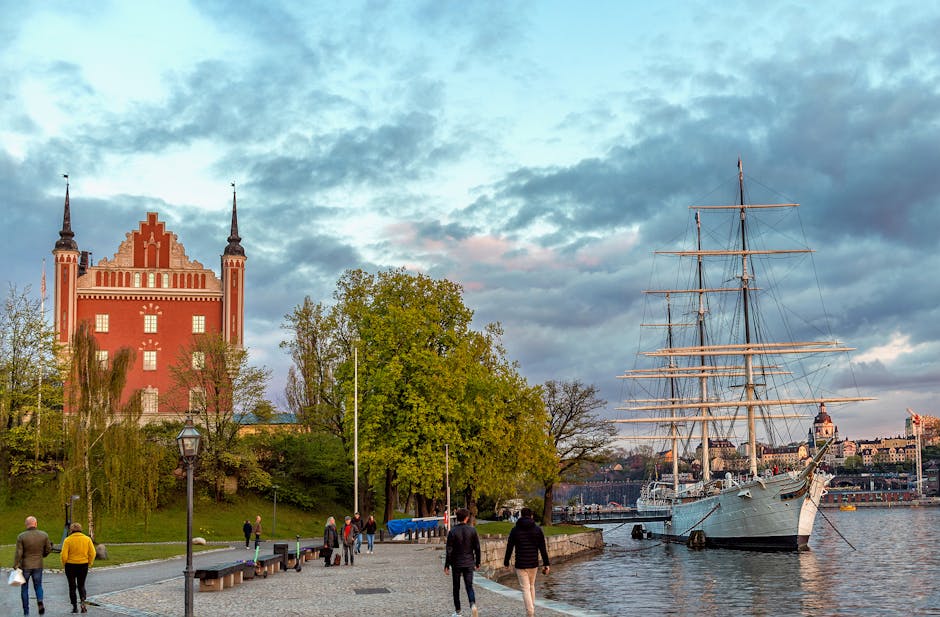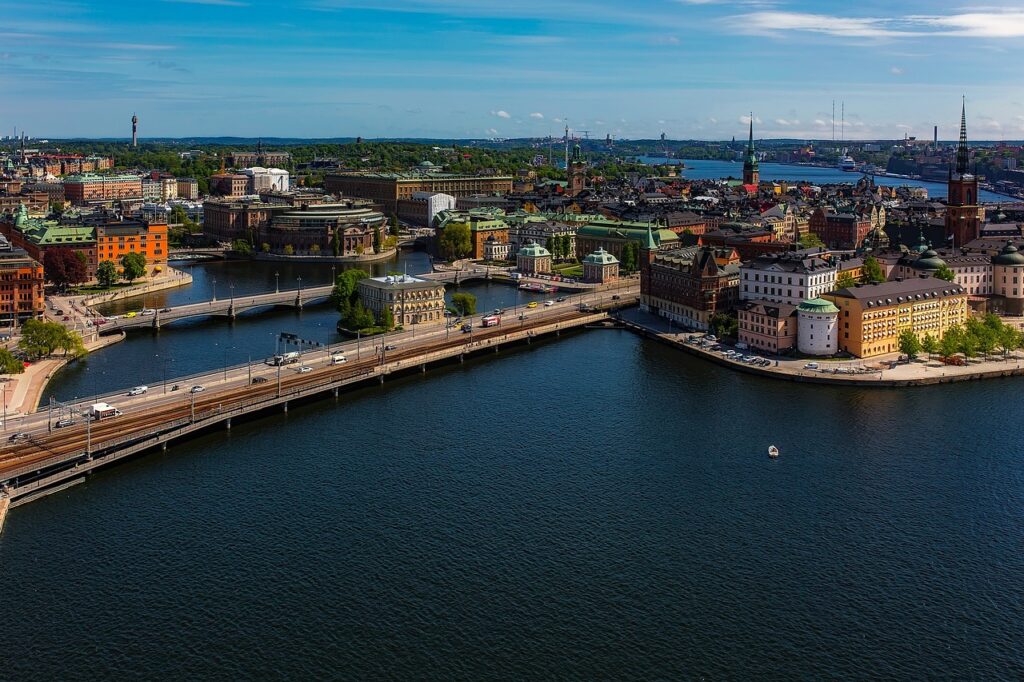






Introduction: Why Knowing Stockholm’s Passes Will Change Your Visit
Stockholm — the Swedish capital spread across 14 islands linked by 57 bridges — is packed with things to do: world-class museums, leafy islands, medieval streets in Gamla Stan and scenic waterfront strolls. To make the most of the city without wasting time or blowing your budget, it helps to understand the different passes and cards available: SL (the public transit network), the Stockholm Pass (an all-in-one tourist pass that covers many attractions) and the Museikortet (the annual national museum card). This comprehensive guide breaks down how each product works, where to buy them, approximate prices in euros, which attractions are included and — most importantly — when each option makes sense depending on your travel style.
Picking the wrong pass can quickly turn a smooth trip into a string of queues and one-off ticket purchases. The right choice, on the other hand, simplifies transport, cuts entrance fees and lets you focus on the experience: wandering Gamla Stan (Stortorget 2, 111 29 Stockholm), marveling at the Vasa ship at the Vasa Museum (Galärvarvsvägen 14, 115 21 Stockholm) or visiting Fotografiska (Stadsgårdshamnen 22, 116 45 Stockholm) without having to pay at every stop. You’ll find practical details here: exact addresses, typical opening hours, prices converted to euros as a guideline, immersive descriptions of sights and local tips to make the most of your days.
You’ll also get concrete recommendations: if you’re staying 2 days and plan to see three major museums plus a boat, which pass gives you the best value? Where should you buy your SL card before arrival? Which museums accept the Museikortet and which don’t? We cover usual opening times (always double-check online before you go since hours change in low season or during holidays), purchase points — for example Pressbyrån, 7-Eleven and ticket machines in stations — and the exact tourist spots to prioritize. By the end of this article you should be able to decide which pass to buy, where to pick it up, how to use it and how to combine transport and sightseeing to save time and money.
Finally, we include local tips — like avoiding peak rush hours (7:30–9:00 and 16:00–18:00), where to find power outlets to charge your phone while travelling, and how to use SL’s public ferries to reach Djurgården and the archipelago. The Swedish transit system’s zone maps can look technical, but we simplify them here: zones, validity and walking alternatives. Whether you’re traveling solo, with family or in a group, understanding these passes will help you explore Stockholm efficiently and with peace of mind.
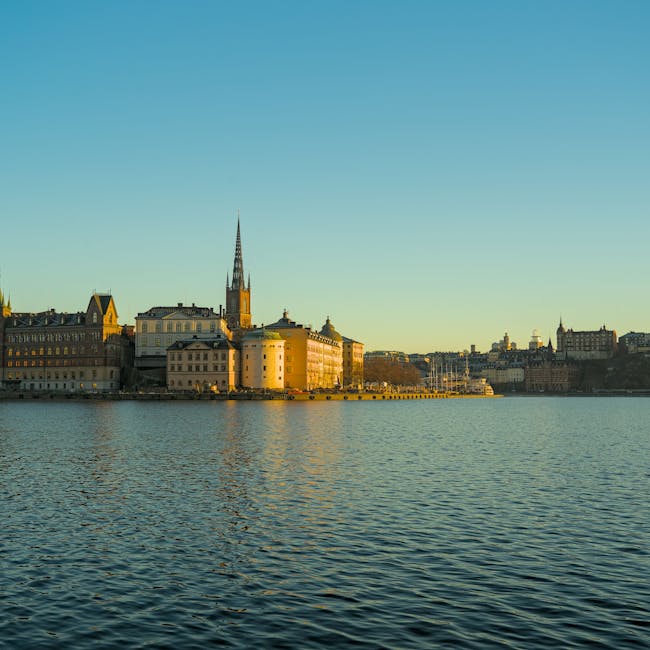
Understanding SL: Tickets, Access Card and Public Transport
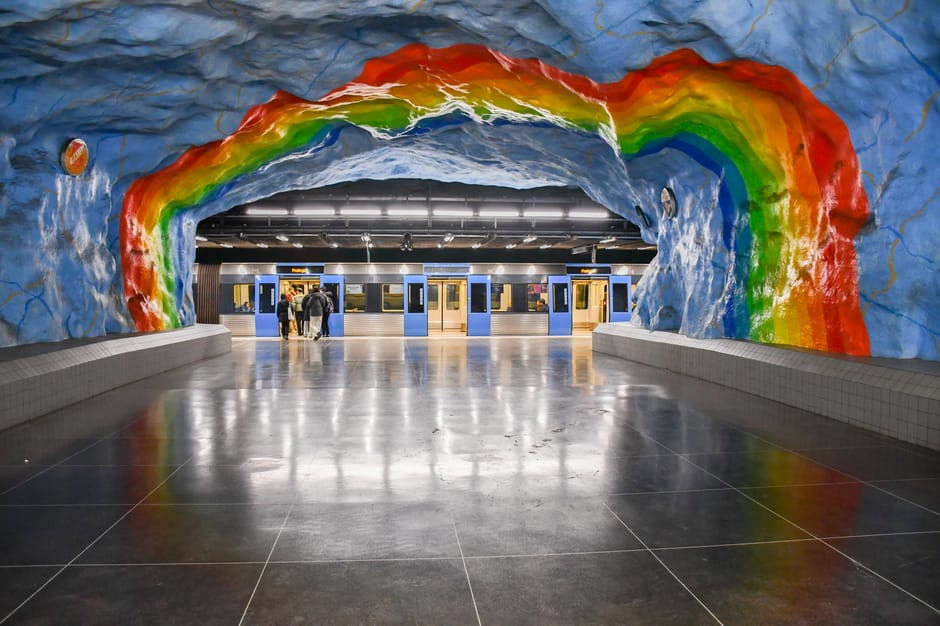
SL (Storstockholms Lokaltrafik) runs Stockholm’s public transport: the metro (Tunnelbana), buses, trams, commuter trains (pendeltåg) and certain ferries. SL uses a rechargeable card called « SL Access » that stores travel products (single tickets, time-based passes). Tickets must be validated when boarding a vehicle or at station gates. Main sales points include SL Centers (for example SL Center at T-Centralen, Vasagatan 1, 111 20 Stockholm), ticket machines in stations, Pressbyrån and 7-Eleven kiosks, or via the SL mobile app (iOS/Android).
Types of fares and approximate prices in euros (indicative — check SL’s official site before travel):
- Single journey ticket: valid for 75 minutes with transfers. About 39 SEK ≈ €3.40.
- 24 hours (SL 24h): unlimited travel within the chosen zone for 24 hours. About 165 SEK ≈ €14.35.
- 72 hours (3 days): unlimited travel for 72 hours. About 325 SEK ≈ €28.26.
- 7 days: unlimited travel for 7 days. About 395 SEK ≈ €34.35.
- Access Card: a small initial deposit (often 20 SEK ≈ €1.75) for the physical card; then load the fares above onto it.
Hours and coverage: Stockholm’s metro generally runs from around 05:00 to 01:00 on weekdays; at night, night buses (nattbussar) cover certain routes. Pendeltåg trains run frequently between major stations: Stockholm Central (Address: Vasagatan 10, 111 20 Stockholm) and destinations like Nynäshamn or Uppsala. SL ferries to Djurgården (handy for the Vasa Museum, Skansen and ABBA The Museum) depart from places such as Slussen (Address: Slussen, 118 48 Stockholm) and Strandvägen (Address: Strandvägen 1, 114 56 Stockholm).
Practical tips:
- Validation required: skip validation and you risk a fine — spot checks are common on metros and buses. Tap your Access card on the yellow/silver reader or scan your mobile ticket.
- Zones: if you stay mainly in the center (Zones A and B), a 24-hour ticket covers most major sites; for Arlanda Airport you’ll need a special train (Arlanda Express) which is not covered by SL — Arlanda Express typically costs around €30 one-way.
- Buy ahead: the SL app lets you buy tickets before you arrive. If you prefer a physical card, pick up an SL Access at the first station or SL Center.
- Groups and families: children under 7 often travel free; reduced fares exist for youths and students (carry ID).
The Stockholm Pass: How It Works, What’s Included & Is It Worth It?
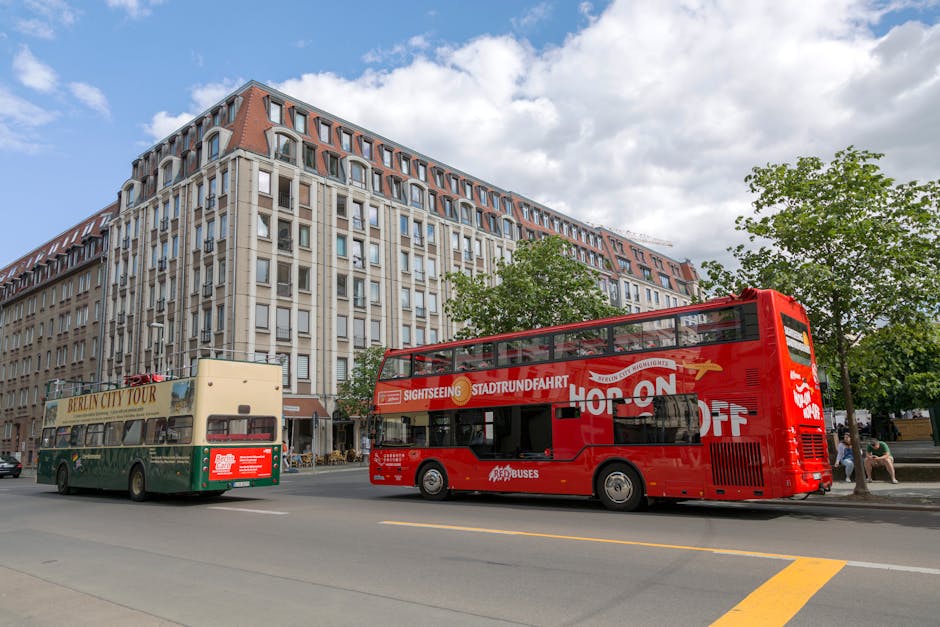
The Stockholm Pass is a time-limited tourist card that grants free entry to a bundle of museums, attractions and sightseeing tours, and sometimes includes certain tourist transport options (for example the Hop-On Hop-Off bus). It’s aimed at visitors who want to see several paid attractions in a short period. Collection points include the Stockholm Visitor Center (Stockholm Visitor Center, Sergels Torg 57, 111 57 Stockholm) and various partner kiosks; you can also buy it online and activate it at your first attraction visit.
Indicative adult prices in euros (subject to promotions and seasonal changes):
- 24 hours: ≈ €69.
- 48 hours: ≈ €99.
- 72 hours: ≈ €129.
- 120 hours (5 days): ≈ €179.
The pass typically covers popular attractions such as:
- Vasa Museum — Galärvarvsvägen 14, 115 21 Stockholm; usual opening 10:00–17:00 (longer hours in summer). A regular adult ticket costs around 190 SEK ≈ €16.50.
- Skansen (open-air museum) — Djurgårdsvägen 49-51, 115 21 Stockholm; 10:00–16:00/18:00 depending on season. Adult entry about 195 SEK ≈ €17.
- ABBA The Museum — Djurgårdsvägen 68, 115 21 Stockholm; 10:00–18:00. Adult ticket about 250 SEK ≈ €21.75.
- Fotografiska — Stadsgårdshamnen 22, 116 45 Stockholm; open until 23:00 some days. Adult ticket about 170 SEK ≈ €14.80.
- Hop-On Hop-Off Bus — departures from Norrmalmstorg, Strandvägen; regular tours throughout the day.
Benefits of the Stockholm Pass:
- Simplicity: skip-the-line access at some attractions and a single payment for multiple visits.
- Potential savings: it can pay off if you visit three to four major paid attractions per day (for example Vasa + ABBA + Skansen). Add up individual entrance fees and compare with the pass price.
- Tourist transport included: the Hop-On Hop-Off bus is often included, which helps reposition your itinerary without worrying about SL connections.
Limits and downsides:
- Time pressure: trying to “get your money’s worth” can push you into a hectic pace and turn sightseeing into a race.
- Not all-inclusive: some temporary exhibitions, special experiences or archipelago boat trips aren’t covered.
- Comparison: for longer stays (over 3–4 days) or if you prefer small free galleries, the pass may be less cost-effective than buying tickets separately or combining SL + Museikortet.
Museikortet (Stockholm Museum Card) and Other Museum Cards Explained
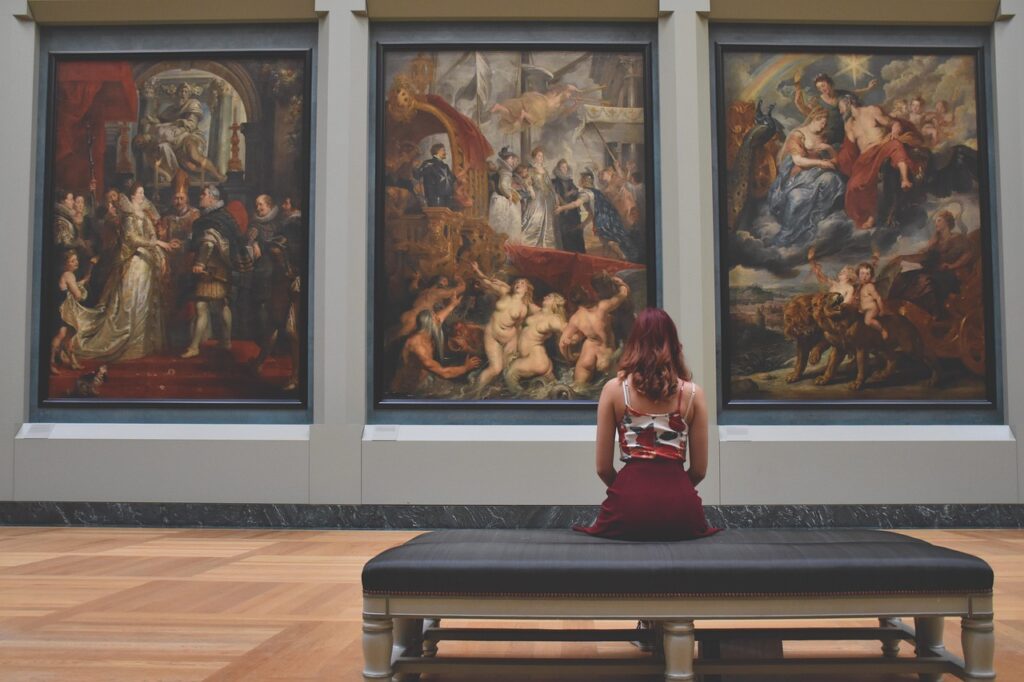
The Museikortet is an annual museum card that’s especially attractive if you love museums or plan a longer stay (or repeat visits). One purchase gives unlimited access to a wide selection of museums and historic sites across Sweden — many of them in Stockholm — for 12 months from activation.
Indicative prices (as of 2024):
- Museikortet (adult): ≈ 860 SEK ≈ €75. (card valid for 12 months from activation)
- Youth or reduced rate: often around 430 SEK ≈ €37.50 depending on age brackets.
Examples of museums included in Stockholm (not exhaustive — check Museikortet’s site for the full list):
- Vasa Museum — Galärvarvsvägen 14, 115 21 Stockholm. The magnificently preserved 17th-century ship instantly transports you back in time.
- Moderna Museet — Exercisplan 4, 111 49 Stockholm. A top collection of modern and contemporary art with high-profile temporary shows.
- Nationalmuseum — Södra Blasieholmshamnen 2, 111 48 Stockholm. Treasures of painting, sculpture and decorative arts.
- Skansen — Djurgårdsvägen 49-51, 115 21 Stockholm. An open-air museum and zoo — a living history of Sweden.
- Historiska Museet (Historical Museum) — Narvavägen 13-17, 114 84 Stockholm. Viking and medieval collections.
Advantages:
- Perfect for long stays: if you’re in town for one or more weeks or like returning to museums for different temporary shows, the card quickly pays for itself.
- Simple and flexible: no need to tally up costs per visit — enter and exit as you like.
- Cultural support: the card encourages exploring smaller institutions that are less touristy but equally rewarding.
Drawbacks and limits:
- Upfront cost: the initial investment is higher than a short-term pass; you need many visits to amortize it.
- Doesn’t cover transport: unlike the Stockholm Pass, Museikortet doesn’t include SL travel — combine it with an SL Access card if you need transport included.
- Roster changes: museums can join or leave the program; check the current list before buying.
Combining Passes, Suggested Itineraries and Local Money-Saving Tips
The key to getting the most value from passes is the right combination based on your length of stay and interests. Here are practical scenarios and sample itineraries with rough cost calculations to help you decide:
Scenario A — Short stay (1–2 days): you arrive Friday morning and leave Sunday.
- Tip: go for a Stockholm Pass 48 hours if you plan to visit the Vasa Museum (≈ €16.50), ABBA Museum (≈ €21.75), Skansen (≈ €17) and a Hop-On Hop-Off tour (≈ €30 separately). Totaling those: roughly €85–90 — the €99 pass can be worthwhile and saves you the hassle of buying separate tickets.
- Suggested route: Day 1 — Gamla Stan (self-guided walk), the Royal Palace (Slottsbacken 1, 111 30 Stockholm; typical visits 10:00–16:00), then Vasa Museum in the afternoon; Day 2 — Skansen + ABBA The Museum, finishing with a late-afternoon cruise.
Scenario B — Mid-length stay (3–5 days) and museum-focused:
- Tip: combine a SL 72-hour pass (≈ €28) with the Museikortet if you plan to visit >6 museums in a week. The Museikortet at ≈ €75 becomes cost-effective if you hit several major museums and a few smaller exhibitions.
- Suggested route: Moderna Museet + Fotografiska + Nationalmuseum + Historiska + a contemporary art space, alternating with walks around Djurgården and archipelago cruises.
Scenario C — Family with kids:
- Tip: many attractions offer free or reduced tickets for kids — check age rules. Families often save more by buying individual attraction tickets for major highlights and a SL 24–72h pass for transport.
Local tips and practical advice:
- Off-peak hours: visit museums early morning or late afternoon to avoid crowds. Fotografiska’s late hours (often until 23:00) make it a great evening option.
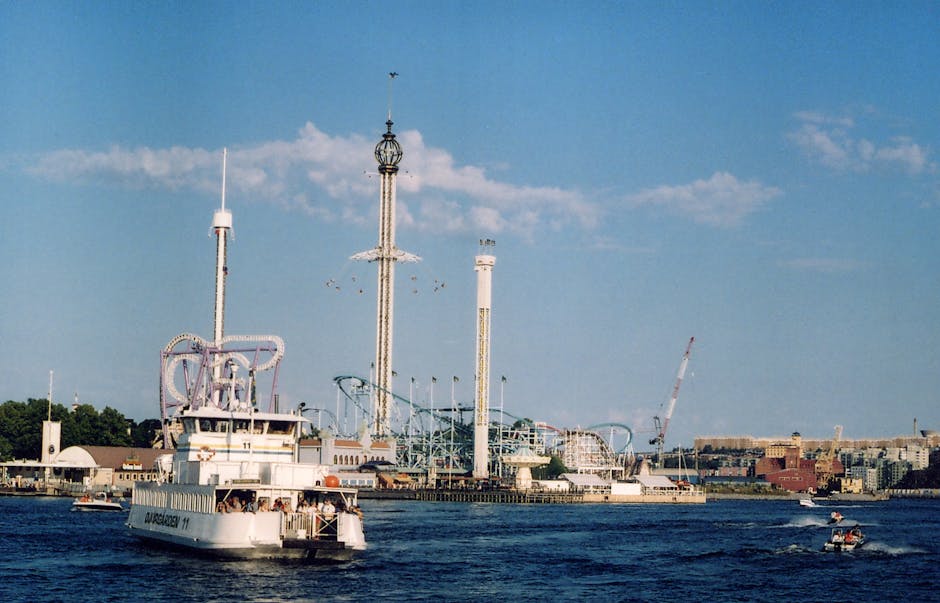
- SL ferries to the archipelago: use SL’s public ferries (for example the Djurgården ferry) if your SL pass is active; enjoy the seaside views on the trip from Slussen to Djurgården.
- Reservations: some timed-entry attractions (like ABBA The Museum) require bookings even if you have a pass — check in advance to avoid being turned away.
- Converting prices: most tickets are listed in SEK; euro conversions here are indicative (average rate 1 EUR ≈ 11.5 SEK). Prices vary with exchange rates and seasonal promotions.
- Maps and tourist offices: The Stockholm Visitor Center (Sergels Torg 57, 111 57 Stockholm) is a great place to buy and compare passes in person, pick up maps and ask for local advice.
Conclusion: Which Pass Should You Choose?
There’s no one-size-fits-all answer — the « best » pass depends on your length of stay, pace, the attractions you want to visit and how much you’re willing to pack into each day. In general:
- For a very short trip (1–2 days) where you want to hit the main sights, the Stockholm Pass can offer simplicity and sometimes clear savings, especially if you use the Hop-On Hop-Off service.
- For mid-length stays (3–5 days) and museum lovers, pairing a SL 72-hour or 7-day ticket with the Museikortet often gives the best value and flexibility — the Museikortet shines if you want to explore at a local pace, revisit exhibitions or visit smaller museums.
- If you’re mostly staying central and doing few paid attractions, a SL 24h/72h ticket alone will usually suffice and save you from buying an expensive pass you won’t use fully.
Final tip: before buying, do a quick cost check — list the paid attractions you plan to visit, add up adult ticket prices in euros and compare to pass costs. Also think time: a pass can look economical but if you physically can’t visit several places in a short span, it loses value. Always verify official opening hours: Vasa Museum (Galärvarvsvägen 14, 115 21 Stockholm) usually opens at 10:00; Fotografiska (Stadsgårdshamnen 22, 116 45 Stockholm) may stay open late; Skansen (Djurgårdsvägen 49-51, 115 21 Stockholm) has season-dependent hours. For real-time updates on prices and inclusions, check: SL (sl.se), Stockholm Pass (stockholmpass.com) and Museikortet (museikortet.se).
In short: plan a realistic itinerary, pick the pass + SL combo that fits that plan, and enjoy the city at your own pace. Stockholm is a place to explore on foot and by ferry — leaving room for serendipity (a coffee on Strandvägen, a pop-up gallery, a sunset on Skeppsholmen) will make your trip memorable as well as economical.