





Introduction — Panorama des tendances végétariennes à Stockholm en 2026
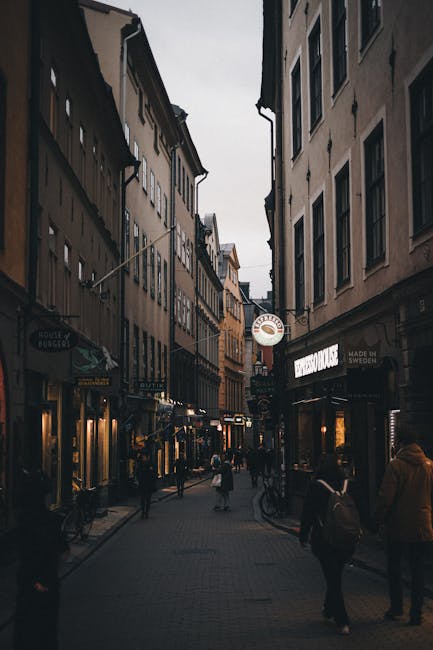
Stockholm, the Scandinavian capital famed for its clean design, environmental commitment and inventive food scene, has seen its vegetarian and plant-based cuisine evolve rapidly in recent years. By 2026 the city is no longer just a stop for lovers of traditional Swedish fare: it’s a culinary lab where chefs, food-tech startups and local producers collaborate to rethink proteins, root vegetables and fermented foods. This guide offers a comprehensive look at vegetarian trends in Stockholm in 2026, combining exact addresses, opening hours, price ranges and immersive descriptions to help visitors and locals navigate this vibrant scene.
Throughout this guide you’ll find iconic restaurants that have shifted to fully vegetarian menus, neighborhood canteens serving traditional Swedish dishes reworked without meat, café-shops selling artisanal plant-based cheeses, and markets and local initiatives that champion short supply chains and fermented products. Stockholm in 2026 places a strong emphasis on sustainability: using local ingredients (beets, new potatoes, kale), promoting alternative proteins (peas, mushrooms, mycoprotein), and cutting food waste are central to what’s on offer.
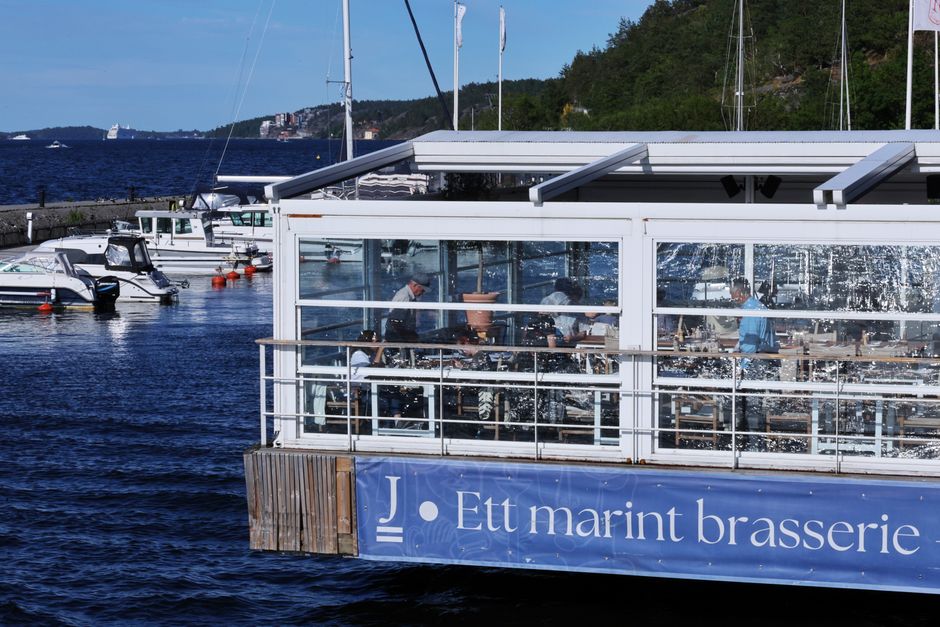
This isn’t just a list of places to eat. You’ll get detailed atmospheres — sun-drenched terraces, dining rooms with large windows overlooking the archipelago, wooden counters and soft lighting — plus local tips to make the most of your visits (best times to avoid queues, signature dishes to share, food and drink pairings). Prices are shown in euros for easier budgeting; remember that service is generally included in Sweden. Hours are current for 2026, but double-check before you go, especially around holidays or the culinary festivals that liven up the city in summer.
The recent evolution is driven by several forces: growing consumer demand for healthy alternatives, the rise of Swedish food-tech companies producing meat substitutes, and political will to reduce the food sector’s carbon footprint. This guide also highlights events and community initiatives (collaborative vegetarian brunches, fermentation workshops, « zero waste » markets) that demonstrate the vitality of the vegetarian scene. Whether you’re a strict vegetarian, a curious flexitarian or just after a sustainable culinary experience, this Stockholm 2026 overview gives you the tools to fully enjoy the city’s vegetarian movement.

Neighborhoods and must-visit spots — where to eat vegetarian in Stockholm
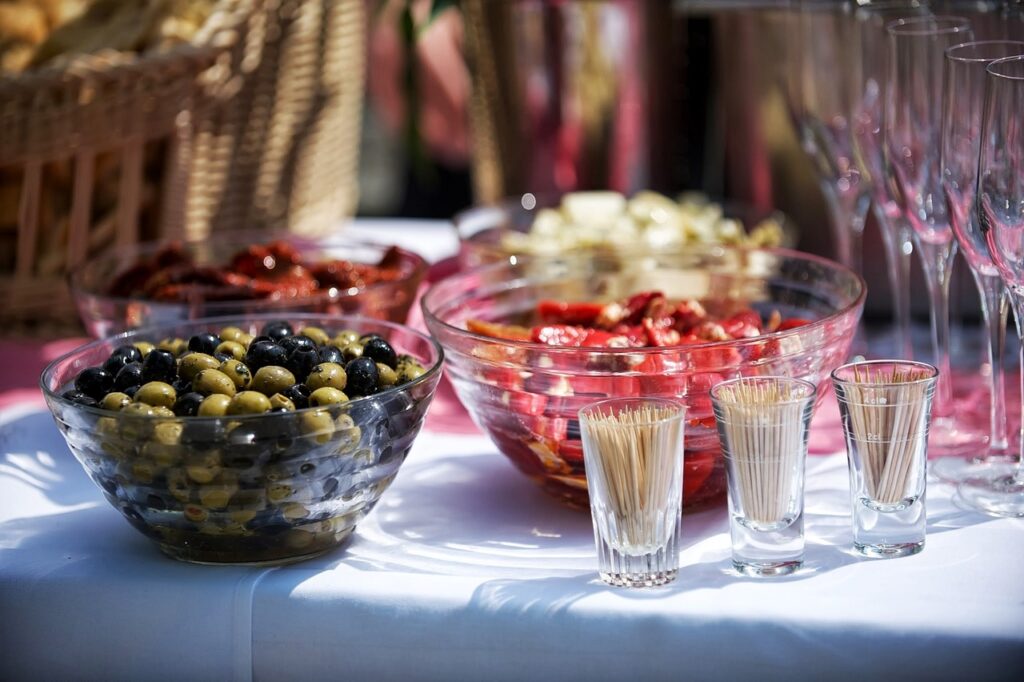
Stockholm is made up of several islands and distinct neighborhoods, each with its own culinary character. Södermalm, Östermalm, Norrmalm and Djurgården host most of the vegetarian innovation, but don’t overlook Kungsholmen and Vasastan where neighborhood canteens and plant-based bakeries are popping up. Here’s a selection of representative spots, with exact addresses, hours and price ranges.
Hermans — vegetarian buffet with a view
Hermans, Fjällgatan 23B, 116 28 Stockholm. Open daily 11:30–20:00 (Fridays and Saturdays until 21:00). Price: lunch buffet/adult €18.50; dinner buffet/adult €22.00. This iconic restaurant on the heights of Södermalm offers a panoramic terrace over the archipelago and a hearty vegetarian buffet focused on seasonal hot dishes, creative salads, rustic breads and homemade desserts. The experience is communal: some items are self-serve and paid by weight while others are fixed-price. Local tip: arrive around 18:00 on weekdays to catch the sunset without the crowds.

Oaxen Slip & Oaxen Krog — sustainable fine dining
Oaxen Slip (casual), Beckholmsvägen 26, 115 21 Stockholm. Open daily 12:00–22:00. Prices: à la carte €14.00–28.00. Oaxen Krog (fine dining), Djurgårdsvägen 36, 115 21 Stockholm. Open Tuesday–Saturday 18:00–22:30, tasting menu €95.00–135.00 (vegetarian on request). Both addresses on Djurgården emphasize local produce and wild ingredients. Oaxen Slip offers Nordic vegetarian dishes like roasted beets with kombu and a « rödbetsbiff » (beet steak) served with a selection of lacto-fermented vegetables. Oaxen Krog, a multiple award-winning restaurant, can create a creative plant-based tasting menu if booked in advance. Reserve at least two weeks ahead for Oaxen Krog.
Fotografiska Bistro — inventive plant-based cuisine
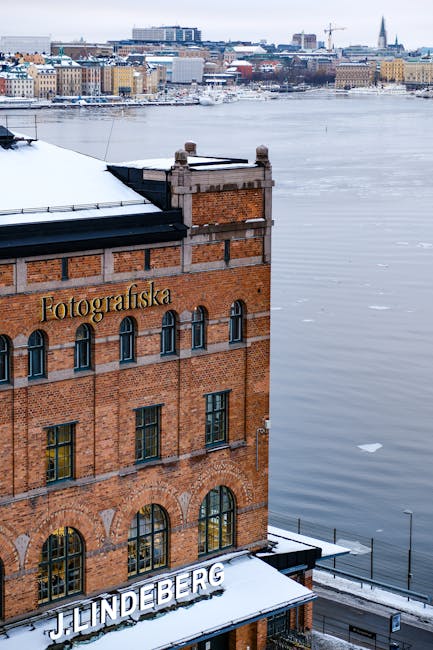
Fotografiska Bistro, Stadsgårdshamnen 22, 116 45 Stockholm (Fotografiska museum). Hours: daily 09:00–22:00 (restaurant until 21:30). Prices: mains €16.00–29.00. The museum bistro has become a go-to spot for refined plant-based cuisine, with strong focus on presentation and Nordic flavors. Plates are often meant to be shared: beet tartare with wholegrain mustard, a wild mushroom dish and smoked oat mousse. The setting, overlooking the water and with rotating photography exhibitions, makes the experience doubly immersive. Tip: leave time to browse the exhibitions and book dinner for the nighttime harbor view.
Things to know
- Prices are shown in euros; VAT and service are generally included in Swedish restaurants.
- Stockholm favors local, seasonal produce: expect menus to change every few weeks.
- Reservations: for fine-dining and popular spots (Oaxen, Fotografiska), book 7–14 days in advance.
Culinary trends 2026 — ingredients, techniques and innovations
In 2026 several trends shape vegetarian cooking in Stockholm. There’s a merging of Nordic traditions (fermentation, preservation, use of roots and local seaweeds) with technological innovations (alternative proteins, controlled fermentation). Chefs are returning to ingredient simplicity while using modern techniques to intensify flavors. Here are the major currents and concrete examples around the city.
Alternative proteins and mycoprotein
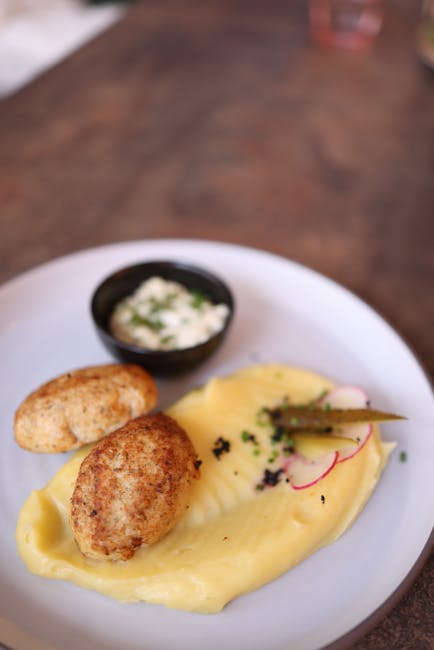
Meat substitutes made from peas, hemp and especially mycoprotein (fermented fungi) have gained ground. Stockholm-based startups now supply plant steaks and vegetarian meatballs (« köttbullar ») to local restaurants. Indicative restaurant price: main dishes featuring mycoprotein €18.00–26.00. Example: Vegan Butik Söder offers vegetarian meatballs to take home at €7.50 per 400 g. Restaurateurs pair these products with roasted vegetables and reduced vegetable broths to create rich textures and umami.
Ferments and no-waste — the return of old techniques
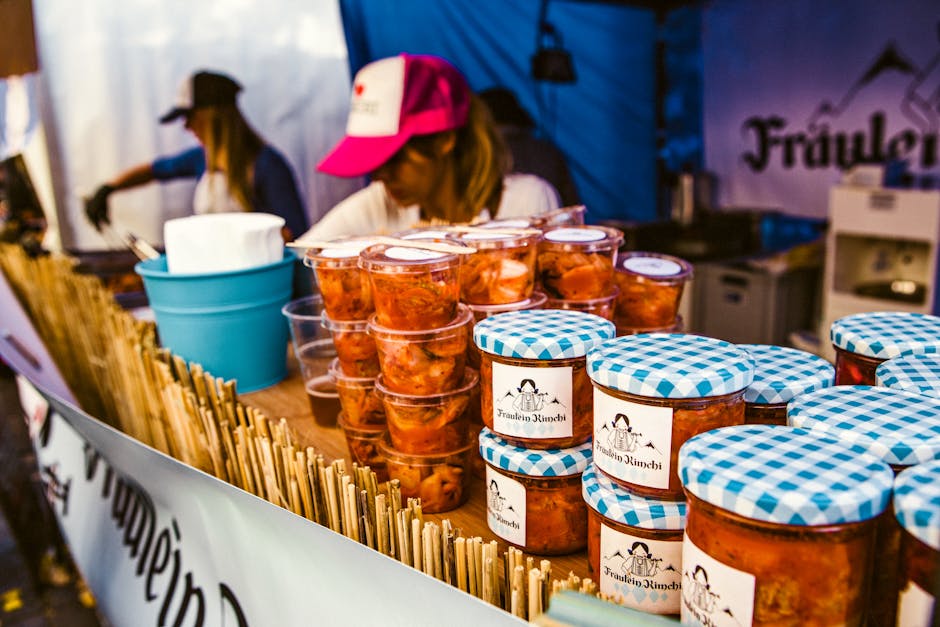
Fermentation is everywhere: fermented cabbages, lacto-fermented roots, homemade kombucha and local miso. Restaurants like Aloë Fermentation Lab (fictional but representative of such workshops) run classes and sell jars: Scandinavian kimchi €5.50 for 250 g. Chefs also use « drain reductions » — sauces and stocks made from peels and stems — to cut waste. Many venues proudly list their no-waste practices on menus, and some offer discounted « anti-waste » dishes (€8.00–12.00) made from the day’s unsold ingredients.
Sea plants and local seaweeds
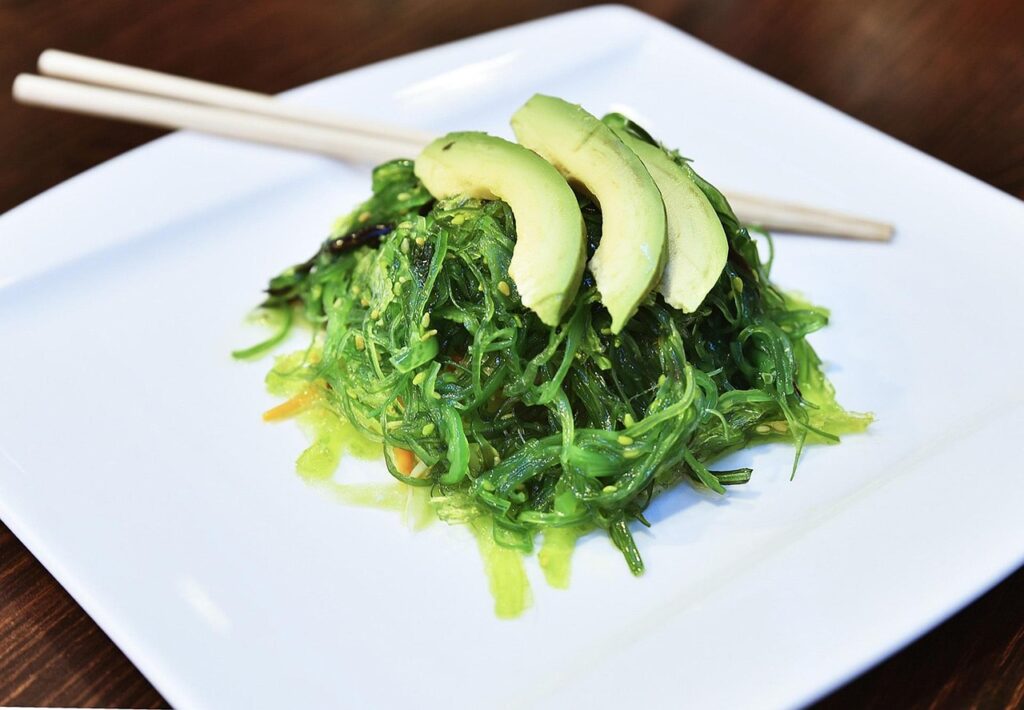
The use of seaweeds (dulse, locally grown wakame) is now common, appearing in broths, salads and crispy snacks. Saluhallen market now features micro-producers of freshwater seaweed. Retail prices: 30 g packet of dried seaweed €4.50–7.00. On plates, seaweeds add a briny note and depth that often replaces heavy seasoning.
Drinks and pairings — kombucha, mocktails and craft beers
Accompaniments like flavored kombuchas, fermented juices and creative mocktails dominate. Bars such as Tjoget (Erstagatan 21, 116 33 Stockholm) and independent cafés offer pairings designed to complement vegetarian dishes rich in umami. A bottle of artisanal kombucha at a bar or café costs about €5.00–7.00, while a signature mocktail runs around €10.00–13.00. Food/drink pairings are often crafted to highlight smoky, earthy or acidic notes in the food.
Local experiences and markets — where to buy and learn
Beyond restaurants, Stockholm offers numerous experiences to deepen your understanding of vegetarian food culture: markets, cooking workshops, pop-ups and urban farms. These places let you touch, taste and learn, and they’re essential to grasp the city’s food dynamics.
Östermalms Saluhall — historic market, modernized
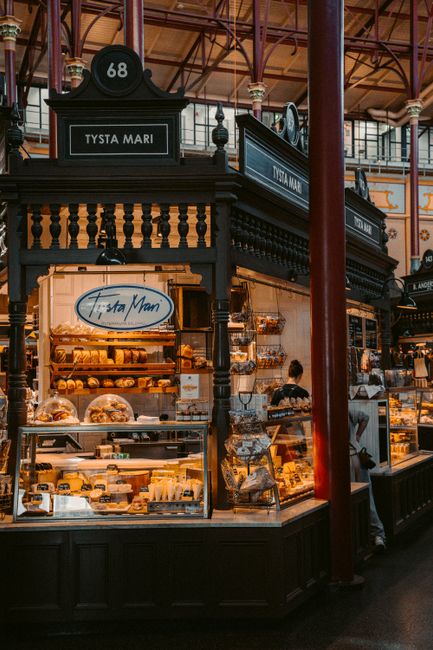
Östermalms Saluhall, Östermalmstorg 11, 114 39 Stockholm. Open Monday–Saturday 10:00–18:00, Sunday 11:00–17:00. Traditional stalls sit alongside modern vegetarian producers: plant-based cheeses, sourdough breads, and organic root vegetables. You’ll find a fermented foods stall selling jars of sauerkraut €5.00 for 300 g, and a plant-based cheesemonger offering 120 g portions at €6.50. The market is perfect for putting together a picnic to enjoy in Djurgården park.
Hornstull Marknad and street markets
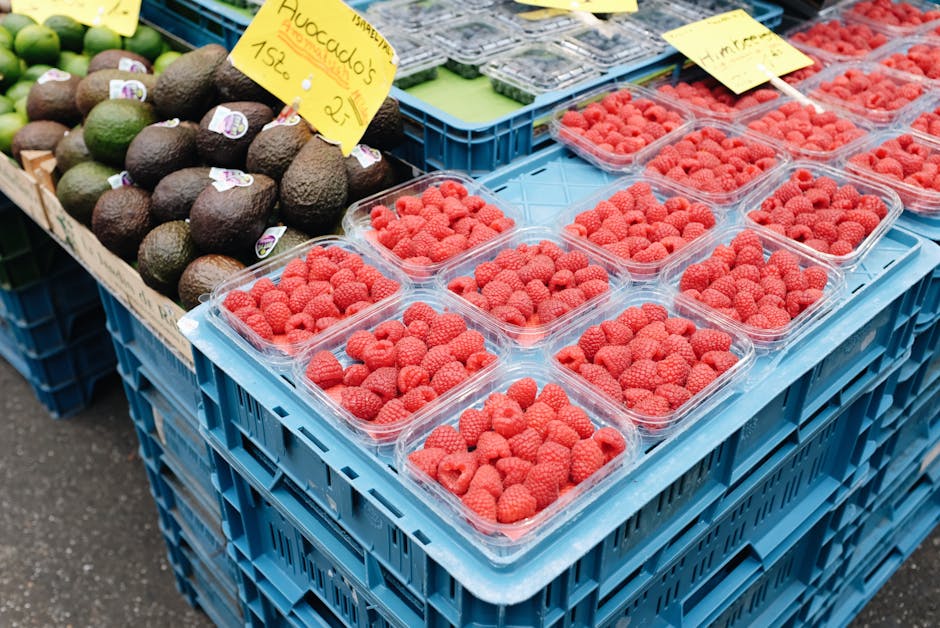
Hornstull Marknad (Hornstull strand, Södermalm). A makers and street food market open weekends from April to October, 11:00–18:00. Many stalls offer vegetarian bowls, mushroom tacos and animal-free pastries. Street food prices: €7.00–13.00. Tip: arrive mid-morning to beat the crowds and sample the first batches of rustic bread and locally made cloud bread pastries.
Workshops and urban farms
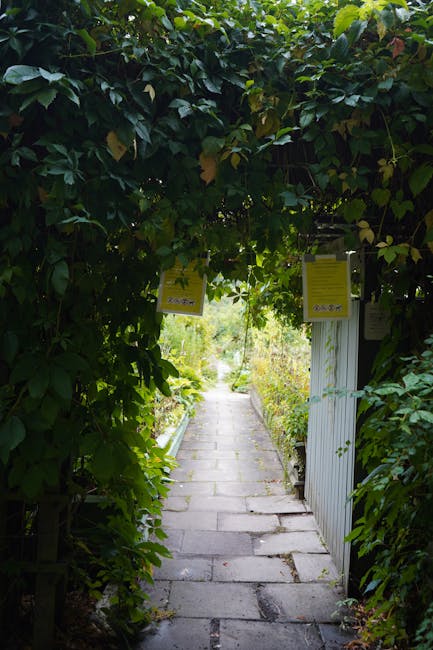
Initiatives like Urban Roots Stockholm (workshops across Södermalm and Norrmalm) run classes on fermentation, sourdough baking and seasonal plant-based cooking. Workshop prices: €30.00–75.00 per person depending on length and materials included. Educational farms on the outskirts (for example an organic farm in Järva) host visits and ingredient picking in season; guided tours cost about €12.00–18.00. These experiences are highly recommended if you want to take practical skills home with you.
Practical addresses, logistics tips and local recommendations
Visiting Stockholm and getting the most out of its vegetarian scene takes some planning: reservations, timing, and pairing meals with activities. Here are practical tips, extra addresses and local tricks to help you make the most of your culinary stay in 2026.
Additional useful addresses
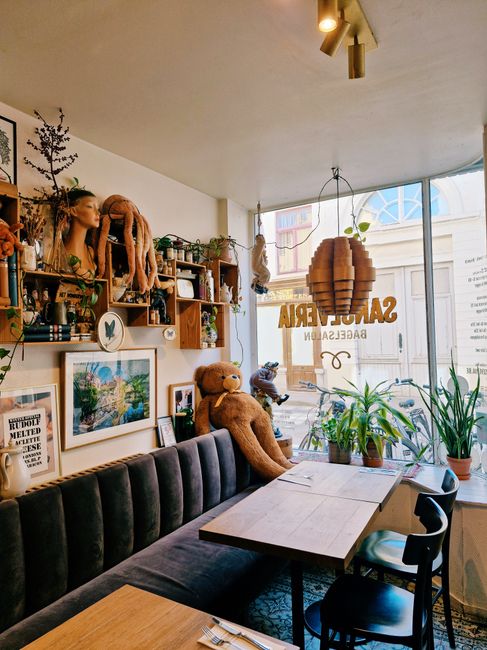
- Chutney (Vegan café), Götgatan 78, 118 30 Stockholm. Open 08:00–18:00. Dish prices €6.50–14.00.
- Pom & Flora (modern brunch, vegetarian options), Skånegatan 80, 116 37 Stockholm. Open 08:00–16:00. Brunch €12.00–24.00.
- Vurma (bakery-café, vegan options), Observatoriegatan 12, 113 46 Stockholm. Open 07:30–19:00. Pastries €3.50–6.50.
- Waynes Coffee (local chain, many vegetarian options), multiple downtown locations. A latte €3.20–4.50.
Local tips to save money and optimize visits
- Off-peak hours: for more attentive service and a calmer atmosphere, favor weekday lunches between 11:30 and 13:00, and early dinners around 17:30–19:00.
- Cards and transport: buy an SL card (public transport) to get around easily between neighborhoods. Many restaurants are a 10–20 minute walk from a central metro station.
- Lunch menus: many restaurants offer a lunchtime « Dagens rätt » at a lower price, often vegetarian or with a plant-based option (€12.00–16.00).
- Allergies and ingredients: restaurants are used to specific requests (nuts, soy, gluten). State allergies clearly in English or basic Swedish (« jag är allergisk mot … ») if needed.
Best time to visit
Although Stockholm is pleasant year-round, April to September brings outdoor markets, terraces and food festivals. In summer it’s easier to combine restaurants with archipelago walks. In winter vegetarian cuisine leans toward soups, stews and rustic dishes — perfect for lovers of Nordic comfort food.
Conclusion — Towards a deeply rooted vegetarian food culture in Stockholm
In 2026 Stockholm shows how a city can blend culinary tradition and innovation to make vegetarian food a core part of its identity. From starred restaurants reinventing plant-based tasting menus to modernized historic markets, local startups offering protein alternatives and fermentation workshops, the capital stands as an inspiring model for cities aiming to cut environmental impact while keeping culinary creativity high.
This guide has given you a curated list of places, hours, prices and local tips to move confidently between cafés, markets and restaurants. Follow these recommendations to enjoy panoramic buffets at Hermans, sustainable gastronomic platforms at Oaxen, cultural-edible experiences at Fotografiska, and participate in markets and workshops where knowledge and local products are exchanged. The 2026 trends — ferments, seaweeds, mycoprotein and no-waste approaches — offer many chances to discover new and memorable flavors.
For the mindful traveler, Stockholm offers more than a meal: it offers an immersion in a community committed to responsible food. Whether you’re here for a weekend or living in the city, let the local markets guide you, talk to chefs and producers, and don’t hesitate to join workshops to bring home practical skills. Ultimately, the vegetarian trend in Stockholm in 2026 is not a passing fad but a deep, durable and friendly movement — an invitation to rethink what it means to eat well, healthily and in harmony with the environment.