





Introduction: Stockholm Between Viking Saga and Scandinavian Elegance
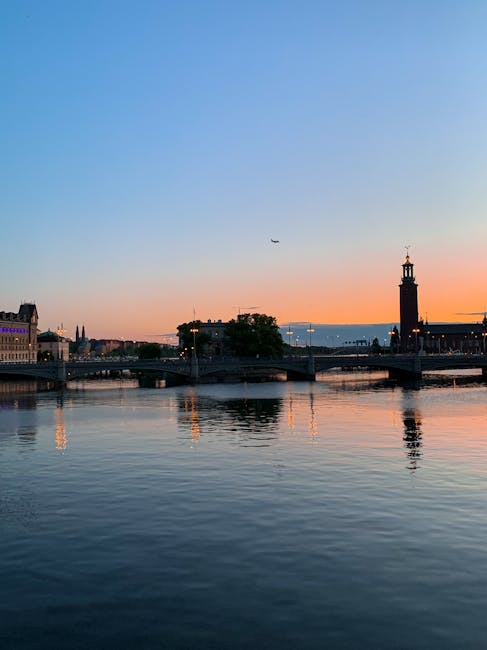
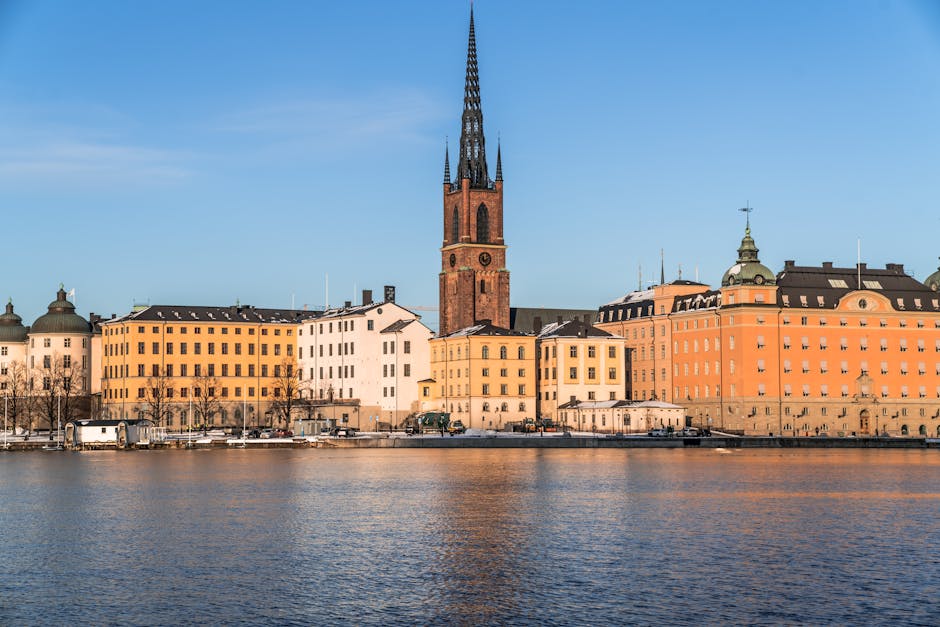
Stockholm, built across 14 islands linked by bridges and nestled between the Baltic Sea and inland lakes, is a city where ancient history and contemporary design live side by side with effortless grace. For travelers drawn to the Viking spirit and the refinement of Scandinavian design, Stockholm offers a museum route that pairs two very different registers — the maritime and martial power of the Viking and early-modern eras and the sleek functional beauty of modern Swedish design. With two well-planned days you can cross nearly a millennium of material culture, from ship hulls and ritual objects to iconic chairs and airy interiors.
This comprehensive guide lays out a 48-hour museum itinerary focused on must-see institutions: the Vasa Museum, the Swedish History Museum (Historiska Museet), the Nordic Museum (Nordiska Museet), ArkDes (the Swedish Centre for Architecture and Design), plus complementary stops like Skansen and the design workshop-shop Svenskt Tenn. Each stop includes exact addresses, opening hours, approximate prices in euros (based on current exchange rates), immersive descriptions of the collections, and practical tips to make the most of your visit (quiet times, audio guides, transport, on-site dining).
Before you dive into the itinerary, a few practical notes: Stockholm has an efficient public transport network (SL) — metro, trams, buses and ferries — and most museums are on Djurgården island or near the old town (Gamla Stan). Buy an SL card (24 or 72 hours) or a Stockholm Pass if you plan to visit many attractions. Swedish museums prioritize accessibility and documentation: expect clear labels, audio guides in English and Swedish, and well-designed cafés and shops where you can find quality souvenirs. Prices listed below are in euros for clarity; they’re approximate and can vary with exchange rates and discounts (students, seniors, children often free up to age 18).
This guide aims to be both practical and immersive: you’ll find sensory descriptions (light, materials, atmosphere), local tips (when to visit, how to dodge crowds), and suggestions for blending Viking history with Scandinavian design smoothly. Let’s set off on two days of discovery, between the wood of the longships and the polished oak of modern furniture, between the scent of pine and the northern light that elevates every exhibited object.
Day 1 — Morning: Vasa Museum and 17th-Century Naval Power
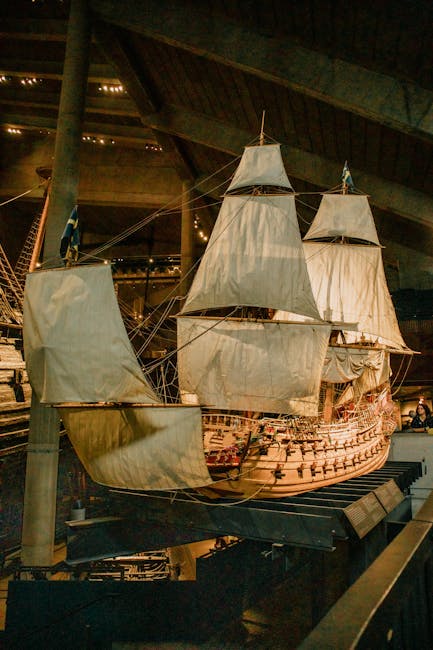
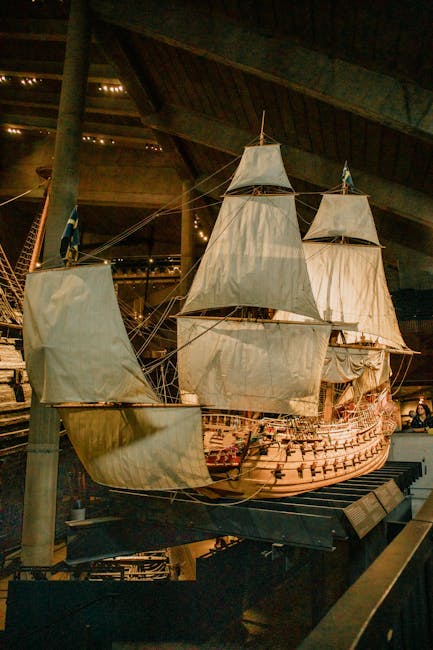
Start your historical journey at the Vasa Museum, one of Stockholm’s most famous institutions and an essential place for understanding Sweden’s maritime culture that traces back to earlier eras, including the Viking Age. The Vasa isn’t a Viking museum per se, but it vividly illustrates the continuity of Scandinavian naval and ornamental traditions. The building houses the wreck of the Vasa, a 17th-century royal warship raised from the harbor in 1961 — a spectacular testament to carpentry, carving and royal symbolism.
Practical information:
- Name: Vasa Museum (Vasamuseet)
- Address: Galärvarvsvägen 14, 115 21 Stockholm, Sweden
- Opening hours: typically 10:00–17:00 (hours extended in summer to 18:00 or 18:30). Check the official website before visiting.
- Price: around €15.50 (170 SEK) for an adult ticket; discounts for students/youth; free for children under 18.
- Recommended duration: 1.5 to 2.5 hours
Immersive description:
When you step into the main hall you’re immediately confronted by the monumental silhouette of the Vasa: a three-deck ship covered in polychrome carvings and symbolic motifs. The wood, darkened in places, carries a subtle scent of history. Walkways around the ship let you study details — mythological figures, animal heads, maritime patterns — echoing iconography familiar from the Viking Age but rendered in a baroque style. The displays include objects recovered from the wreck (utensils, textiles, weapons) and reconstructions of life aboard a warship, helping you imagine the technical continuity between Viking longships and these large early-modern vessels.
Local tips:
- Arrive at opening time to avoid the crowds, especially in high season (June–August).
- Buy tickets online to save time; the museum often has time-slot bookings.
- Don’t miss the audio guide (often included or inexpensive) — it gives a lively account of the sinking, recovery and conservation work.
- Visit the museum shop for detailed replicas and books on shipbuilding.
Day 1 — Afternoon: Skansen and Life in Pre-Industrial Sweden
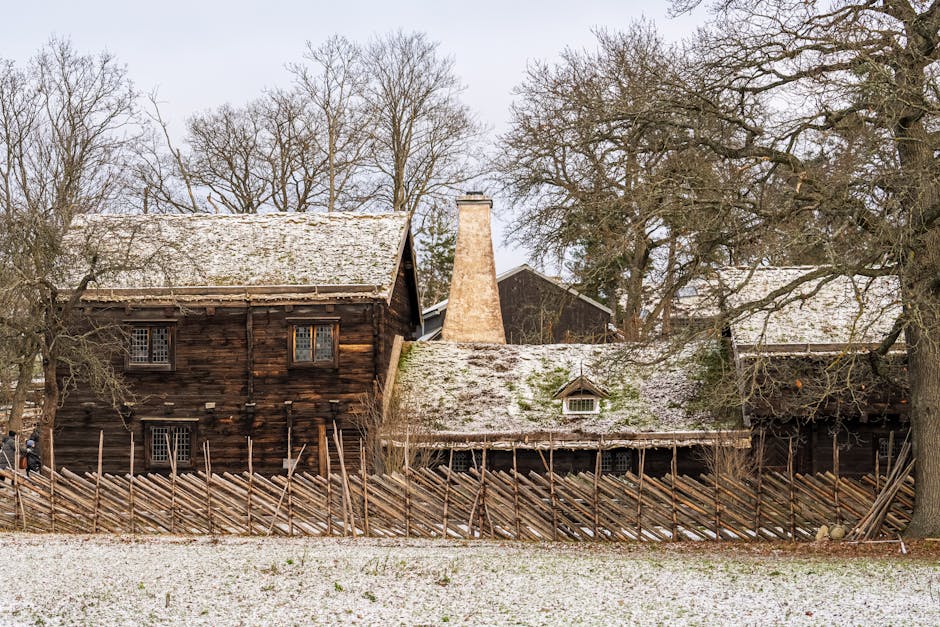
After the Vasa Museum, head to Skansen, the world’s first open-air museum and a heritage site that reconstructs Swedish ways of life across the centuries. Also located on Djurgården, Skansen makes an excellent counterpoint to the naval grandeur of the Vasa: here the focus is on rural houses, craft workshops, costumes and demonstrations of traditional trades. To understand the social and material roots that fueled Scandinavian creativity — including woodworking, textiles and craft skills — Skansen is indispensable.
Practical information:
- Name: Skansen
- Address: Djurgårdsslätten 49-51, 115 21 Stockholm, Sweden
- Opening hours: typically 10:00–16:00 in winter; extended hours in summer up to 18:00. Hours vary by season and events.
- Price: around €17.50 (195 SEK) for an adult ticket; discounts for seniors/students; child rates vary.
- Recommended duration: 2 to 3 hours
Immersive description:
Skansen sprawls across wooded hills with views over the city and water. You move from a Småland farmhouse to a Dalarna manor, stepping into fully reconstructed interiors — spices, wooden utensils, hand-woven textiles, cast-iron stoves. Craft demonstrations (blacksmithing, pottery, dyeing) let you appreciate the mastery of natural materials, the raw ingredients that would later be refined into the minimalist aesthetics of modern Scandinavian design. During your visit, listen to audio guides and chat with staff in period costumes — they often share local anecdotes and time-honored techniques.
Local tips:
- Wear comfortable shoes — the site is large and hilly.
- Check the schedule for demonstrations and folk concerts — they add depth to the experience.
- In summer, climb to the lookout point for panoramic views of Gamla Stan and the archipelago.
- Skansen has cafés and restaurants serving traditional Swedish dishes (prices vary, budget about €10–20 per person for a simple meal).
Day 2 — Morning: Swedish History Museum — Vikings, Warfare, Jewelry and Belief
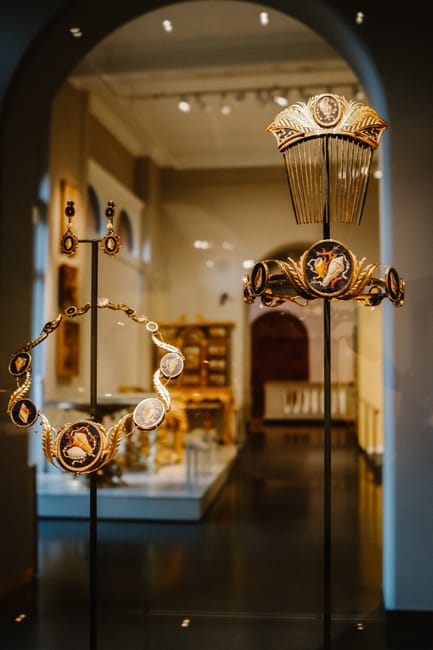
On day two, focused on Viking history, start at the Swedish History Museum (Historiska Museet), the country’s main museum of prehistory and ancient history. Its Viking section is rich and well-documented, showcasing exceptional objects: gold jewelry, weapons, runes, burial deposits and reconstructed graves. This museum helps you understand Viking social structure, trade networks and the symbolic richness of their material culture.
- Name: Swedish History Museum (Historiska Museet)
- Address: Narvavägen 13-17, 114 84 Stockholm, Sweden
- Opening hours: typically 11:00–17:00; closed on some public holidays. Check before visiting.
- Price: permanent collection is often free (national museum); temporary exhibitions may cost around €8–12 (80–120 SEK).
- Recommended duration: 1.5 to 2 hours
Immersive description:
The Viking gallery at Historiska displays artifacts of exquisite craft: gold torcs, filigree bracelets, decorated swords and relics from smaller boats. The museum presents these items in well-lit cases, with maps of trading routes and ship models. You’ll see that Vikings were not only warriors but also traders, artisans and explorers — a network stretching from Constantinople to Iceland and Greenland. Explanatory panels cover burial rites, the role of women, rune symbolism and how trade spread styles and techniques.
Local tips:
- Take advantage of free guided tours or lectures when they’re available — they often dive deeper into specific objects.
- If the permanent collection is free, consider spending a bit on temporary paid exhibitions — they sometimes feature treasures loaned from other European museums.
- The museum shop sells reproductions of Viking jewelry, books and educational games — great for understanding motif design.
Day 2 — Afternoon: Nordic Museum and ArkDes — From Popular Heritage to Contemporary Design
The afternoon is dedicated to the transition from material heritage to contemporary design expression. Start at the Nordic Museum (Nordiska Museet) and finish at ArkDes (the Swedish Centre for Architecture and Design) for an immersion in modern and contemporary Scandinavian design.
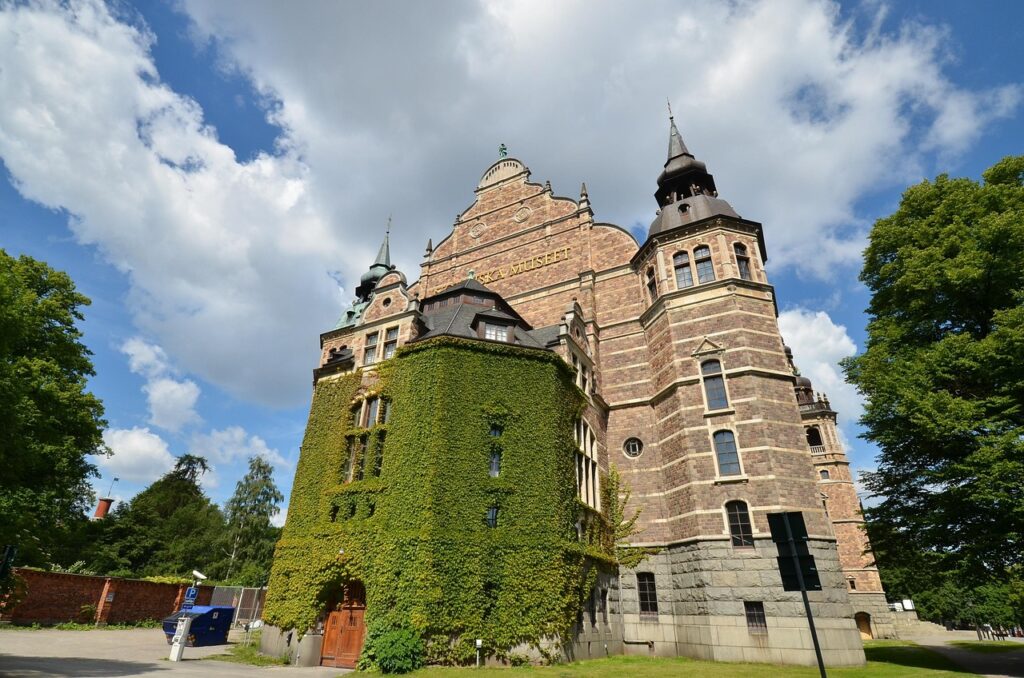
- Name: Nordic Museum (Nordiska Museet)
- Address: Djurgårdsvägen 6, 115 93 Stockholm, Sweden
- Opening hours: typically 10:00–17:00; extended hours depending on season.
- Price: around €11 (120 SEK) for an adult ticket; discounts for youth and seniors.
- Recommended duration: 1.5 to 2 hours
Immersive description — Nordic Museum:
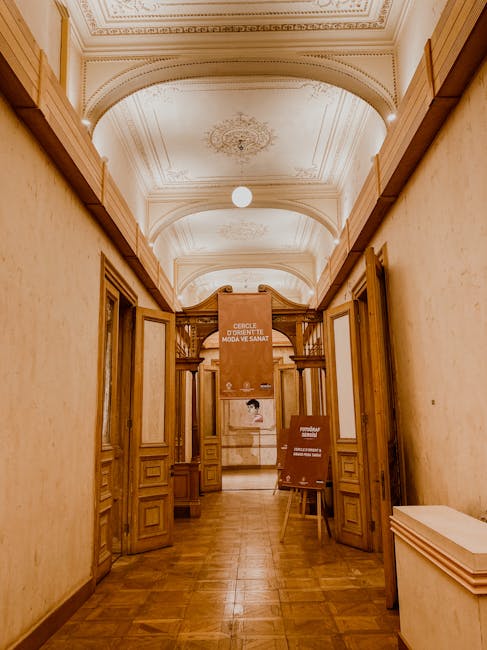
The Nordic Museum traces the evolution of Scandinavian living and taste, from bourgeois interiors of the 19th century to 20th-century kitchens and household objects. You’ll see how functional simplicity and a focus on natural materials (wood, wool, linen) gradually turned into an aesthetic language that inspires today’s designers. Reconstructed apartments highlight ergonomics, light and the importance of honest forms geared to use — principles that define Scandinavian design.
Local tips:
- Visit the furniture and textiles sections to spot early examples of “modern” Swedish pieces.
- The Nordic Museum shop features items by current designers; it’s a perfect place to find an authentic design souvenir.
- Name: ArkDes (Swedish Centre for Architecture and Design)
- Address: Skeppsholmen 2, 111 49 Stockholm, Sweden
- Opening hours: typically 11:00–17:00; some evenings for students or special events.
- Price: permanent collection is often free; temporary exhibitions €8–15 (80–150 SEK) depending on the program.
- Recommended duration: 1 to 2 hours
Immersive description — ArkDes:
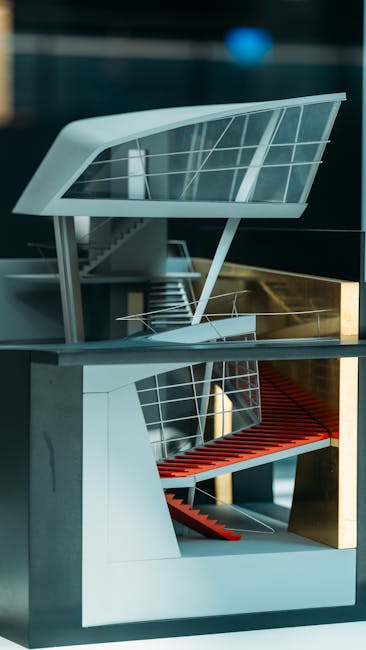
ArkDes offers a critical and forward-looking perspective on design and architecture. Temporary shows present furniture projects, urban planning proposals, eco-design and international collaborations. You’ll see furniture prototypes, sketches by renowned Scandinavian architects, posters and multimedia installations. The building itself, on Skeppsholmen island, provides lovely views over the harbor and invites reflection on the relationship between public space, design and natural light — core elements of Nordic design.
Local tips:
- Check the online program for temporary exhibitions — some include workshops or English-language talks.
- After your visit, stroll around Skeppsholmen for photo-worthy views of the city center and sea.
- If you’re into design shopping, finish with a visit to Svenskt Tenn (Strandvägen 5, 114 51 Stockholm) — the emblematic shop founded by Estrid Ericson, famous for its fabrics and iconic furniture (free entry).
Practical Route, Logistics and Tips to Make the Most of Two Days
To get the most out of this two-day itinerary, here’s a practical schedule, transport tips and recommendations for accommodation and dining.
Recommended schedule:
- Day 1: 09:45 arrive on Djurgården → 10:00–12:30 Vasa Museum → 12:30–13:30 lunch at the Vasa café or by the waterfront (budget €12–20) → 14:00–17:00 Skansen (demonstrations and stroll) → evening free in Östermalm or Gamla Stan.
- Day 2: 10:30–12:30 Swedish History Museum → 12:30–13:30 lunch in Östermalm (excellent delis and cafés, €10–20) → 14:00–15:30 Nordic Museum → 16:00–17:30 ArkDes → late afternoon and design shopping at Svenskt Tenn if time allows.
Transport:
- Use an SL card (24-hour tickets around €13 / 72-hour around €29; prices vary). Ferries and trams serve Djurgården; most museums are within walking distance from the “Djurgården” stop.
- Taxis are convenient but pricey if short on time; local apps: Taxi Stockholm, Bolt or Uber.
Accommodation:
- Aim for a hotel or apartment in Norrmalm, Östermalm or Gamla Stan for quick access to museums and transport. Rates vary by season (expect €100–250 per night for a 3–4 star central hotel).
- If you want a design-focused stay, some boutique hotels in Östermalm feature contemporary Swedish furniture in their rooms.
Indicative budget (per person, excluding accommodation):
- Museum entries (Vasa + Skansen + Nordic + Swedish History + ArkDes temporary shows): around €50–70.
- Meals: €40–80 over two days depending on choices (cafés, sit-down lunches, light dinners).
- Transport: €13–29 depending on the length of your SL pass.
Final tips:
- Take photos, but follow each museum’s rules (some displays prohibit flash).
- Appreciate the northern light: interiors and natural materials reveal a lot under daylight.
- If you have specific interests (e.g. Viking textiles, metalwork, 20th-century furniture), note them in advance so you can ask curators or staff for detailed information.
Conclusion: What to Take Away from These Two Days — Continuity and Renewal
These two days in Stockholm offer a compact but coherent journey: from the monumental presence of the Vasa, reflecting a maritime power that echoes back to the age of longships, to the precious displays at the Swedish History Museum that reveal Viking life, beliefs and craftsmanship. You’ll also see how natural materials and popular craft, highlighted at Skansen and the Nordic Museum, fed Sweden’s material culture and sowed the seeds for a design language known for warm minimalism and practical beauty. ArkDes, meanwhile, invites you to look forward — the ideas, prototypes and architectures on show demonstrate how Scandinavian tradition continually reinvents itself at the intersection of sustainability, utility and aesthetics.
The key addresses — Vasa Museum (Galärvarvsvägen 14), Skansen (Djurgårdsslätten 49-51), Swedish History Museum (Narvavägen 13-17), Nordic Museum (Djurgårdsvägen 6) and ArkDes (Skeppsholmen 2) — form a convenient arc around Djurgården and its surroundings, easy to reach and delightful to explore. Prices in euros help you anticipate costs, but remember many Swedish museums offer free entry to parts of their permanent collections or significant discounts, so check official sites before you go.
Finally, don’t forget that travel is sensory as much as intellectual: admire the carved details on the Vasa, hear the wind over Skansen’s roofs, feel textile fibers in recreated interiors and, where allowed, touch the well-crafted surfaces of modern design. Two days won’t replace weeks of study, but they’ll give you a vivid, memorable map of how one culture can combine a warrior past with an aesthetic focused on everyday life. Stockholm — a city of islands and light — is an ideal destination for anyone wanting to link distant history and contemporary design in a short, rich itinerary.