





Introduction — Why an all-in-one pass changes the game in Stockholm
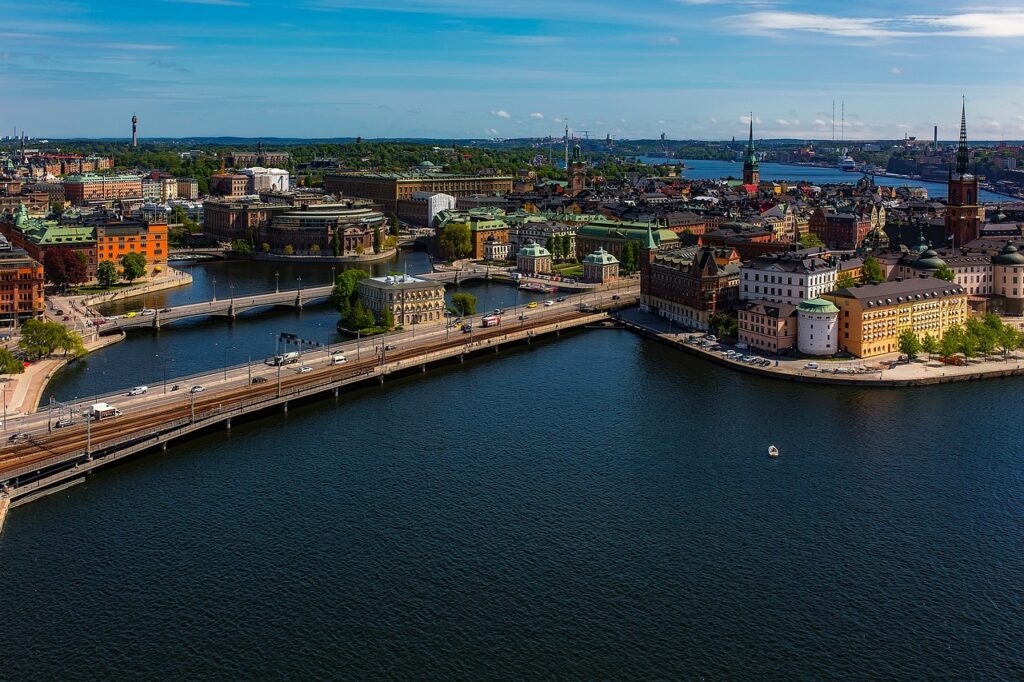
Stockholm is spread across 14 islands and overflowing with museums, historic palaces, modern attractions and stunning urban scenery. One of the key decisions during a trip is whether to buy pay-as-you-go tickets for each attraction or to choose an all-in-one pass. In this detailed, practical guide I’ll explain why, for most visitors, an all-in-one pass is usually the most convenient, cost-effective and stress-free option. You’ll find concrete examples — museums, landmark sites, island cruises — with exact addresses, prices in euros, typical opening hours and local tips to help you plan efficiently.
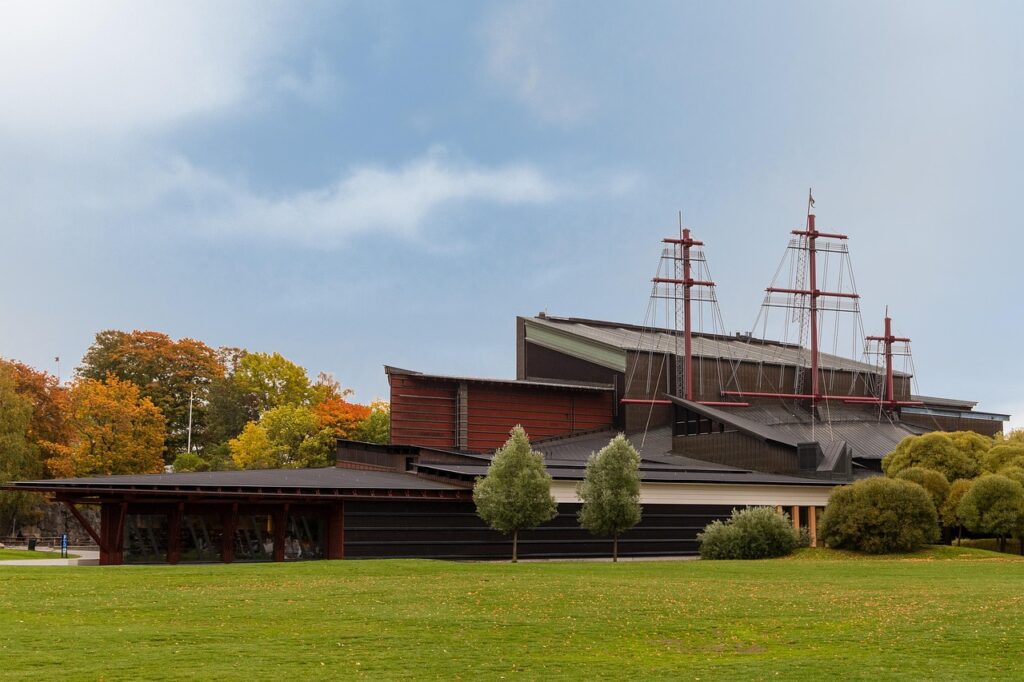
Picture a morning spent admiring the Vasa, an afternoon at Skansen, and a sunset cruise around the archipelago. Buying separate tickets means queuing at each box office or juggling a dozen email confirmations. An all-in-one pass centralizes access, removes much of the logistics, and lets you decide on the fly without worrying about the cost of every entry. For time-pressed travelers or anyone who wants to “see a lot” in a short period, a pass turns a string of small, annoying decisions into a smooth, enjoyable experience.
This guide breaks down, with clear sections and specific locations — Vasa Museum (Djurgårdsvägen 6, 115 21 Stockholm), Skansen (Djurgårdsslätten 49-51, 115 21), Royal Palace (Slottsbacken 1, 111 30 Stockholm), Fotografiska (Stadsgårdshamnen 22, 116 45 Stockholm), ABBA The Museum (Djurgårdsvägen 68, 115 21 Stockholm) — why a pass is often the smarter choice. I’ll list ticket prices in euros and pass prices (note these can change), usual opening hours, immersive descriptions and local tips to make your visit more efficient and authentic.
I won’t ignore the counterpoints: if you’re staying a long time in Stockholm, have a few very specific interests, or prefer a slow, leisurely pace, buying single tickets can still make sense. However, the financial and logistical balance usually tips in favor of a pass if you plan to visit at least three or four paid sites per day over a 1–3 day period. Read on for calculations, real-world scenarios, practical tips to skip queues, transport info (SL tickets vs pass) and local recommendations to save time and money.

Money and value: how much you can actually save
The first reason to choose an all-in-one pass is the direct savings. Let’s look at concrete examples in euros (rounded and subject to seasonal changes and promotions):
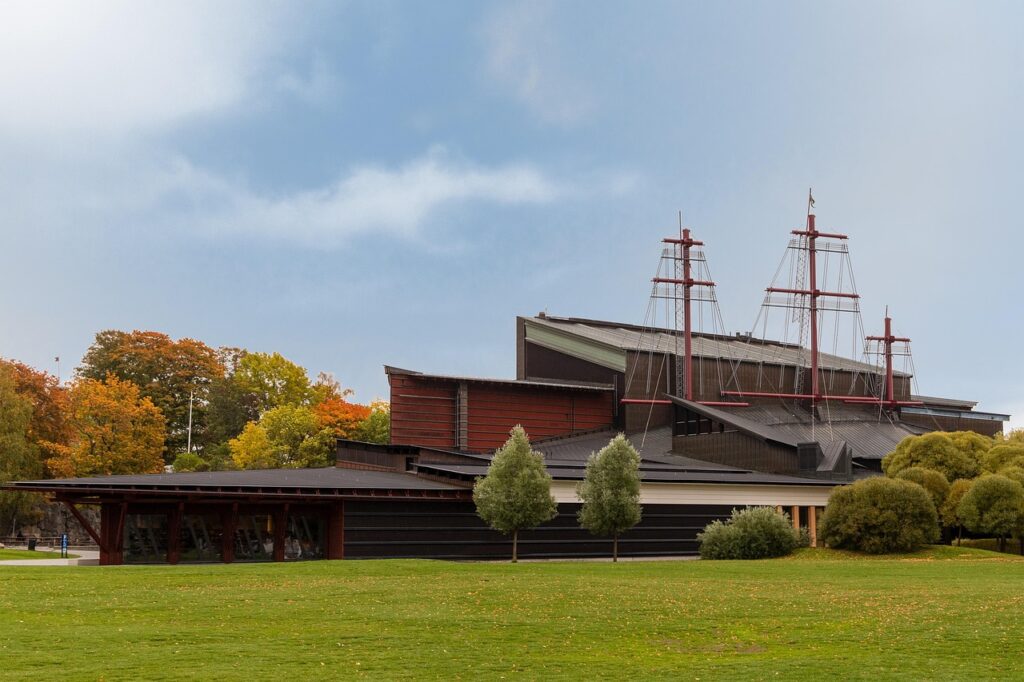
- Vasa Museum — Djurgårdsvägen 6, 115 21 Stockholm. Adult price about €18 (180 SEK). Typical hours: 10:00–17:00.
- Skansen (open-air museum and zoo) — Djurgårdsslätten 49-51, 115 21 Stockholm. Adult price about €19 (190 SEK). Typical hours: 10:00–16:00 (later in high season).
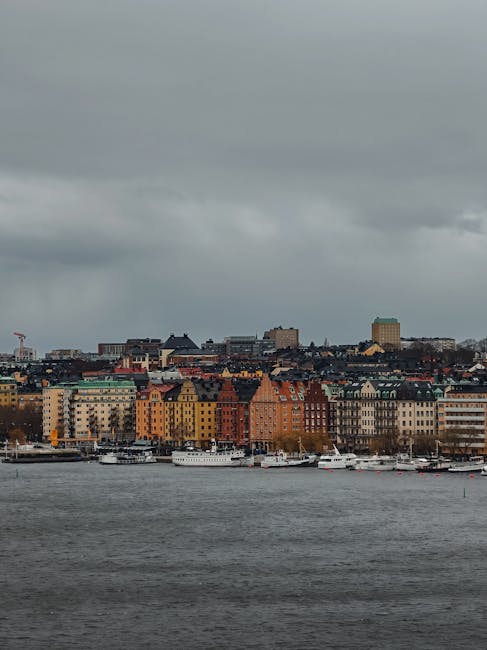
- Fotografiska — Stadsgårdshamnen 22, 116 45 Stockholm. Adult price about €16 (160 SEK). Typical hours: 09:00–23:00.
- ABBA The Museum — Djurgårdsvägen 68, 115 21 Stockholm. Adult price about €20 (200 SEK). Typical hours: 11:00–17:00.
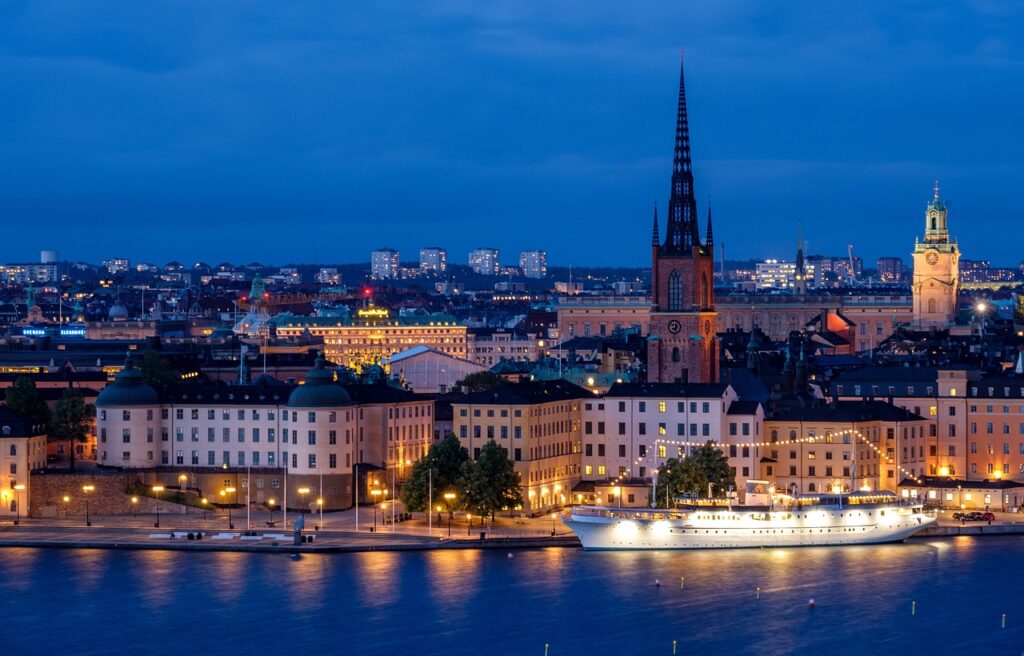
- Royal Palace (museums) — Slottsbacken 1, 111 30 Stockholm. Adult price about €15 (150 SEK). Typical hours: 10:00–16:00 (closing times vary).
A pass like the Stockholm Pass (Go City or local variants) typically includes free or unlimited entry to the majority of these sites and sometimes extras like an archipelago cruise, a hop-on/hop-off bus and audio guides. Example indicative prices for 2024 (subject to change):
- Stockholm Pass 1 day adult: about €65
- Stockholm Pass 2 days adult: about €95
- Stockholm Pass 3 days adult: about €125
If you add up individual prices for three major sites (Vasa €18 + Skansen €19 + Fotografiska €16 = €53), a €65 one-day pass might look slightly more expensive, but it often includes a panoramic cruise (~€20) and the tourist bus (~€30) — together these extras already exceed the pass price. In practice, by visiting four to five pass-included attractions in one to two days you’ll often save 20–50% compared to buying individual tickets.
Another important point: family and child discounts. Many passes offer child rates (often free or reduced up to around 15 years old), whereas buying separate tickets for several children can quickly add up. Some passes also include discounts at partner restaurants or experiences like Gröna Lund (Lilla Allmänna Gränd 9, 115 21 Stockholm) — useful if you plan a full day of activities.
Logistics and time savings: queues, ticket offices and transport
Beyond financial savings, the real advantage of an all-in-one pass is time and simplified logistics. Stockholm can feel calm but gets very busy in high season (June–August) and on weekends. Queuing for every attraction can cost you hours. With a pass you get:
- priority entry at certain sites (dedicated queue or reserved entrance),
- a single digital ticketing system (one app or one QR code),
- bundled extras like a hop-on/hop-off bus to avoid juggling bus and ferry connections.
Let’s talk transport: the public SL system sells single tickets and day passes. Example fares (indicative):
- Single journey (75 minutes): 39 SEK ≈ €3.4
- 24-hour travelcard: 165 SEK ≈ €14.5
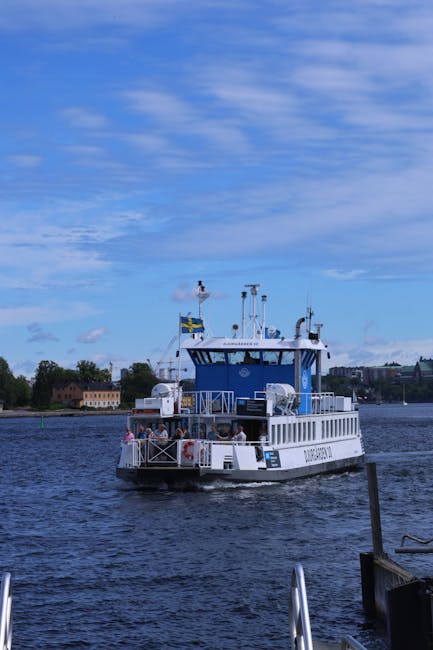
If you choose a pass that includes transport or the tourist bus, you avoid buying SL tickets separately and gain flexibility. Getting to Djurgården (home to Vasa Museum, ABBA The Museum, Skansen) from Gamla Stan can mean taking a ferry or bus. A pass that covers the shuttle ferry or approach cruise saves time and adds comfort, especially with luggage or children.
Local tip: arrive early at the Vasa Museum (usually opens at 10:00) to beat the crowds, or book your pass with a skip-the-line option if one is available. For the Royal Palace, check the changing-of-the-guard schedule (often around 12:15 on certain days): the ceremony draws crowds and increases entry lines. Also, store the pass QR code on your main device (not only in email) to avoid connectivity headaches.
Local experiences, rare inclusions and access to hidden gems
The third major advantage of an all-in-one pass is access to experiences that are often overlooked or expensive if booked separately. Many passes include themed walking tours, archipelago cruises, concerts or temporary exhibitions that aren’t always easy to book on their own. For example:
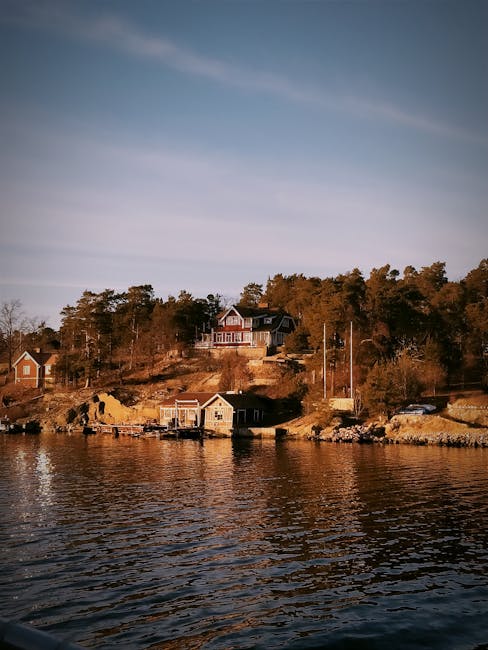
- Archipelago cruise often included: duration 50–75 minutes, boarding often at Strömkajen near Vasagatan. Individual price roughly €18–€25.
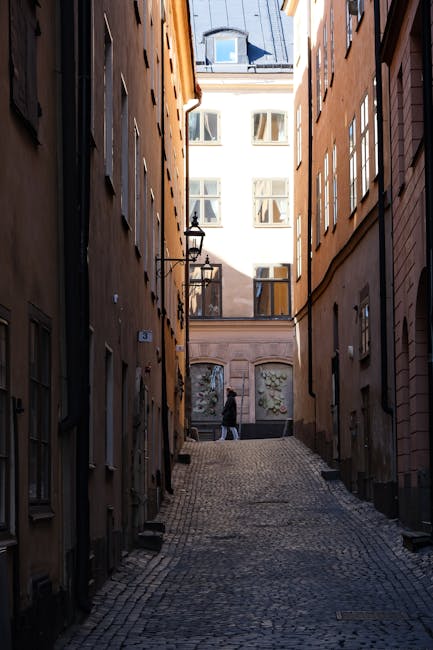
- Guided tours of Gamla Stan (old town): often included or discounted for pass holders. Individual price roughly €12–€20.
- Entry to temporary exhibitions at Fotografiska (Stadsgårdshamnen 22): sometimes included, otherwise an extra ~€5–€10.
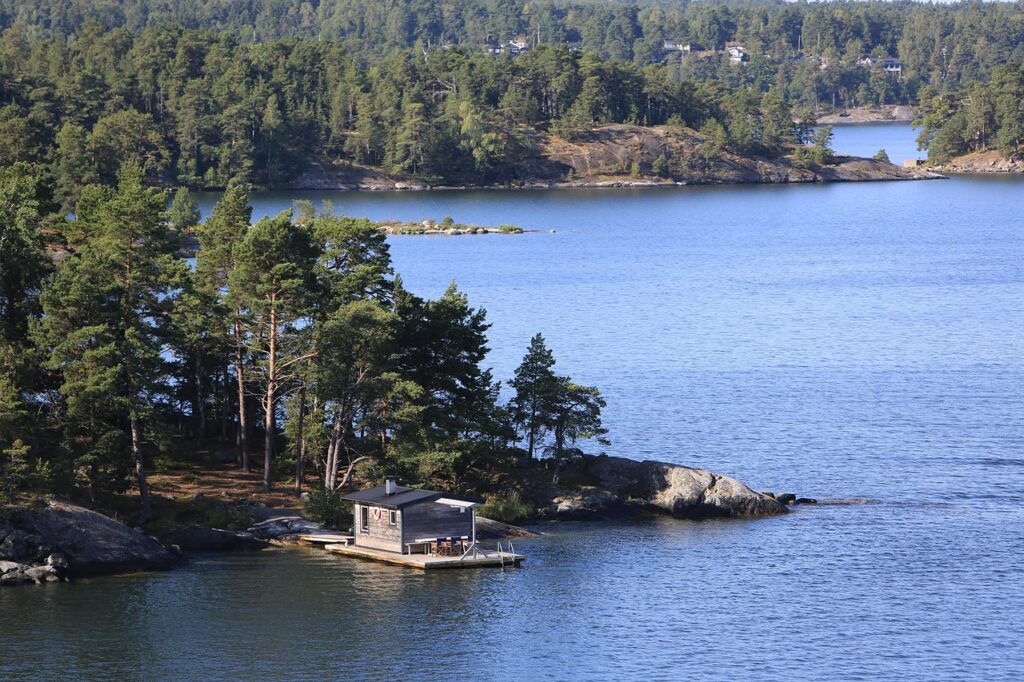
Less obvious but valuable attractions can turn up in a pass offering: secondary palaces, small galleries, neighborhood museums and sites that are otherwise closed to casual visitors. That allows curious travelers to discover parts of Stockholm they might miss if they stick to a tight list of individual tickets. Passes also frequently include practical perks: discounts at restaurants, cafes, bike rentals or partner museums — more savings and conveniences to consider.
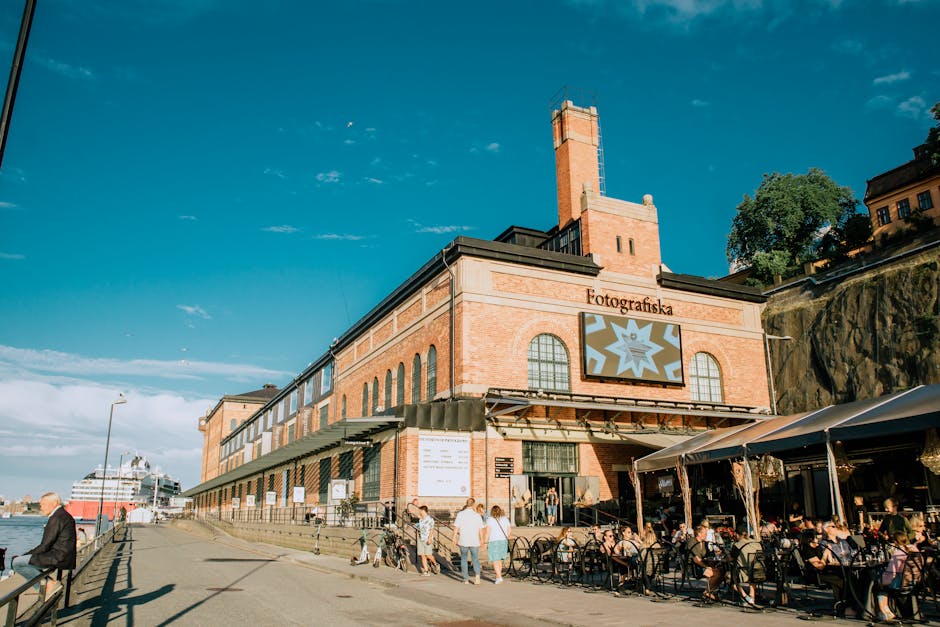
Local tip: use the early opening hours for indoor museums (Vasa, ABBA The Museum) and save Fotografiska for late afternoon or evening (it’s often open until 23:00). The cafe terrace there offers one of the best sunset views over the city and water. If your pass includes a cruise, try to take it later in the day for better light and more rewarding photo opportunities.
Flexibility and peace of mind: travel without micromanaging
Finally, the intangible value of an all-in-one pass is peace of mind. Stockholm is a city of changing moods: you might decide on the fly to change plans, stay longer in a museum or add an impromptu cruise. A pass allows that freedom without adding unexpected costs at every turn. You avoid the stress of repeated purchases, non-refundable tickets and a clutter of credit card charges.
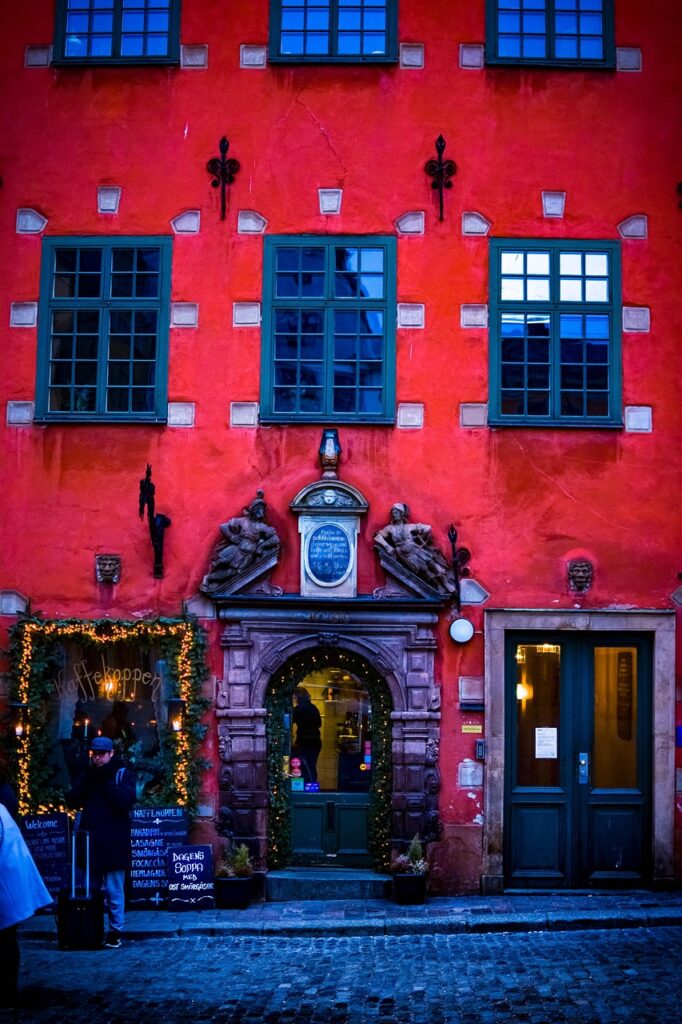
For families the math is usually straightforward: one centralized purchase, an app that stores everything and free or reduced entries for kids make days flow much more smoothly. For business travelers or weekend visitors, a 1–2 day option is perfect for maximizing sites without wasting time. For photographers, unlimited access means returning at different times of day for different light without paying again.
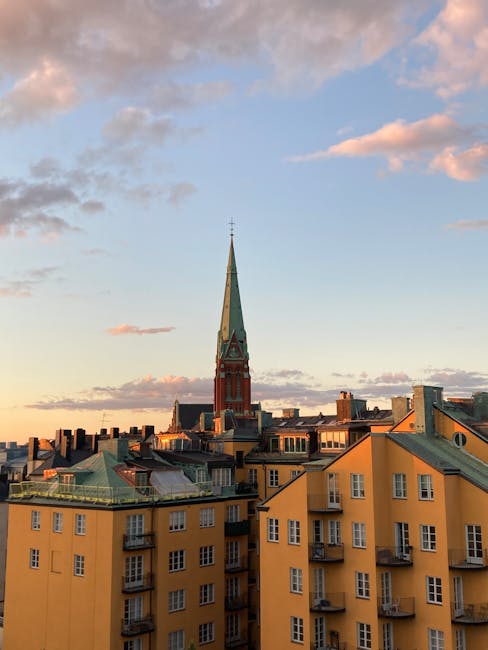
Local tip: before buying, check the pass’s full inclusion list (sites, ferries, tours) and compare it to your planned itinerary. If you see 3–5 major attractions included, the pass is usually worth it. Also, download the pass’s official app, save the QR codes offline and check site hours (some close earlier off-season) to get the most out of your days.
Conclusion — A pragmatic choice for most Stockholm stays
In short, choosing an all-in-one pass in Stockholm is often the most practical, economical and flexible option for most visitors. It delivers real financial benefits if you plan to visit more than three paid attractions in 1–2 days, simplifies logistics by centralizing tickets, and opens access to included or discounted experiences (cruises, guided tours, exhibitions). For families it reduces complexity; for busy travelers it maximizes exploration time instead of queuing; for the curious it reveals lesser-known places.
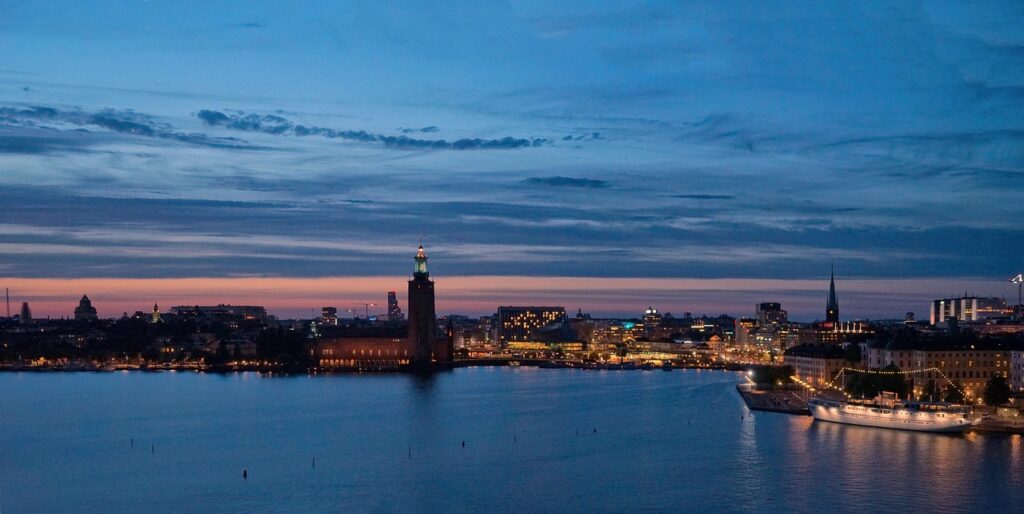
That said, it’s not a cure-all: if you’re staying for several weeks or have very narrow interests (for example only photography or design), then buying individual tickets and a 24/72h SL transport pass may be the smarter option. Always check exact inclusions, terms of use and validity dates before you buy. If in doubt, total the cost of single tickets for your planned route and compare it to the pass price — remember to factor in the value of time saved.
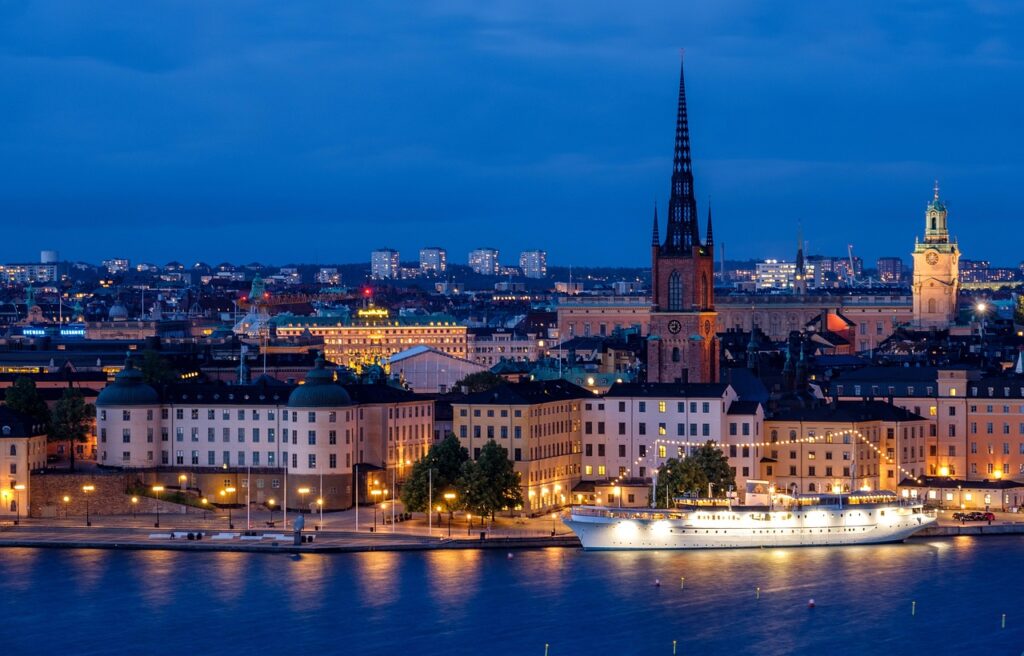
Final practical tips: buy your pass online (often cheaper and you’ll avoid the ticket office), keep an offline copy of your QR code, start early to enjoy quieter hours and use included transport to explore the archipelago without stress. With these precautions, an all-in-one pass will become one of your best allies for getting the most out of Stockholm — its museums, islands, palaces and panoramas — without getting bogged down in the micromanagement of individual tickets.